Expert Advice

Best Shoes for Kids With Sensory Sensitivities: Comfort That Helps

May 13, 2026

Today's kicks are comfier than ever before—you might not know that brands like Nike and adidas are dropping sensory shoes in mouthwatering designs weekly. With an accessible website and tons of designs with comfort-first features, both kids and parents are finding winners at Hibbett.

Knowing what to look for and a few of the best shoes for kids with sensory issues can make all the difference when shopping for features like easier entry, washability, laceless options and a roomier fit. Let's take a look at some of the features you'll want to look for when shopping for sensory-friendly shoes for kids. 

Crocs

Easy Entry and Stress-Free Closures for Quick Transitions

Shoes for kids with sensory issues​ often use Velcro or other lace alternatives for security. Some kids may find the tight fit and rough textures of shoelaces uncomfortable. Many brands are making moves to meet sensory-friendly, adaptive footwear needs, styling some classic kicks with re-designed fits for easier wear.

Some popular options for sensory-friendly wear include: 


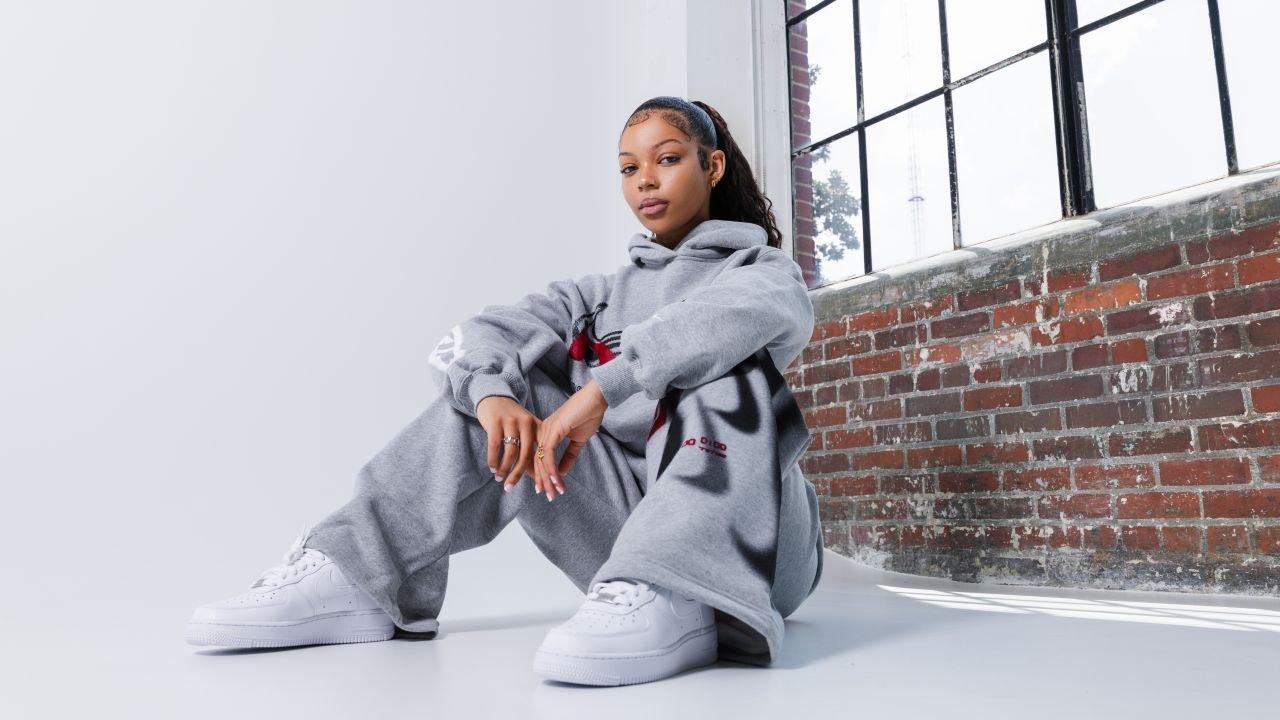
  • FlyEase: Nike’s FlyEase line is built for seamless comfort, with slip-on designs that cut the rigidity of lacing. This is one of Nike's most popular adaptive footwear styles. Some designs, like the Air Force 1 Low EasyOns, close with Velcro but mimic the look of laced kicks for a classic design. 
  • ComfyCush: The Vans ComfyCush collection is a versatile lifestyle superstar, with a slip-on style and extra padding that keeps feet in place without restrictive closures. They also come in a ton of iconic designs, including the black-and-white checkerboard pattern that was extremely well-loved in the '00s. 
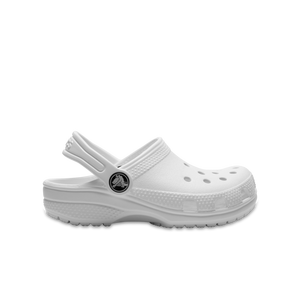
  • Crocs: It's impossible to talk "comfy" without talking "Crocs." With ultra-soft cushioning and an extra-easy slip-on design, Crocs are a favorite of both kids and adults with sensory issues. Crocs even makes an adaptive version with a Velcro back-tab, which stays put in place during all-day play.

The bottom line? When shopping for shoes, prioritize not only fit but the feel and function that meet your kid's needs. 

Breathable Materials and Wide Fits That Reduce Irritation

Materials can be as important as closures when for kids with autism or other sensory needs. Consider a shoe with a lightweight mesh upper for more breathability. Soft materials like mesh allow sweat to evaporate and cool the foot effectively, which makes the design more comfortable for all-day wear. 


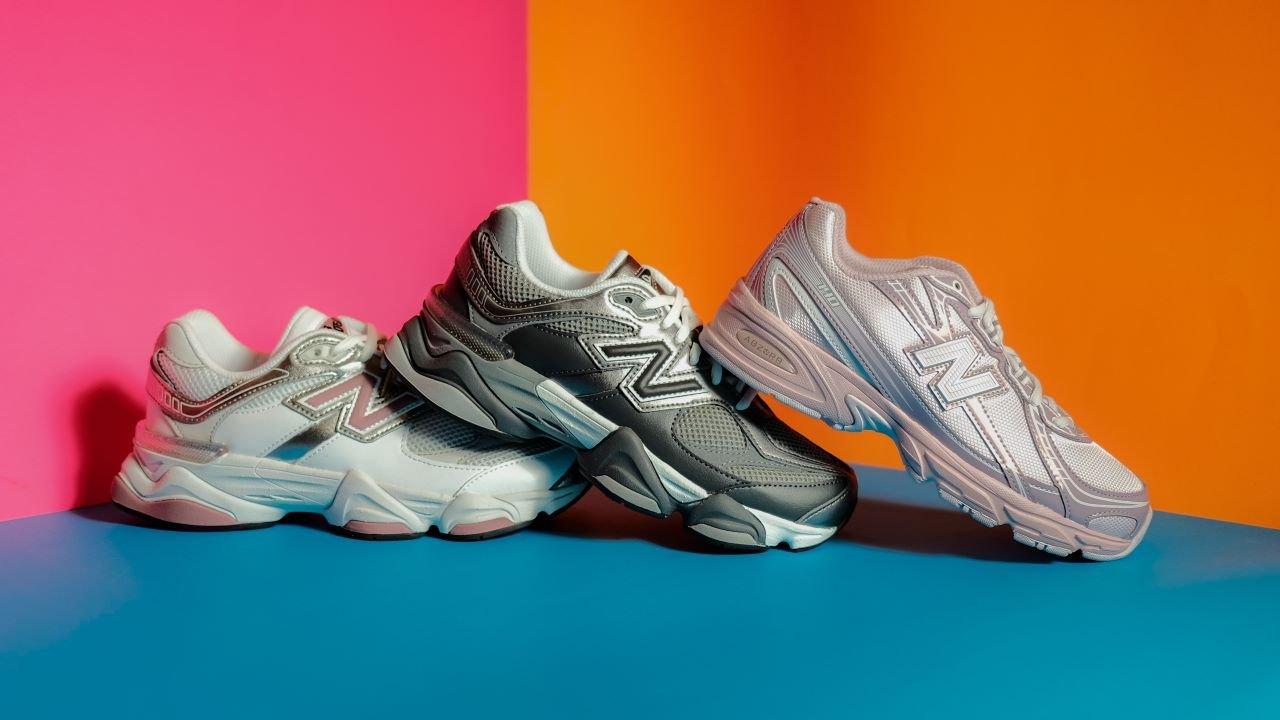
As you shop, look for designs with a wide toe box, which gives toes plenty of room for toes to spread out instead of feeling squeezed or restricted. Designs with minimal seams have long been a sensory-friendly favorite, with the fewer seams creating less rubbing and friction. If you're shopping for a kid who loves a lightweight design, try a pair of New Balance kicks—these shoes are known for using engineered mesh and minimal seams for a "barely there" feel on the foot.


Flexible soles are a great feature for kids who love that barefoot feeling and want shoes that move with them like a second skin. Shoes with flexible soles cut the heavy sensation of stiffer shoes, so kids can run and play without fighting against their footwear. 


If your child prefers to rock sockless kicks, consider choosing shoes designed to be worn that way. Picks like Crocs keep your kid's feet safe and secure without excess lockdown or rubbing, and they're also easy to clean. Look for easily washable shoes and materials that hold up easily to washing and drying to fight the no-socks funk. 

Get the Right Shoes

The latest sneaker releases combine breathable materials with cutting-edge designs that are getting a lot of attention on social media. Shop for the right shoes this spring season and explore upcoming releases with Hibbett Kids today. 

Shop the Story