Sep 16, 2026
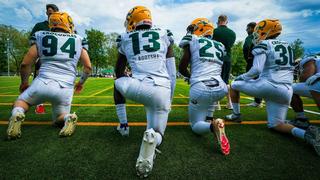
Learn how football cleats should fit for maximum comfort, speed and support. Get football cleat sizing tips for every position, wide feet and youth players.
Quality, well-maintained football equipment that fits properly keeps players ready for practice and game day. The football side of the sporting goods range brings together gear built around the game, for you or your children. No matter your position, or your standing as a super fan, the right gear gets you ready for football season.
Football cleats, football gloves, football helmets and protective gear form the core of the selection. Beyond cleats and a helmet, these items round out the kit for the sidelines, practice and game day:
Footballs and practice goals round out your supplies for the season. Spectators are covered too: if you are cheering on a flag footballer or a high school superstar, the range also includes fan gear such as a replica jersey, plus stadium seating.
A few decisions narrow down what you need before the first practice, and players who also suit up in soccer gear or baseball gear should plan a separate pair of cleats for each sport, since each one builds its cleats for different moves.
Fit is the first job of every piece of football equipment. Pads that are too loose shift during contact, and pieces that are too tight restrict movement, so try everything on before the season starts and follow the manufacturer's fitting instructions for each helmet and pad. Store staff can help with fitting cleats, gloves, helmets and protective gear.
A properly fitting helmet matters most, whether it is for yourself or your budding NFL star. Keep these points in mind:
No helmet removes the risk of injury, so recheck the fit during the season and follow the manufacturer's inspection and replacement guidance.
Members also enjoy Free Shipping for Members, Free 60 Day Returns, and rewards that stack up fast. Earn $10 for every $200 spent, plus 15% off for new rewards members.
A football cleat is built for acceleration, lateral cuts and contact, and many add a toe stud at the front of the sole. A soccer cleat leaves that stud off, since many soccer leagues do not allow it.
Tackle football calls for a helmet, shoulder pads, a mouthguard, pants with pads and cleats. Gloves depend on the position, and each league sets its own equipment rules, so check the list before the first practice.
Follow the manufacturer's instructions for each piece. Players usually start with a compression layer and padded pants, then put on shoulder pads under the jersey, and finish with the helmet, mouthguard and gloves.
Sizing can vary from one model to the next, so check the Hibbett size chart before you order. For helmets and pads, measure the athlete and use the manufacturer's size chart for the exact model.
Brush off loose dirt with a soft brush, then wipe the gear with a cloth dipped in warm water and mild soap. Remove laces and insoles from cleats first, and let everything air dry away from direct heat.
Sep 16, 2026
Learn how football cleats should fit for maximum comfort, speed and support. Get football cleat sizing tips for every position, wide feet and youth players.
May 5, 2026
Ready to dominate the turf? Use our football cleat guide by position to find the perfect Nike or Jordan cleats for your playing style and position.
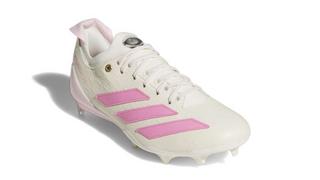
CREAM WHITE/BLISS PINK
Men's Football Cleat
May 4, 2026
Catch the May 15 drop of the adidas adizero electric 2 Travis Hunter cleat in White/Pink. Learn how Hunter's Jaguars PEs inspired this drop.
Launching 05/15
Nov 14, 2025
Find the best basketball gift ideas for players of all ages—gear, apparel, and unique items that inspire performance and fun.
Oct 4, 2025
Basketball tryouts are coming up. From skills training and mental prep to the best basketball shoes and gear, here’s how to prepare and stand out this season.
Sep 4, 2025
Discover how Jordan football cleats are changing the game in 2025 — with retro silhouettes, player‑exclusive drops and stadium‑ready performance.
Apr 30, 2025
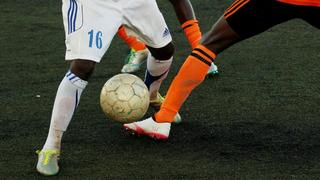
Cleats are an essential part of any football, soccer or a baseball player’s uniform, but did you know there are cleats designed specifically for each of these games?
Aug 15, 2024
Find the perfect back-to-school shoes for your kids. Our guide covers sneakers, cleats, and more. From trendy to durable options, we’ve got you covered.