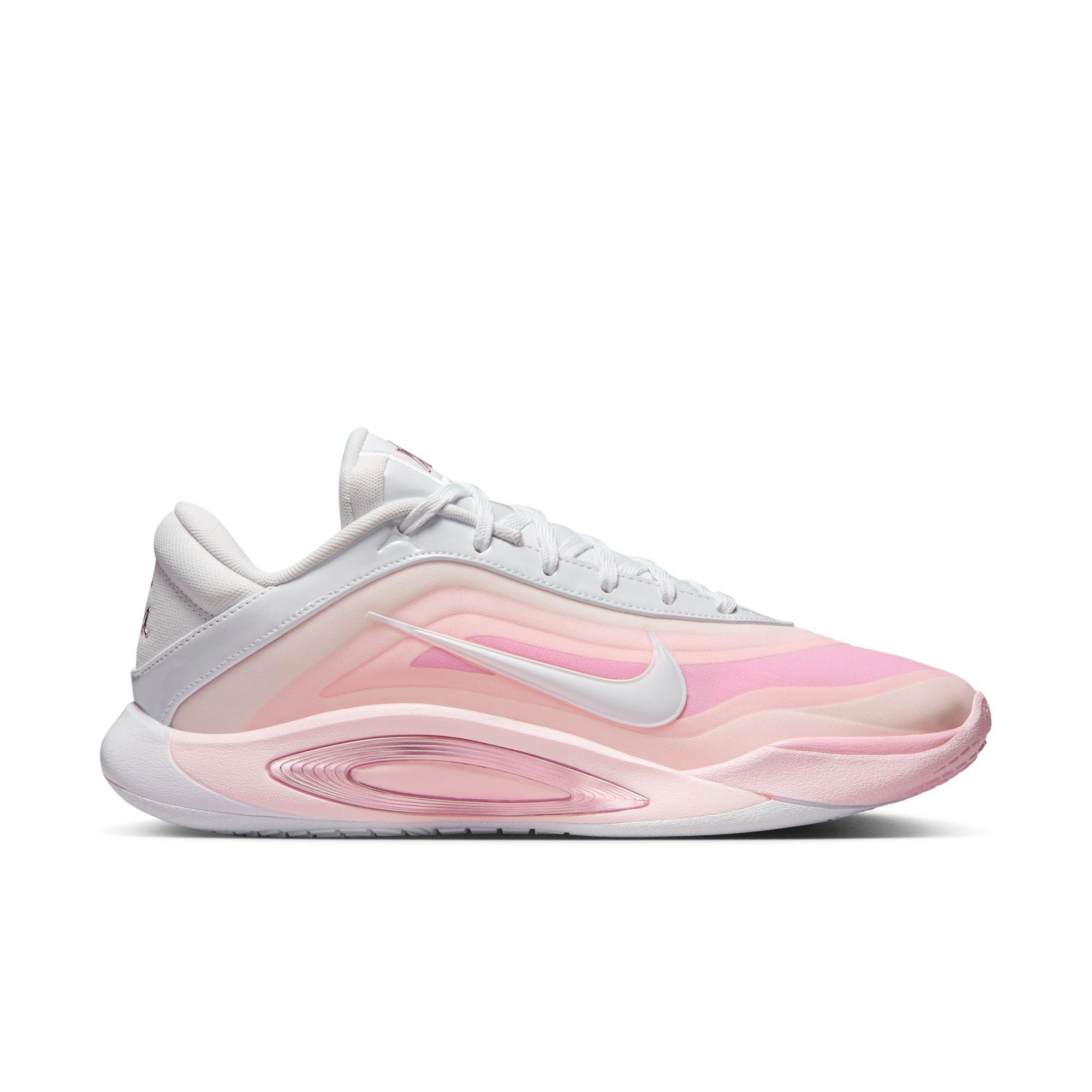
Best Gifts for Teenage Athletes

Their calendar is packed with practice, away games and everything in between. Give them gear that earns a place in that routine: court-ready footwear, cozy fleece, organized backpacks and cushioned socks. Explore Hibbett's picks for birthdays, Christmas and a well-earned end-of-season surprise, with practical tips to help you choose.

Read More

Basketball Shoes for Court Time

Shop All

Nike Fleece Hoodies for Downtime

Shop All

Athletic Backpacks for Busy Days

Shop All

Cushioned Crew Socks They'll Use

Shop All

Best Gifts for Teenage Athletes

A teenager’s athletic routine often stretches from a full school day to practice, then into homework, team travel and time with friends. Performance apparel, activity-appropriate footwear and practical accessories can earn a place in that routine by making it easier to move comfortably and keep essentials organized. A thoughtful gift starts with the way a teen actually participates: a distance runner has different footwear needs from a court athlete, while someone exploring a new sport may appreciate versatile clothing more than specialized equipment. Footwear should suit the activity’s movement patterns and playing surface, with traction, cushioning and support appropriate to the intended use. Running Shoes are designed primarily for forward movement, while court footwear typically accounts for repeated stops and side-to-side changes of direction. Casual footwear serves a different purpose, giving teens something comfortable to wear away from practice without treating every pair as competition equipment. Fit matters more than a familiar size printed on the box. There should be comfortable room around the toes, a secure heel and no persistent pinching across the forefoot. Trying footwear with the socks normally worn for the activity gives a more useful sense of fit, especially when an athlete uses prescribed inserts or other equipment inside the shoe. For apparel, the details become noticeable during movement: a waistband that stays comfortable while sitting and sprinting, shoulder seams that do not restrict an overhead reach, and fabric that does not bunch under a uniform. Polyester and nylon blends are common in performance clothing because they can be lightweight and quick-drying, while elastane adds stretch. Cotton-rich fabrics often provide a soft feel for everyday wear and downtime, though they generally retain more moisture than quick-drying synthetics. Neither fabric type is automatically the better gift; its usefulness depends on when and how the teen will wear it. A relaxed layer for the ride home and a fitted training top solve different needs, even when both reflect the same personal style.

The smaller details of an athlete’s day offer plenty of direction for practical gift giving. A bag that opens wide enough to find a uniform without emptying everything onto a locker-room bench can make a busy afternoon easier. Separate compartments help keep worn footwear away from clean clothing, while accessible pockets give small essentials a consistent home. Durable woven fabrics, reinforced handles and securely attached straps are useful features for bags that travel between school, practice facilities and weekend events. A padded back panel and adjustable shoulder straps can improve carrying comfort, but the bag still needs to be a manageable size for its recipient. Water-resistant fabric can help with minor splashes; it does not necessarily mean the entire bag is waterproof, particularly around seams and zippers. Reusable drink containers are another everyday option, especially when their shape fits the athlete’s bag pocket and their lid is easy to operate during a break. Insulated construction helps maintain drink temperature, while a wide opening can make thorough cleaning easier. A secure closure matters when the container rides beside schoolwork or a clean uniform. Socks also deserve attention beyond color. A comfortable toe seam, cushioning placed where the wearer prefers it and a cuff that stays put can make them useful for both training and daily wear. Their thickness should work with the athlete’s footwear rather than crowding it. For teens who move straight from class to practice, breathable clothing, an organized bag and comfortable socks address familiar frustrations without requiring a major change to their routine. These gifts can feel personal through a favorite color, a preferred silhouette or a design that fits the recipient’s everyday style. The useful distinction is between something that merely looks athletic and something that handles the athlete’s actual day. Secure pockets, smooth seams, washable materials and sturdy closures are details a teen may notice every time the gift gets used, long after the wrapping is gone.

Training and recovery accessories call for a little more attention to the recipient’s experience and existing routine. Resistance equipment should suit the athlete’s ability and be used with appropriate instruction, rather than chosen on the assumption that greater resistance means a better workout. Portability can be helpful, but dependable construction, clear use instructions and enough space to exercise safely matter more than how little room something takes up in a bag. Recovery-focused gifts are most useful when they support established habits without promising to prevent injuries or replace care from a qualified professional. Reusable hot or cold accessories, for example, need to be used according to their directions, including any guidance about skin protection and application time. For sport-specific equipment, the athlete’s position, playing level and team requirements may determine the appropriate dimensions, materials or protective features. A quick check with the recipient or a parent can prevent a well-meant surprise from being unsuitable for participation. Families celebrating siblings or teammates with different interests can also explore Gifts For Sports Players while keeping each person’s routine and preferences in mind. Birthdays, making a team and reaching a personal milestone are all opportunities to recognize the effort behind the performance, not just the final score. Care requirements are worth considering, too. Apparel lasts longer when it is washed and dried according to its label, and some stretch fabrics and printed details need gentler treatment than everyday laundry. Footwear should be cleaned using methods appropriate to its materials and allowed to dry away from direct heat. Bags benefit from being emptied regularly so damp clothing does not stay tucked inside, while drink containers need thorough cleaning around lids, seals and straws. A gift that fits the teen, suits the activity and works with these everyday habits has a clear role beyond the celebration. It becomes part of getting ready, showing up and enjoying the sport on their own terms.
Read More

FAQs