


Sep 16, 2026
Learn how football cleats should fit for maximum comfort, speed and support. Get football cleat sizing tips for every position, wide feet and youth players.
Football cleats represent essential equipment for players at every competitive level. The right cleats enhance agility, speed and footwork while providing critical support preventing injuries during high-impact plays.
Football cleats should fit snugly with approximately a quarter-inch of space for your longest toe, preventing cramping while ensuring security. They're built stiffer than everyday sneakers to withstand intense, multi-directional cuts and explosive movements.
A proper fit requires wearing your exact game-day socks—thick athletic varieties impact sizing significantly. Cleats should fit securely without causing numbness, toe cramping or heel slippage.
Cleat height significantly impacts performance across different positions.
Football cleats deliver performance through strategic stud or spike placement. The layout and shape of studs vary significantly based on the playing surface. Wider stud placement contributes to fast, explosive cutting movements essential for skill positions.
Understanding your primary playing surface ensures selecting cleats maximizing traction and preventing slipping or unnecessary stress on feet and ankles.
Molded cleats feature permanently attached rubber or plastic studs, ideal for artificial turf and harder surfaces. They require minimal maintenance and deliver consistent performance throughout seasons. Most players find molded cleats more affordable and accessible.
Detachable cleats offer removable metal or plastic studs, perfect for natural grass and varying field conditions. Detachable options allow swapping studs based on weather—shorter studs for firm ground and longer studs for muddy, wet fields. Many college and professional players prefer detachable options allowing customizable traction adjustments.
Hibbett stocks comprehensive football cleats for every position and playing surface. Explore Nike football cleats, adidas football cleats, Under Armour football cleats, Jordan football cleats and top styles.
Members enjoy Free Shipping for Members and Free 60 Day Returns. Earn $10 for every $200 spent or grab 15% off for new rewards members. Shop Men's Football Cleats, Boys' Football Cleats and Girls Football Cleats today!
Break-in your cleats during light training or practice sessions before competition. They feel noticeably stiffer than regular sneakers out of the box, requiring time to mold naturally to your feet. Wearing them during low-intensity activities allows the material to conform to your foot shape, preventing discomfort and blisters during actual games. Most players need 2-3 practice sessions for proper break-in.
Football cleats are not recommended for other sports. They're heavier, stiffer and feature distinctive toe studs that baseball and soccer cleats lack. Using incorrect cleats impacts performance significantly and increases injury risk. Always verify your sport's specific equipment requirements before using football cleats in different competitions.
Metal cleats are strictly prohibited at youth, high school and recreational flag football levels due to severe injury risks during tackles and collisions. Always verify your specific league's rulebook regarding allowed materials. Most organized sports require rubber or plastic studs exclusively for safety reasons.
No. Avoid sizing up to accommodate growth, even if your child is growing quickly. Oversized cleats compromise traction, cause tripping hazards and lead to painful blisters during play. Proper fit is essential for safety and performance. Instead, measure your child's feet regularly and purchase correctly-sized cleats when needed, allowing proper fit with game-day socks. The investment in proper sizing prevents injuries and ensures confidence on the field.
By Gender:
Men's Football Cleats |
Boys' Football Cleats
By Brand:
Nike Football Cleats |
adidas Football Cleats |
Jordan Football Cleats |
Under Armour Football Cleats | Beastmode Football Cleats
By Color:
Black Football Cleats |
White Football Cleats |
Red Football Cleats |
Blue Football Cleats |
Green Football Cleats
Sep 16, 2026
Learn how football cleats should fit for maximum comfort, speed and support. Get football cleat sizing tips for every position, wide feet and youth players.
May 5, 2026
Ready to dominate the turf? Use our football cleat guide by position to find the perfect Nike or Jordan cleats for your playing style and position.
CREAM WHITE/BLISS PINK
Men's Football Cleat
May 4, 2026
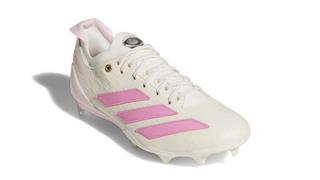
Catch the May 15 drop of the adidas adizero electric 2 Travis Hunter cleat in White/Pink. Learn how Hunter's Jaguars PEs inspired this drop.
Launching 05/15
Sep 4, 2025
Discover how Jordan football cleats are changing the game in 2025 — with retro silhouettes, player‑exclusive drops and stadium‑ready performance.
Apr 30, 2025
Cleats are an essential part of any football, soccer or a baseball player’s uniform, but did you know there are cleats designed specifically for each of these games?
Dec 4, 2024
For Zachariah and Zion Branch, teamwork is a family affair. See how these brothers are creating a path of their own as Jordan Brand's first NIL football players in episode 4 of the Hibbett x Jordan series, Cleared for Takeoff.
Aug 15, 2024
Find the perfect back-to-school shoes for your kids. Our guide covers sneakers, cleats, and more. From trendy to durable options, we’ve got you covered.
May 20, 2024
Step onto the field with confidence this season! Explore our Football Gear Buying Guide to discover all the essential must-haves for every football player!