Expert Advice

How to Choose the Right Shoelace Length for Your Shoes

Mar 17, 2026

When you shop for shoes, you probably think about design, fit and color first. But if you're struggling to find the perfect fit, you could be overlooking an important accessory — your shoelaces. 

Learning how to measure shoelace length and choose the right size can help your shoes fit better and improve your game. This guide will teach you how to choose a shoelace length for today's popular kicks. 

Mastering the Seasonal Shift With the 3-Shoe Rule

The easiest way to figure out which standard shoelace length will fit your shoes is to count the number of eyelets (the small holes used to lace shoelaces) on each shoe.  

Total number of eyelets Recommended shoelace length Normal shoe category
4–6 27–36" Children's shoes, toddler shoes, some formal dress shoes
6–8 30–40" Kids sneakers, youth shoes, some casual low-tops and most formal shoes
8–10 36–45" Most adult low-top sneakers, most running shoes
10–12 40–54" Standard size adult shoes, trainers, some mid-tops 
12–14 45–63" High-top sneakers, skate shoes, some low-top work boots
14–16 54–72" Tall hiking and work boots
16–20 63–90"+ Heavy-duty work boots, tall tactical boots, high-lace aesthetic choices (like extra tall Converse)


You can use this shoelace length chart to get a good idea of what length is likely to fit best with your kicks. For example, if you're wondering what length of shoelaces you need for 6 eyelets, you'll usually want to choose a length between 30 and 40 inches.

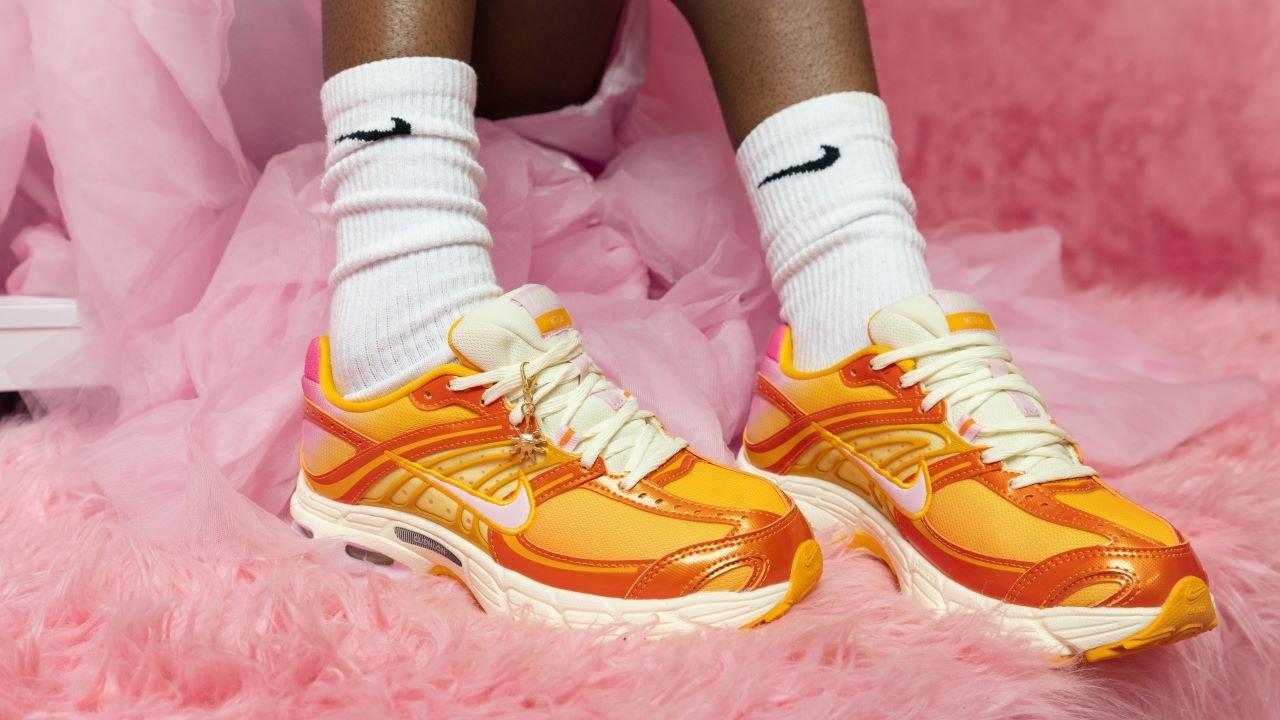
Young woman in Nike Air Max Moto 2K

2 Foolproof Ways to Measure for New Shoelaces

A helpful way to choose the right shoelace length for your new pair is to measure against a shoelace you already use. Start by removing one full lace from your shoe and laying it completely flat and straight on a table or other flat surface. Using a measuring tape, measure from tip to tip, including the aglets (those small plastic or metal tips on each end). 


Use this measurement as your baseline when buying replacements. For example, if your current laces feel perfect, buy the same length. If they're a little short, go longer, and vice versa. 


If your old laces are lost or chewed up by a pet, don't just guess what size lace you need — test it first. Grab a piece of sturdy string, yarn or even a spare shoelace from another pair that you think is longer than the lace that you'll need. Lace up the shoe using your normal style and tie the string or laces like usual. Once you're satisfied, mark where you want your shoelaces to end, unlace and measure from the end to your marking. 


This method gives you a more flexible way to tell what size shoelace you need, and is ideal for shoes with unusual eyelet spacing. Don't be afraid to test out a few different lacing techniques and see how the amount of lace you need varies between styles. 

Why Shoe Style Changes the Shoelace Length You Need

Shoelace length isn't a one-size-fits-all solution. Different tying techniques and patterns, as well as different shoe types, might require different lace lengths to keep your shoes comfortable. 


Check out these tips for choosing laces based on your shoe game:

  • Basketball shoes: Court-dominating designs like Nike Dunks are built for performance, with extra height to stabilize the ankle during quick cuts and jumps. Choose longer laces for more advanced lacing techniques like the heel lock, which requires an extra loop at the top eyelets to cinch the foot down and prevent slips.
  • Running shoes: Running shoes like the New Balance 530 focus on serious lockdown, keeping your foot safely in place when walking or jogging on uneven trails. Select your standard size lacing for these kicks to tie them tight. You might want to upgrade to longer laces if your shoes have more body padding or elastic laces to get that extra-tight, fit-to-form feel. 
  • Lifestyle designs: Casual or lifestyle kicks like Nike AF1s are all about style over heavy-duty function, with lower profiles guiding you toward shorter laces. When lacing Air Force 1s or other everyday sneakers, pick laces on the shorter end to keep your look tidy. 
  • Boots: Rugged boots like the Timberland Stone Street 6-inch are taller and wider, meaning that you'll need to step up your gear with longer shoelaces. When considering how to lace Timberlands or other work boots, use yarn or a spare shoelace to thread fully up the shaft and wrap around for ankle support. With this sample as a guide, select a longer pair of laces to prevent the top of your boots from coming loose. 
Young woman in Nike Air Max Moto 2K

Pro Tips for Fine-Tuning Fit and Style

Choosing shoelaces is all about supporting your unique sense of style. If you have wider feet or you prefer double knotting, you may want to opt for a longer pair of laces. If you prefer more round laces, you might also need to go longer to support your style. It's all about picking what's comfortable for you and what gives you the support you need.

No matter if you're learning how to lace Knu Skool Vans or you're shopping for your next pair of Timbs, Hibbett has got you covered with authentic styles and accessories. Start shopping today to secure your next epic fit check. 

Shop the Story