Expert Advice

How to Prevent Shoe Creases and Keep Sneakers Looking Fresh

Oct 6, 2026

Unfortunately, shoes crease. It's a part of life. Or is it? This is your complete guide to why shoes crease, how to prevent creases in shoes and how to fix them. 

The Science of the Flex: Why Shoes Crease Naturally

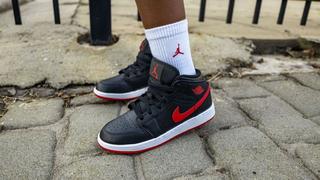
Shoes crease for several reasons, mostly because of the compression created when you walk. When you flex your foot, picking your heel up while your toes are still on the ground, this creates creases on the forefoot part of the upper. Creases can also form if you put your shoes on and off improperly, such as not untying the laces before taking them off. The same goes for forcing your foot into the shoe without tying them (which also stretches out the top of the upper). 


Shoes that don't fit quite right are more likely to develop creases. If they're too large, that extra material will bunch up as you walk. You'll likely notice creases on top of your toes. But if your shoes are too small, they can crease higher up on the upper. High-quality shoes are designed not to crease drastically when you walk, accounting for the natural flexion points. 


Realistically, you can't completely avoid creases forever. Another reason shoes crease is simply that you wear them often. That means, sadly, your favorite pair of kicks are the most likely to crease over time. Rotating your sneakers can help, but there's no magical way to keep shoes crease-free forever. 

Person seated in an orange chair wearing a brown Nike Tech jacket and matching joggers with white-and-black Nike Dunk Low snakeskin sneakers.

Start With the Right Fit to Minimize Material Stress

If you notice a lot of creasing in your sneakers, the likely culprit is the size. Measure your feet and check the size guides for the specific sneaker brands. If you're a 10 in one brand, you might be a 10.5 or 11 in another. Companies sometimes use different sizing, so pay attention to this when shopping. 


The best way to ensure you always buy the right size is to record your shoe dimensions, including heel-to-big-toe length, heel width and width at the widest part of your foot, usually from the ball of your foot to just below the pinky toe. Write these down or put them in your phone so you can reference your dimensions when looking at a brand's size chart. 


Even if you're wearing the right size, your shoes might still crease because of the material. More rigid materials, like leather, crease the easiest. Flexible materials, like knits, rarely crease because they're designed to bend and flex. If shoe creases really bother you, avoid leather and opt for knit or mesh. Canvas and suede fall in the middle; they're less likely to crease than leather, but they'll still crease over time. 

Essential Gear for Crease Protection and Structural Integrity

Thankfully, small inventions can help prevent creases. That means you can still wear your beloved leather shoes without dealing with constant creasing! Shop shoe crease protectors at Hibbett to keep your kicks smooth and pristine. The Sof Sole Forcefield preventers are one of the top options we recommend, using adhesive strips to stay in place and a soft foam that's comfortable on top of your foot. 


In addition to using a shoe crease protector, you can store your shoes carefully to prevent creasing. Stuff them with acid-free tissue paper to maintain their shape and prevent the upper from sinking or sagging. Use just enough paper to maintain the shape, but don't overstuff. 


Even better than tissue paper is a cedar shoe tree. These are like faux feet made of wood that you slip into the shoe to maintain its perfect shape. Ideally, you should use these any time you put shoes in long-term storage. They hold the shape and also absorb moisture to prevent materials from breaking down or mold from growing.

Close-up of a Nike Dunk Low sneaker featuring cream leather, brown snakeskin overlays, a black suede Swoosh and white laces.

Maintenance Routines to Keep Leather Supple and Sharp

A solid sneaker rotation can also prevent deep creasing, along with using a shoe crease protector​. Try not to wear the same sneakers every day, as they'll crease faster, even with protection. You should have at least three or four sneakers in your weekly rotation, wearing a different pair every day. This gives the fibers time to rest and return to their proper shape. 


Smart storage is also essential. Keep your shoes away from heat, humidity and sunlight, all of which weaken the fibers and lead to deep-set wrinkles. 


Learning how to prevent shoe creases helps now, but what about creases that have already formed? You can try to remove leather creases by gently wetting the crease with a damp cloth, then using a warm (not hot) iron to flatten it. Be careful — it doesn't always work. 

Tragically, shoes can't last forever, but you can make them last longer with the right care. Get all your shoe care essentials at Hibbett so your favorite pairs last as long as possible!

Shop the Story