Expert Advice

Mules vs Slippers: Which Easy-On Shoe Is Right for You?

Nov 5, 2026

What’s the difference between mules and slippers? Both are easy-on shoes, but mules typically offer more structure and outdoor durability, while slippers prioritize softness and at-home comfort. The right choice depends on where you plan to wear them and how much support you need.

Choose mules when you want a casual, backless shoe for errands, lunch or everyday outings. Reach for slippers when you want something soft and cozy for relaxing at home. Some hybrid styles blur the line by combining a slipper-like interior with a durable outsole that can handle short trips outside.

Design and Durability: The Core Differences Between Mules and Slippers

Before deciding which style belongs in your rotation, it helps to understand how mules and slippers differ in construction.


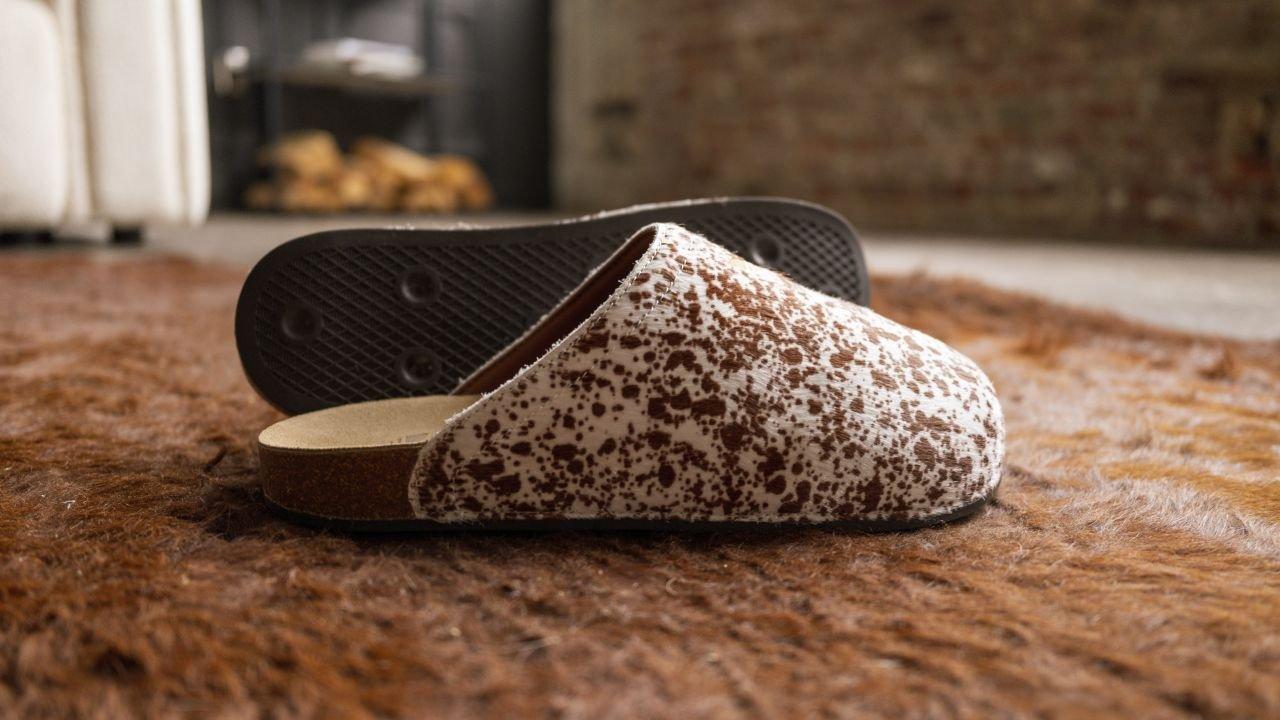
Mules are backless shoes with an open heel. They may have an open or closed toe and can range from streamlined fashion styles to casual, clog-inspired designs. Many mules feature structured uppers, supportive footbeds and durable rubber outsoles that make them suitable for everyday outdoor wear.


The design makes mules easy to slip on without giving up the sturdier feel of a traditional shoe. Depending on the style, a mule may also have a flat sole, platform or low heel. Because the heel remains open, mules generally do not include a back strap.


Slippers are primarily designed for indoor comfort. They often use soft, flexible materials and may feature fleece, faux fur, wool or cushioned linings. Compared with mules, traditional house slippers usually have thinner and more flexible soles with less structure underfoot.


Not every slipper is limited to indoor wear, however. Some modern slippers feature thicker rubber outsoles and supportive footbeds that make them suitable for quick outdoor trips. Check the product description and outsole before assuming a pair can handle sidewalks, parking lots or wet surfaces.

Lifestyle and Utility: When to Reach for Each Style

The simplest way to choose between mules and slippers is to consider where you are going.

Mules are generally the more versatile choice for plans outside the home. Their structured designs and durable outsoles make them useful for running errands, meeting someone for lunch, shopping or visiting friends. They provide the convenience of a slip-on shoe while offering more protection and support than a traditional house slipper.

Slippers are the cozy choice for time at home. Soft linings and flexible construction make them ideal for relaxed weekends, quiet weeknights, holiday mornings or any time you want a comfortable barrier between your feet and the floor.


Neither style is intended for running, hiking or other high-impact activities. Backless shoes do not provide the same heel security as sneakers or hiking shoes, and many slippers lack the traction and weather protection needed for demanding outdoor conditions.


Some designs combine the comfort of a slipper with the durability of a mule. UGG Tasman slippers, for example, have a low-profile, slip-on silhouette and a durable outsole. Their warm materials make them especially useful during fall and winter, while their structured construction helps them transition from relaxing at home to casual outings.


Nike slippers for women offer a different kind of indoor-outdoor versatility. Many sport-inspired slip-on styles use foam or rubber cushioning with sturdy outsoles that can handle quick errands, trips to the pool or casual warm-weather plans. Open-toe designs work naturally in spring and summer, while socks can add warmth during cooler months.

Support vs. Softness: Evaluating Comfort Levels

Mules and slippers can both be comfortable, but they do not always provide comfort in the same way.


Traditional slippers prioritize softness and warmth. Plush materials such as fleece, wool and sheepskin help create a cozy feel, making slippers a natural choice for relaxing at home. Sport-inspired slippers and slides may feel firmer or bouncier because they rely on molded foam or rubber rather than fuzzy linings.


Support can vary significantly between slipper styles. A soft lining may feel comfortable when you first put the shoe on, but softness alone does not provide arch or heel support. Look for a contoured footbed, cushioned midsole and outsole that feels stable beneath the foot.


Mules usually provide more structure than traditional house slippers. Many include firmer footbeds, thicker midsoles and durable outsoles designed for extended everyday wear. However, support still varies by design, and the open heel may not feel secure enough for everyone.


If you need additional support, look beyond the style name and examine the shoe’s construction. A supportive mule or slipper should have:

  • A contoured footbed that follows the shape of the foot
  • Cushioning beneath the heel and forefoot
  • Enough room for the toes to rest naturally
  • A stable sole that does not twist too easily
  • An outsole with traction appropriate for the intended surface

Mules may be the better option when outdoor durability and a structured feel are the priorities. Slippers may work better when warmth, softness and flexibility matter most.

Choosing the Right Fit for Your Feet and Floors

As a general rule, choose mules for structured, easy-on comfort outside the home and slippers for warmth and relaxation indoors. Hybrid styles can provide elements of both, but fit and construction should guide the final decision.


Your toes should rest comfortably without touching the front of a closed-toe style. The heel should sit securely on the footbed without hanging over the back, and the shoe should remain in place without forcing you to grip with your toes as you walk.


For mules, pay attention to how the upper holds the front of the foot. A style that is too loose may slide around, while one that is too tight may create pressure across the toes or instep. When trying on slippers, consider whether the lining will compress over time and whether the sole feels stable enough for your floors.

Traction matters indoors, too. Wood, tile and linoleum floors can become slippery, especially when wearing shoes with smooth bottoms. Look for textured outsoles or rubber traction if you plan to move between different surfaces throughout the day.


Whether you want structured mules, plush slippers or a hybrid style that can handle both, Hibbett has easy-on options for different seasons and routines. Shop mules and slippers and find a pair that brings the right combination of comfort, support and everyday versatility to your rotation

Shop the Story