Expert Advice

How Many Pairs of Shoes Does a Child Really Need?

Sep 1, 2026

Many parents feel like they’re constantly buying their kids shoes, whether because of growth spurts or wear and tear. But how many pairs of kids' shoes do you really need? You asked, we’re answering.

Why Does Every Kid Need the Essential Three-Pair Rotation?

One pair of kids' shoes is rarely enough. If they’re heading off to school every day and have other activities afterward or on the weekend, they need at least two or three pairs. When they wear the same pair every day, the shoes wear out quickly and you have to replace them more often. Worse still, worn-out shoes can cause discomfort or disrupt foot growth and development. 


Degrading rubber soles or uppers that have lost their shape can make it hard for kids to enjoy the activities they love. If their feet hurt, school days get harder. 


The rule of three is often the best approach: one pair for daily wear, one for sports, one for bad weather. That might include comfy sneaks, basketball kicks and heavy-duty boots. But the right combination of shoes depends on several factors, including your child’s age, where you live and what activities they do.


It’s important to have shoes for different purposes, but you may also want different colors and styles that help with creating outfits. If all their sneakers are black, get them a white pair or a colorful hue to mix things up! Neutrals are highly versatile, but you also want shoes that let your little one express themselves. 

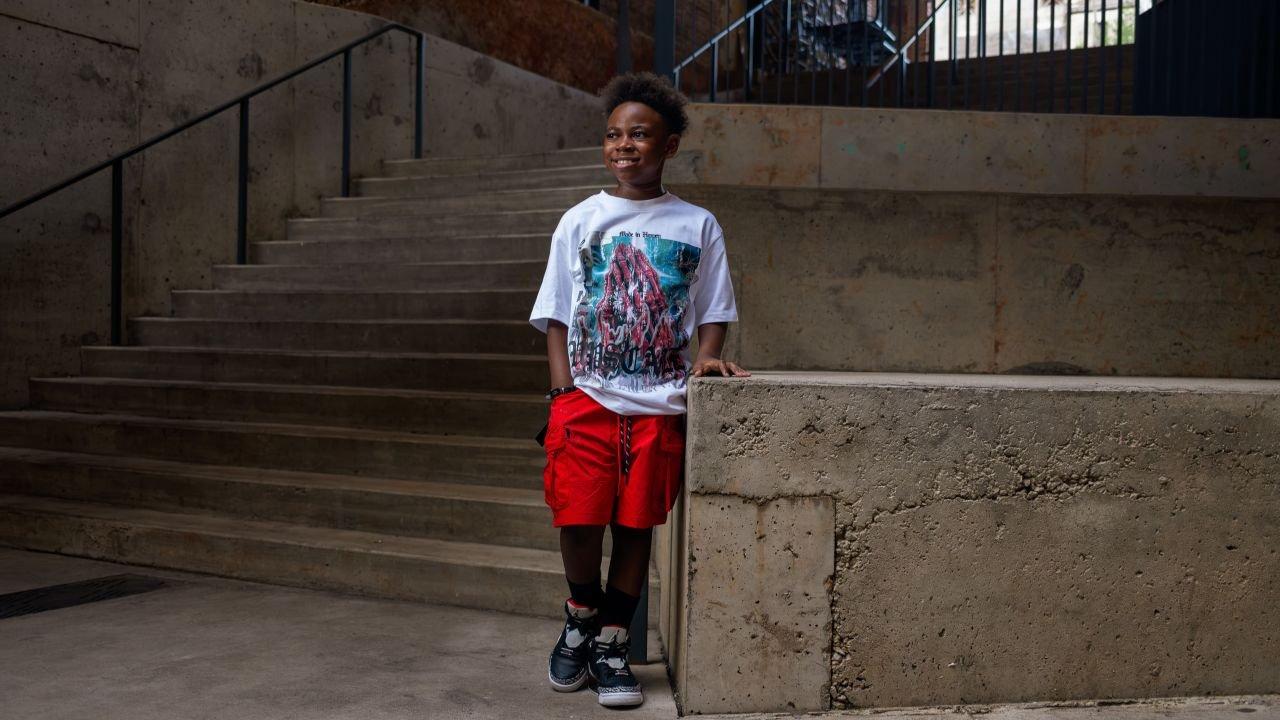
Child wearing a graphic T-shirt, black pants, and classic wheat Timberland boots.

How to Factor in Age and Extracurricular Activities?

When looking for gaps in your child’s shoe collection, take their age and activities into consideration. Do they play a sport? Do they have gym class every day? Does their school have a dress code? Are they old enough to tie their own shoes? Answer all these questions, and then choose shoes that meet their needs. 


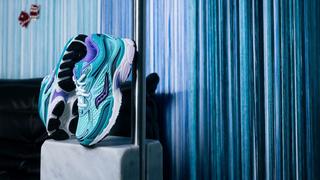
A lightweight but supportive pair of running sneakers is ideal for everyday wear, offering comfort and flexibility. Basketball shoes or casual fashion sneakers can also work for day-to-day fun.


The sporty pair will depend on what activities your child enjoys. If they play basketball, basketball shoes are the obvious choice. If their activities involve more running, consider getting them a second pair of running shoes! 


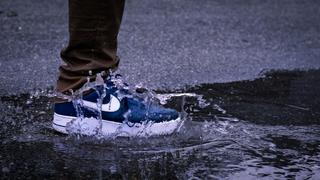
The third pair should be for extreme weather situations. If you live in Florida, they probably don’t need snow boots, but rain boots for the wet season might be a good idea. Think about the climate where you live. For hotter climates, get them airy sneakers or slides. For colder places, make sure they have reliable boots. 


An optional fourth pair could be more casual and stylish, such as Vans or Converse. These are comfortable enough for daily wear and dressier occasions, like school picture day or a dinner out with the family. 


No matter their age, shoes should be supportive. However, other age-specific factors matter. Preschoolers would benefit from slip-on styles that don’t need laces. Grade-schoolers may need more durable shoes that can handle hours of running around. The good news is, Hibbett has a big selection of durable grade-school kids' shoes!

How to Manage Growth Spurts and Weather Gaps?

We know growth spurts can make it hard to keep their shoe collection complete. To keep kids comfortable and support proper foot development, check their shoe size every two or three months. A child’s foot can grow up to a half-size in that amount of time. If their feet are growing quickly, buy shoes that are half a size or even a full size larger. Just be careful! If they’re too big, they won’t feel secure and could lead to injury.

 

When assessing your child’s closet, check for the three main categories: everyday, sport and weather. Weather-ready shoes are often the biggest gap in children’s shoe collections. This is especially true for people who live in areas where the weather can fluctuate drastically. 


Scour that closet and find a pair they can wear in every season. Then make sure there’s a pair for wet conditions, like rain and snow. Lastly, check for shoes that work for different temperatures. Thicker sneakers or sturdy boots can keep their feet warm in winter, while mesh uppers or open-toed designs let their feet breathe in summer. 

Get Them Ready for Whatever the Day Brings

It's always a good idea to have a few go-to pairs of shoes in the rotation, including options for play, sports, everyday adventures, and changing weather.

Whatever shoes are missing from your child's closet, you can find them at Hibbett. Shop our kids' shoes and discover styles they'll be comfortable wearing all season long.

Shop the Story