Lifestyle

The Complete Allen Iverson Shoes History With Reebok

Jan 28, 2026

Few athletes ever get the opportunity to change the game quite like Allen Iverson. But Al wasn't just a trailblazer on the court — he was also one of the first athletes to partner with a major athletic brand, changing the landscape for sneakerheads for years to come. Let's take a deep dive into Iverson's epic history on the court and the iconic Allen Iverson shoe over two decades.

The Beginning: The Question & the Birth of an Icon

In 1996, Allen Iverson debuted in the NBA as a problem no one quite knew how to solve. He was small by league standards but electric on the court, defiant in his play style and unwilling to mute his personality for anyone. In a league previously overshadowed by the clean-cut, towering Michael Jordan, it was inevitable that Al would catch the attention of brands looking for superstars. 


When Iverson was named the top pick by the Philadelphia 76ers, Reebok knew it was time to make its move. The goal wasn't to bend his vibes to fit with what was already selling well but to create a shoe that captured and matched Al’s out-of-the-box aesthetic.

They called this first design the “Question.” The evocative name symbolized the question mark everyone in the game had in their heads about this brilliant young athlete. With Iverson fresh out of Georgetown University and just 21 years old, no one yet knew how he would change the game over the course of his soon-to-be legendary career. 


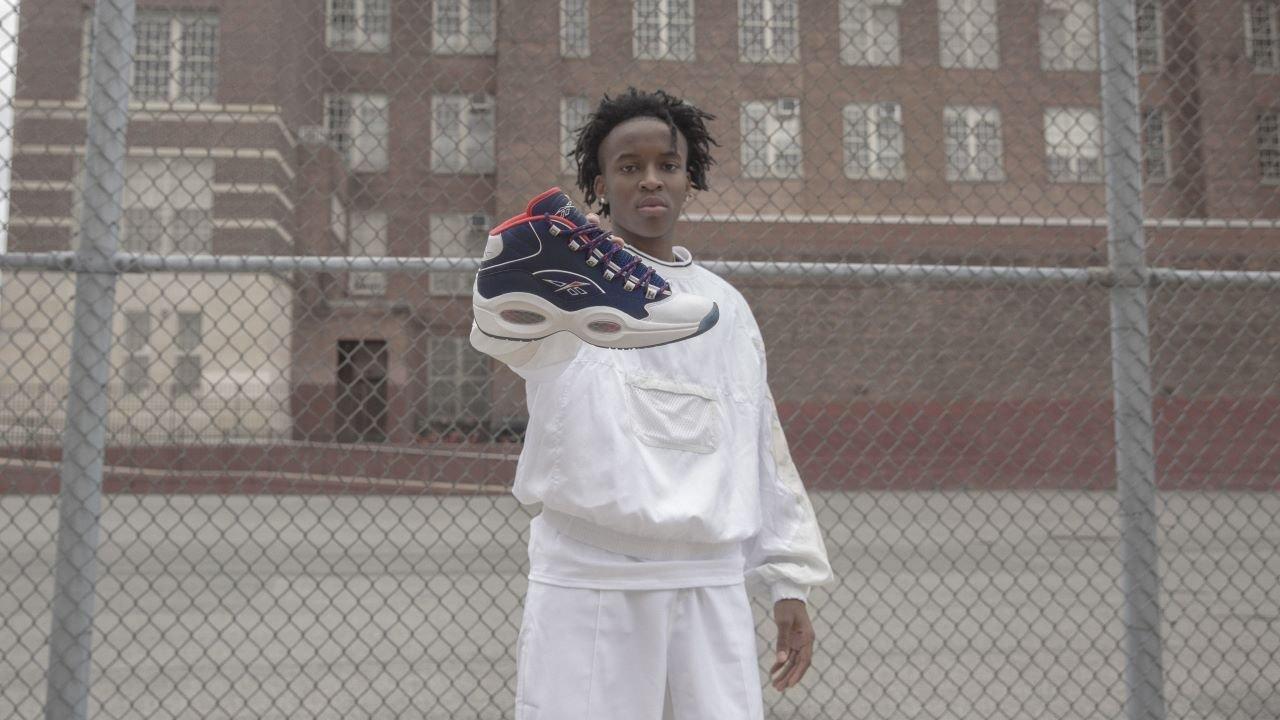
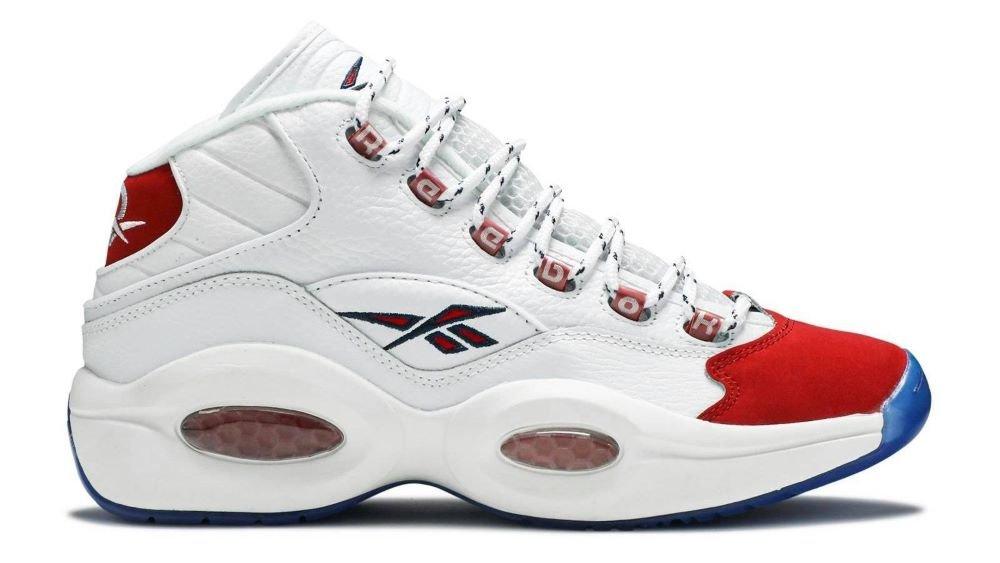
The Question Mid OG was the first Iverson shoe to make its way onto the court, coming out during Iverson’s rookie season. With a silhouette that felt grounded and serious, it wasn’t sleek or futuristic like most late-’90s performance shoes but rather featured more sturdy, chunky components designed to complement Al’s explosive play style. This boldly individual look would set the tone for Reebok's late '90s and early '00s marketing strategy, which relied on athletes with authentic charm and relatability. 


This design features a full upper leather to give the shoe its signature, almost triangular shape. Its Hexalite cushioning, a honeycomb-shaped hexagonal cell system in the midsole that absorbs impact, made it ideal for cross-court jumps. The Question Mid quickly became a favorite among hoopers and Reebok lovers alike for its exceptionally stable design. 

The Answer Series: Innovation & Dominance in the Late ’90s

The immediate success of the Reebok Question Mid led designers to quickly begin brainstorming new Allen Iverson sneakers. Iverson and Reebok signed a long-term partnership, focused on creating designs that supported both his college basketball career and unique style of play. 


Naturally, as Al evolved on the basketball court, his kicks would need to as well. This athlete-led progression led Reebok to develop the line into the "Answer" series starting in 1997.


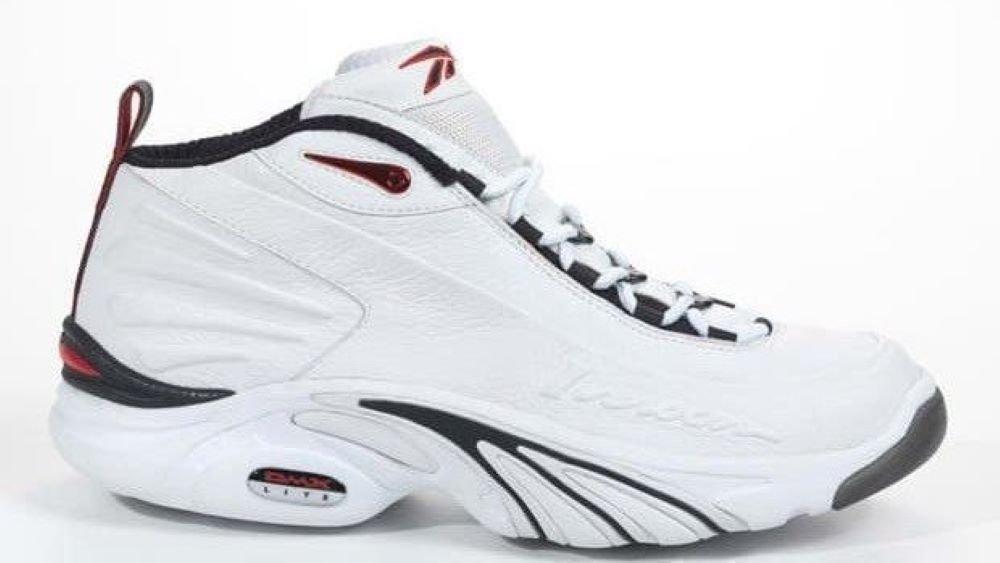
The design of the Answer 1 moved away from the Question's visible Hexalite and bold, pearlized aesthetics. The sleeker, more streamlined silhouette incorporated Reebok's advanced DMX moving-air cushioning technology and a tight hidden lace system. This shift was to accommodate Allen Iverson's transition from flashy rookie to scoring machine, as his play style began to incorporate pro moves like ankle-breaking direction changes and low-to-the-ground agility. 


1998 was the release year of the Answer 2 design, refining the formula with a lighter build and 3D Ultralite materials to shave down weight — essential for Iverson's increasing speed and endurance during the lockout-shortened season. 


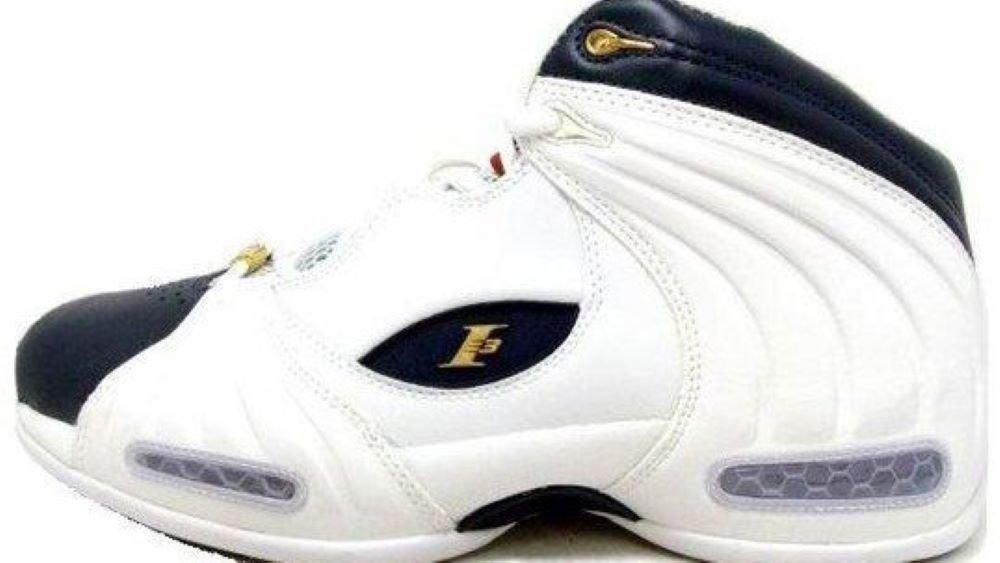
'99 saw the debut of the Answer 3, which happened to coincide with Iverson's first All-Star selection. These signature AI sneakers paired Reebok's even lighter DMX cushioning with tumbled full-grain leather uppers for premium ankle support. 

Peak Era: The Answer IV–VII Run & Early 2000s Legacy

At the dawn of the new millennium, Allen Iverson's partnership with the Reebok brand entered its prime era. The 2000/2001 season was the stuff of legend, as Iverson dished out a league-leading average of 31.1 points per game, dragging a scrappy 76ers squad to 56 wins and the NBA Finals against the powerhouse Los Angeles Lakers. Al's relentless drive and refusal to play more conservatively against physically taller players won him the MVP award the same year, making him the shortest player to ever win these prestigious props. 


This visibility made the demand for Iverson fan gear explode. Reebok capitalized on his growing icon status by expanding the line with more colorways and innovations — like refining cushioning to support Al's high-usage and injury-prone ankles. 


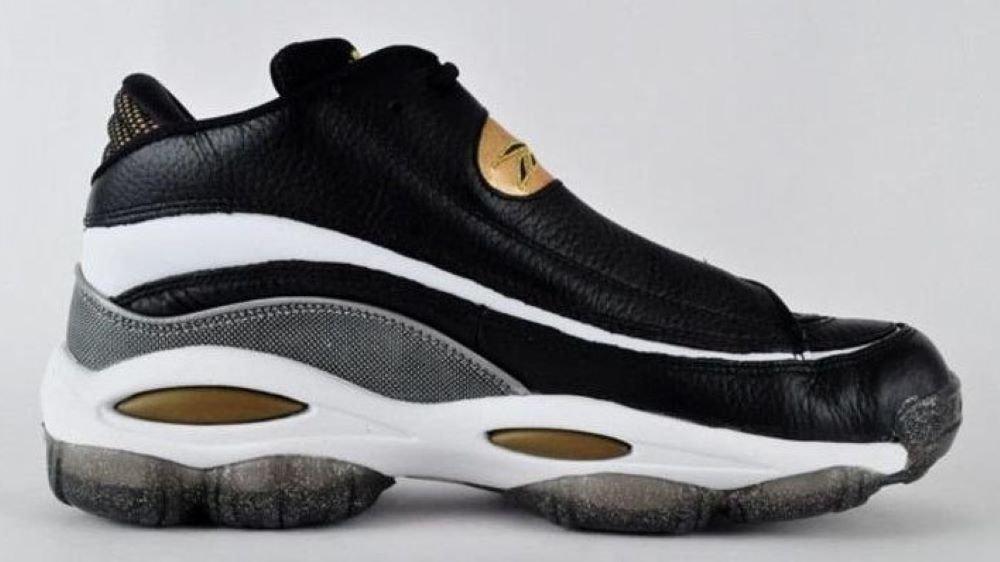
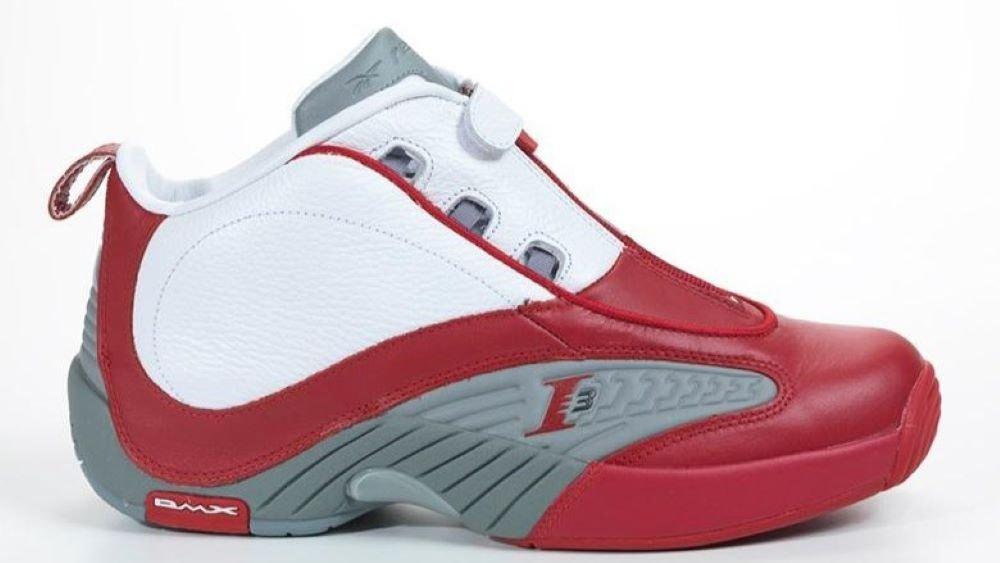
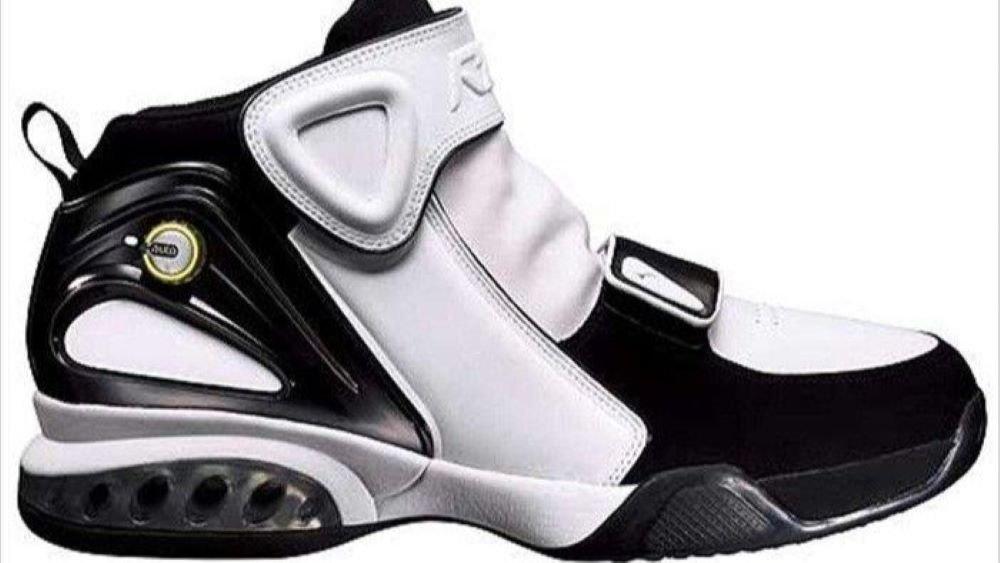
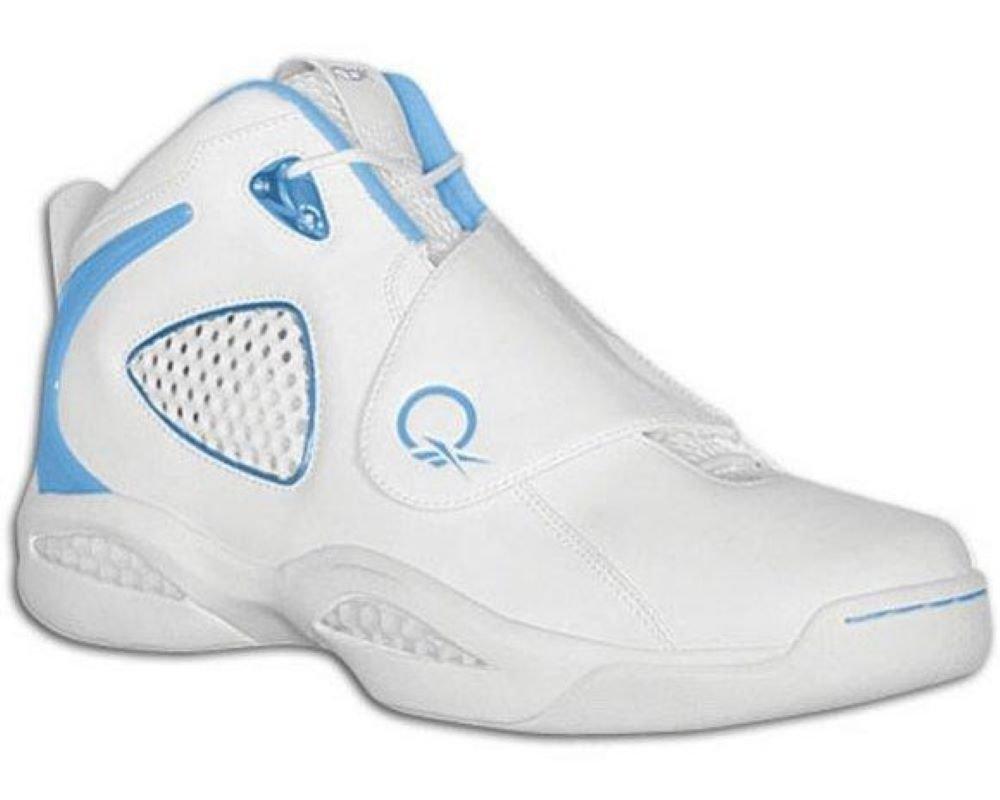
The Answer 4, released in line with the 2001 season, epitomized this synergy, adding a zip shroud for a secure lockdown that minimized lace distractions during Iverson's signature hesitations and crossovers. It also introduced the DMX I-pak system, which gave athletes the ability to customize their firmness level with interchangeable cushioning pods. 


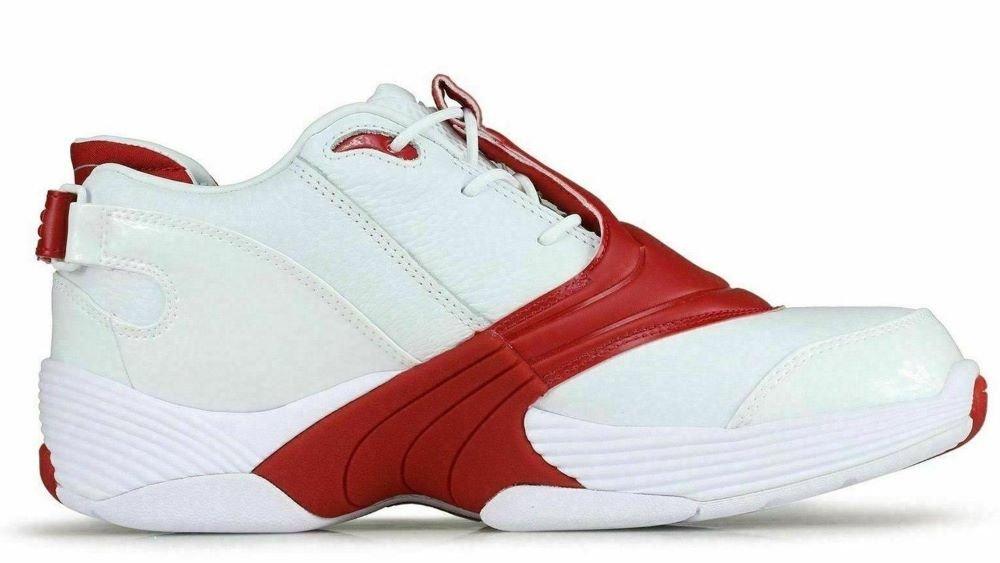
Building on the momentum of Iverson's MVP win, the 2001 Answer 5 introduced an ankle strap for enhanced support, addressing Iverson's recurring injuries while retaining DMX cushioning for fluid energy transfer during his epic jumps and finishes. As Iverson led the Sixers to another All-Star nod and deep playoff pushes, the line expanded with team-specific and lifestyle variants, boosting Reebok's international sales as he gained popularity in Europe and Asia. 


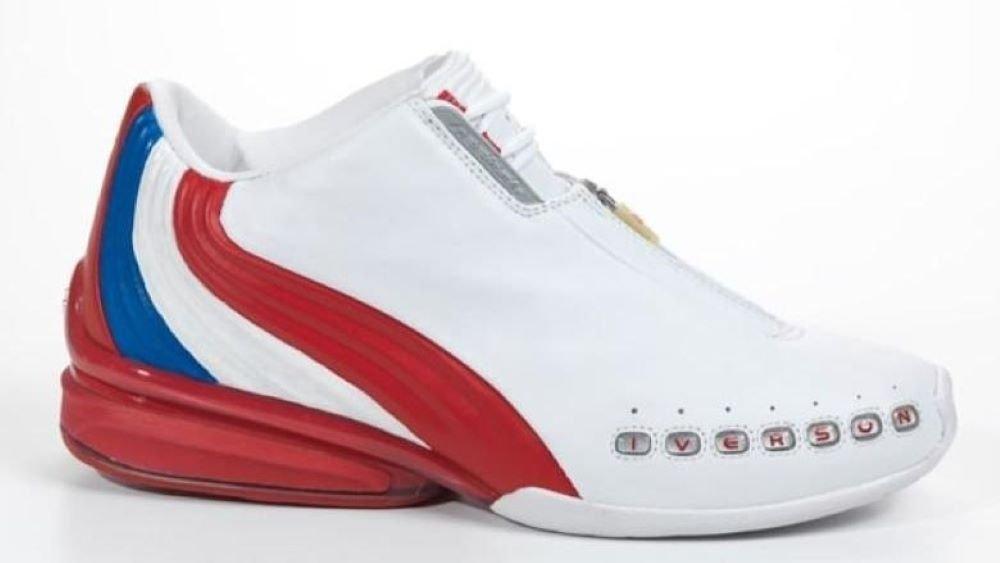
Iverson was fully maturing into his play style by 2002, settling into an average of over 30 points per game. The 2002 Answer 6 refined the zipped enclosure into a more polished and formal look with premium leather — a nod to how Iverson was growing into a serious athlete and All-Star. This design was especially popular in Philly, with the white-and-blue color scheme letting Sixers fans show off their team spirit on and off the court. 


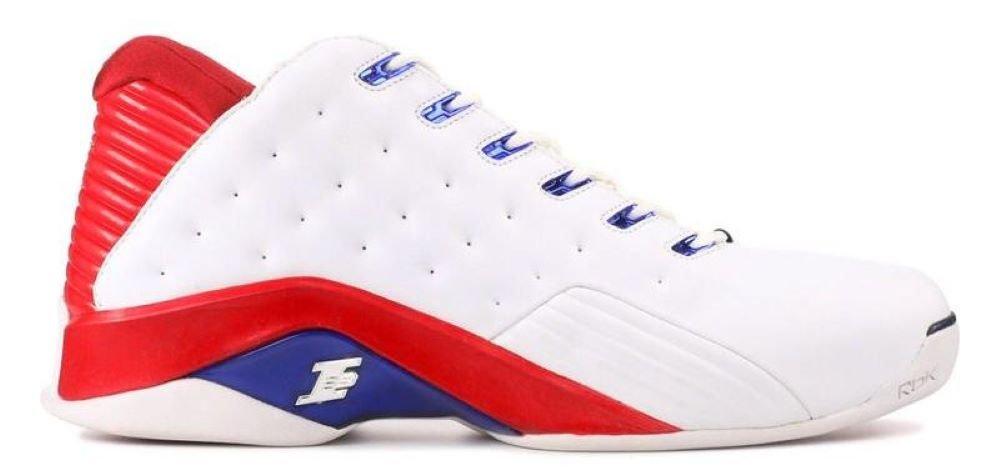
By 2003, the Answer 7 capped this run with a return to exposed lacing for customizable fit and tumbled leather for durability and a more rugged look. With Iverson having another All-Star stint under his belt, the increased focus on heavy wearability was another athlete-led feature that helped him stunt on the court while putting up numbers. 


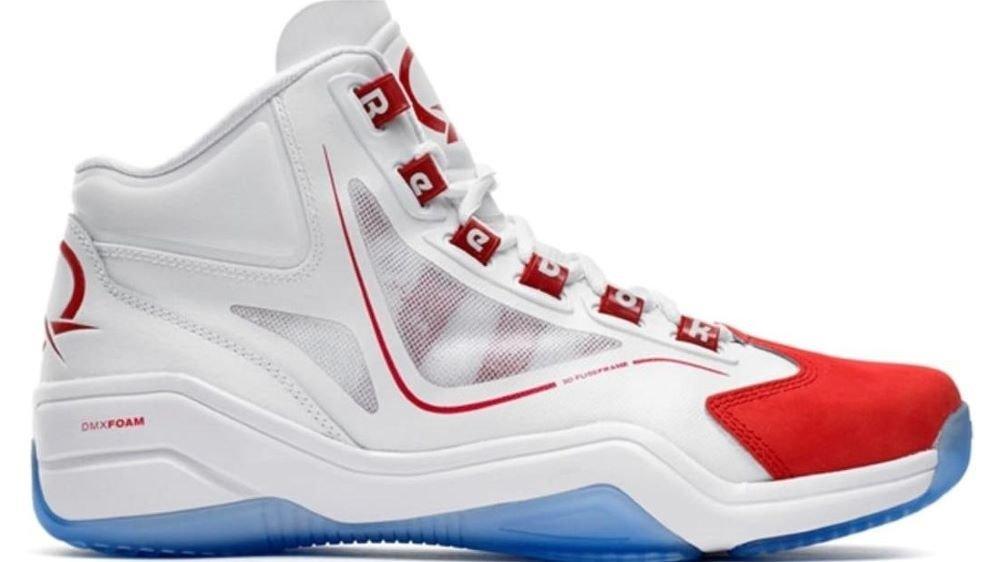
This design featured a now-signature red and white colorway, giving off an aggressive vibe as Iverson went global. Reebok re-released the Red Toe design in multiple iterations following the original Answer 7's success, including a low-top design and eventual women's and kids' sizes. 

Later Career Evolution: Answer 8–13 + Question 2–3

2000 through 2003 was an epic run, transforming Iverson from NBA rebel to enduring legend, and the Answer series was the footwear backbone of his legacy. But like the superstar he is, Iverson wasn't one to let success stop him from evolving. 

As Iverson's NBA career entered its later stages in the mid-to-late 2000s, his Reebok signature line reflected a period of experimentation and adaptation. The design focus shifted from the explosive, guard-focused innovations of the early Answer models to bulkier designs incorporating Pump technology and enhanced support systems as Iverson faced ankle issues. 


This period was also one of social changes, as Al transitioned from his Philadelphia 76ers tenure to stints with the Denver Nuggets and Detroit Pistons and a brief run with the Memphis Grizzlies. Injuries and age would also lead to declining court performance for Al — and a decline in dominance on the sneaker market, as Nike fought to reclaim the crown as the preferred brand of athletes, with designs like the Jordan 11 and partnerships with celebs like Kobe Bryant


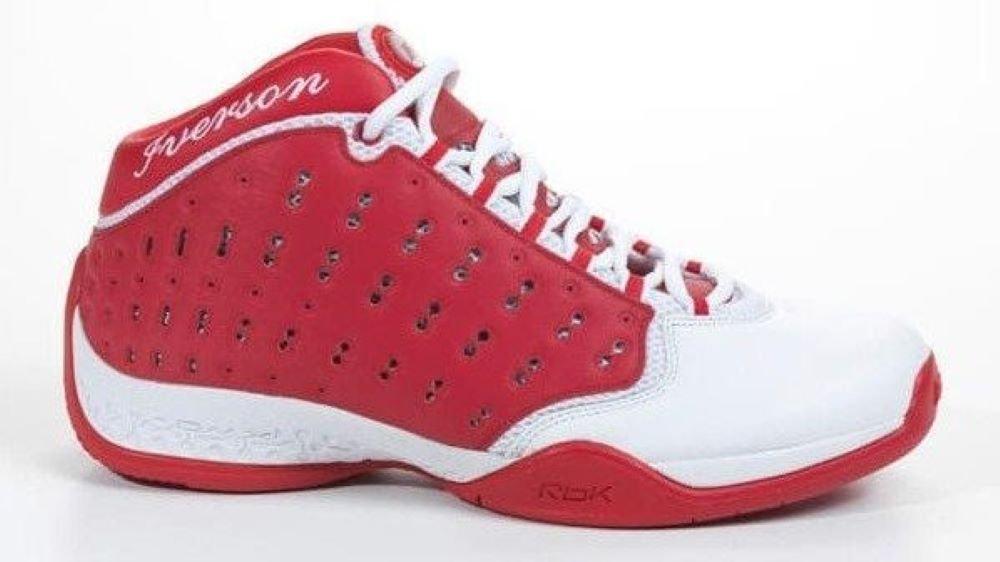
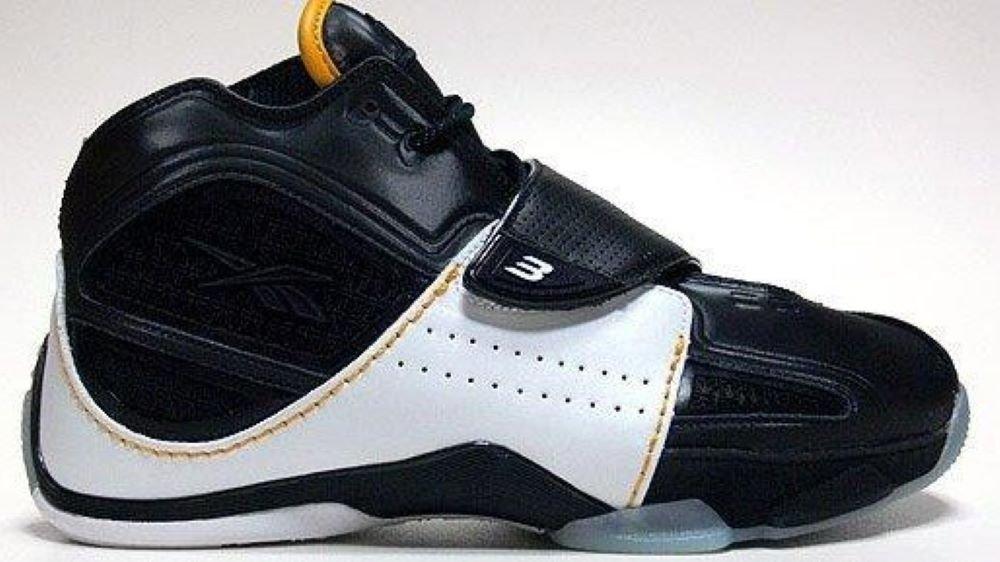
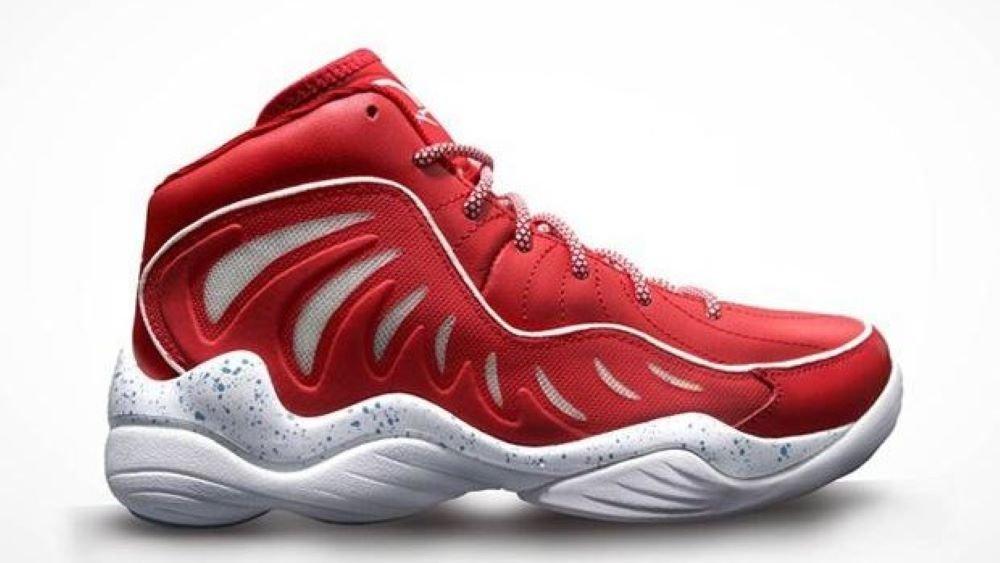
In 2004, alongside another All-Star MVP nod with the Sixers, Reebok doubled down by releasing the Answer 8 and Question 2. The Answer 8 featured a nostalgic, colorful toe box echoing the original Question, plus a unique ventilation system to enhance the feeling of being weightless on your feet. Meanwhile, the Question 2 revived the line with a wave-like upper and subdued Hexalite cushioning. 


As Reebok revived and reinvigorated its Iverson basketball shoes, the sneaker market was evolving as well. Design preferences started to lean away from lightweight cushioning and toward bold, visible padding like in the Nike Air Max design. 


In response to these changing consumer preferences, Reebok released the Answer 9, featuring pump technology with an on/off valve for inflatable customization. This look melded market demand for unique padding styles and Iverson's need for a shoe that would help to prevent injury. 


The 2006 Answer 10, released during Iverson's blockbuster trade to the Nuggets after a decade in Philly, refined the pump technology with eight settings and a zippered lace closure for enhanced lateral support. 


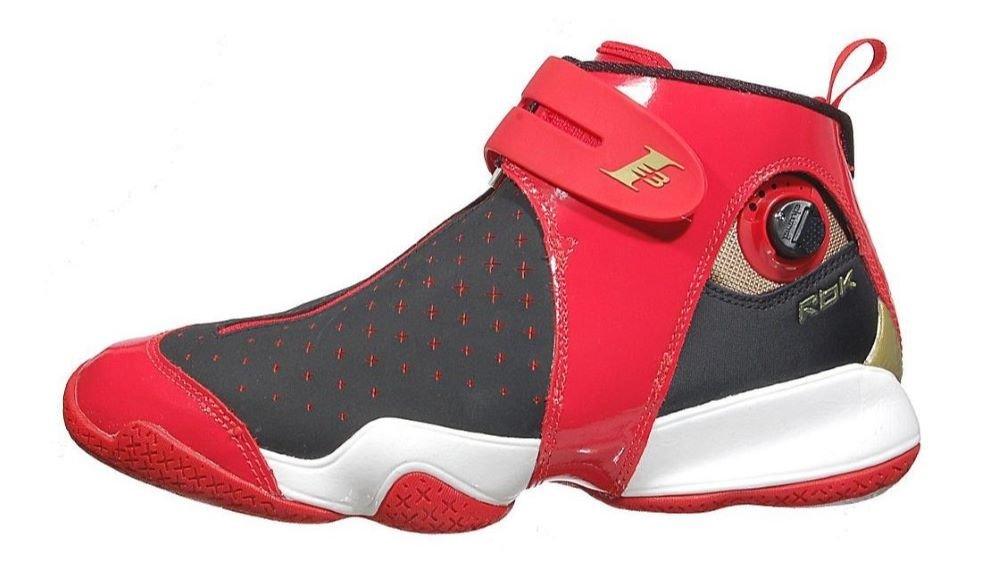
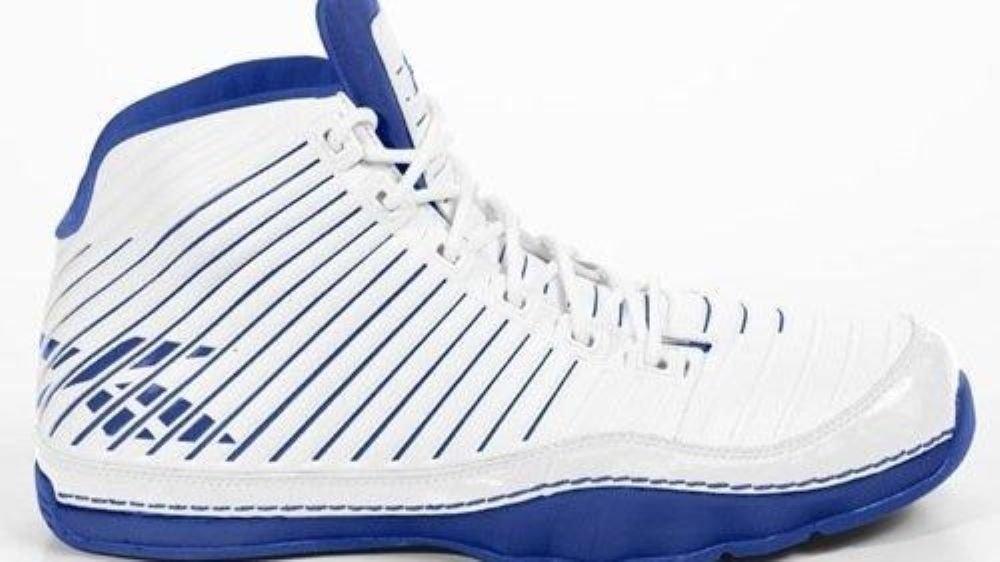
By the time 2007 rolled around, Iverson was thriving on the court again with the Nuggets, starting every game in his first full season. This comeback inspired the Answer 11, with a thematic "split personality" design that featured an asymmetrical collar and forefoot strap, symbolizing the rocky road to legend status.


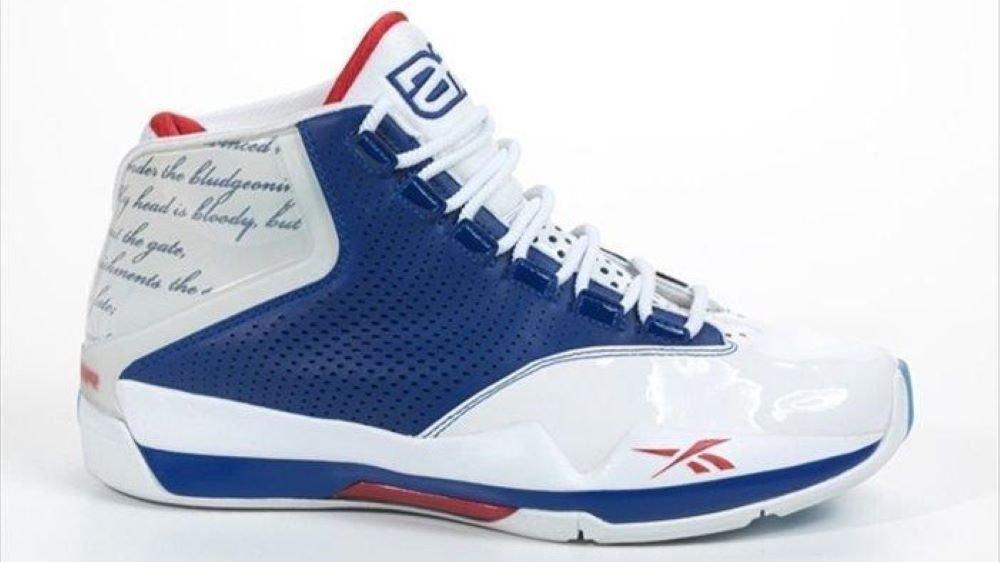
2008 brought yet another shakeup in Al's career, with an abrupt trade to the Pistons and a jersey number swap. Now literally Number 1 on the court, Iverson helped release the Answer 12 in the same year. This design showed off street-art heel graphics, which quickly became a collector's item among Reebok apparel lovers for its instantly recognizable look. 


The 2009 Answer 13 capped the series by bringing back the Hexride forefoot cushioning with an edgy, vented black and red color scheme. While Iverson's stint with the Grizzlies at this time lasted just three games, his impact on the Reebok brand and sneaker culture is undeniably relevant to this day. 

Retro Era & Modern Revival

Allen Iverson retired from the NBA in 2010. After this point, Reebok shifted their partnership to retro re-releases to capitalize on the all-star's enduring legacy, starting with hybrid models like the 2013 Q96. This modern reinterpretation of the original Question upgrades the original design with a fun orange, white and blue color scheme and a sleek netted upper for comfortable all-day wear. 


The 2014 Answer 14 marked the line's final original drop, finishing out the collection with a classy black leather design that pairs effortlessly with 2010's streetwear styles. 


By the 2020s, Reebok ramped up re-releases amid a sneaker culture resurgence fueled by '90s nostalgia. The Question Mid saw anniversary editions like the 2020 "Red Toe" 25th anniversary edition, the first version of the classic design to include suede stylings. 


The Answer series revived with 2024's Answer IV OG and multiple Answer III drops, including a 2025 AI Pack tied to Iverson's docu-series, with football-inspired colorways. This resurgence taps into Iverson's rebellious aura, drawing in new fans even if he's no longer dominating on the court. 

Iverson’s Enduring Influence on Hoops, Style & Sneaker Culture

While everyone is now familiar with athlete influencers, this wasn't a concept that existed when Allen Iverson began partnering with Reebok in the '90s. Iverson literally changed the way fashion and basketball shoes are marketed, and it isn't an exaggeration to call him one of the first influencers ever. 


At the heart of his impact is an unparalleled ability to bridge the gap between elite athletic functionality and street-level authenticity. Allen Iverson shoes were some of the first to blend high performance with cultural relevance, allowing athletes to express themselves on the court without stalling their game. 


But Allen Iverson basketball shoes aren't only aspirational for players — they caught the attention of an entire generation immersed in hip-hop and urban life. 


Iverson also pioneered a new era by securing a signature shoe line as a rookie in 1996, a risky move for Reebok that paid off almost as soon as the signature shoes hit the shelves. Unlike the era's polished superstars, Iverson's appeal lay in his raw, relatable edge. His cornrows, tats and a casual Philly swagger challenged norms and connected with underserved urban youth. This shifted branding strategies toward cultural resonance over conformity, influencing modern deals for players like Kyrie Irving.

Where To Shop Classic And Retro Iverson Shoes Today

Today, Iverson remains deeply connected to the Reebok brand, with new basketball shoes and colorways dropping regularly. Ready to add retro '90s flair to your wardrobe? Explore designs like the Question and Answer with Hibbett, your top source for retro fit checks in 2026 and beyond.