




Nov 5, 2026
Mules vs slippers: which easy-on shoe wins? Compare design, support, and durability to find the perfect pair for lounging or running errands.
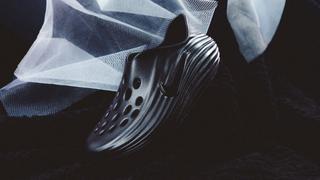
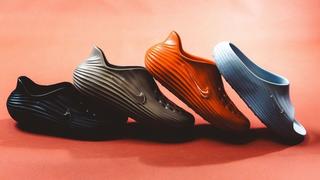
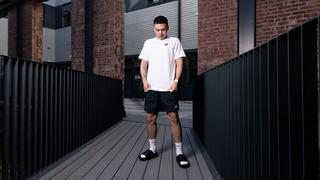
Men’s recovery shoes and slides give you a change of footwear after training, games or a long day in sneakers. Explore the category at Hibbett with your routine in mind: an easy slip-on for the ride home, an adjustable slide for changing your fit or a covered style for casual wear.
Start with where you’ll wear your pair. A slide that works for relaxing at home may not offer the coverage or secure fit you want for errands.
Softness is one part of comfort. Footbed shape, upper fit and the way the sole flexes also influence whether a pair feels right when you walk.
A contoured footbed has shaping beneath the foot rather than a flat surface. Pay attention to where the arch contour meets your foot and whether the heel sits comfortably in its recess. More noticeable shaping isn’t automatically a better match.
Check the product description for foam materials and any named cushioning technology. Different constructions can feel different underfoot, so avoid choosing solely by sole thickness or assuming every recovery slide uses the same foam.
The strap matters, too. A fixed band offers a simple fit, while an adjustable closure lets you change how closely the upper sits across your foot. Examine outsole details independently: cushioning describes the feel underfoot, while traction information helps you assess the surfaces a shoe is intended for.
Compare constructions within a brand before choosing by appearance. If a brand offers both fixed-band and adjustable slides, the useful distinction is how much control you have over the upper fit. Likewise, compare its open and covered styles according to where you’ll wear them.
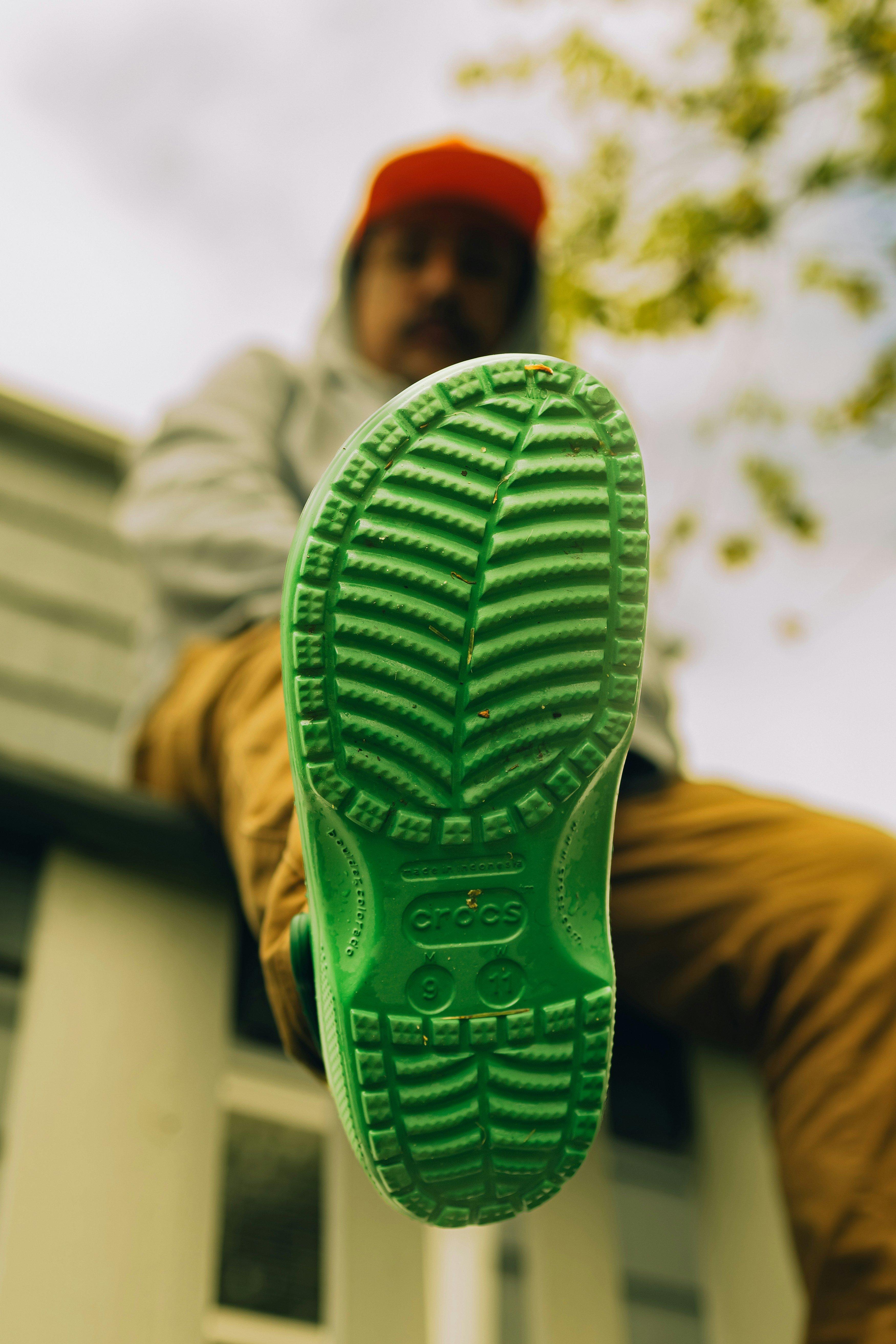
Across brands, use the same checklist: footbed contour, closure, toe coverage and documented outsole construction. One brand’s recovery label doesn’t guarantee the same fit or cushioning as another’s. Nike, Crocs, adidas, and Reebok recovery shoes all have unique features; Compare individual product descriptions instead of treating every slide as interchangeable. And always check the sale section for some of your favorite brands at Hibbett’s great prices.
For a gym bag, straightforward access may take priority. For casual outings, coverage and heel retention may matter more. If your plans involve extended walking, compare walking-focused men’s shoes before committing to an open slide.
Your heel and toes should sit within the footbed without hanging over the edges. The upper should hold comfortably without pinching or requiring you to curl your toes to keep the shoe on.
Try your pair with the crew socks or bare feet you intend to wear them with. Walk a few steps and check for excessive sliding, rubbing or pressure beneath the arch. Use the specific product’s sizing guidance rather than assuming your sneaker size transfers across every brand.
Choose men’s recovery footwear at Hibbett by matching the fit and construction to your downtime routine.
They should allow comfortable room without excessive movement. If your foot slides forward or you have to grip with your toes, reassess the size or upper fit. Extra length won’t necessarily solve a width issue.
Choose footwear designed for your workout. Open slides generally lack the secure enclosure needed for running, lifting or quick changes of direction. Keep your activity shoes available for the session itself.
Check the specific model’s care and intended-use information. A molded appearance doesn’t confirm shower suitability, drainage or wet-surface traction. Choose footwear explicitly designed for that environment.
Follow the manufacturer’s instructions for the exact materials. Don’t assume every pair is machine-washable or dryer-safe. Check cleaning and drying directions before using heat, detergent or a brush.
Inspect them for worn tread, cracked soles, damaged straps or a footbed that feels uneven. Replace a pair when wear changes its fit or function rather than relying on a fixed replacement schedule.
Nov 5, 2026
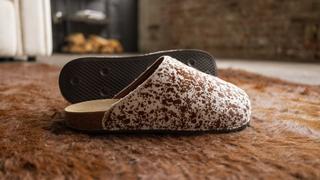
Mules vs slippers: which easy-on shoe wins? Compare design, support, and durability to find the perfect pair for lounging or running errands.
Oct 22, 2026
Looking for the perfect holiday travel outfits? Explore 5 'First Class Casual' formulas for flights and road trips that blend comfort with style.
Jul 29, 2026
Ready to level up your post-game? Learn why recovery footwear like the Nike Rejuven8 is essential for athletes and trendsetters. Shop at Hibbett.
Jun 10, 2026
Ditch the laces. Explore the best slip-on sneakers for men that balance effortless style with all-day comfort. See our top picks for easy everyday use
May 14, 2026
Looking for fire kicks that actually fit? Discover the best shoes for wide feet from New Balance, Hoka, and Nike at Hibbett. Style meets comfort here.
Dec 18, 2025
Step into timeless comfort with mule shoes that blend laid-back ease and modern style. The perfect shoe for dressing up or keeping it casual.
Aug 13, 2025
Discover how to rock slides with socks this back-to-school season with easy, stylish tips perfect for students who want comfort and cool vibes.
May 10, 2025
From polarizing fashion staple to comfort icon, discover the surprising rise of Crocs and their journey through pop culture with Hibbett.