






Baseball Pullovers
Browse Baseball Pullovers for versatile layers designed to complement game-day outfits, training gear and everyday team apparel. Explore the available selection of styles, colors and sizing options to find a comfortable layer for cool weather, pregame wear or cheering from the stands.
Refine Your Results By:
0 Results
-
A white pullover hoodie featuring chenille Atlanta Braves detailing and a front pouch pocket.
-
Pro Standard Men's MLB Seattle Mariners Retro Classic Fleece Pullover Hoodie - Eggshell/Royal
(0)Standard Price $120A midweight eggshell and royal pullover hoodie with embroidered details, perfect for moderate temperatures.
-
Pro Standard Men's MLB Philadelphia Phillies Retro Mashup Rib Pullover Hoodie - Wine
(0)Standard Price $130A wine pullover hoodie featuring Phillies and league logos, mid-weight brushed-back French terry, and a relaxed fit.
-
Pro Standard Men's MLB San Diego Padres Neutral Drop Shoulder Pullover Hoodie - Dk Taupe
(0)Standard Price $110A dark taupe cotton pullover hoodie featuring drop shoulders and official San Diego Padres branding.
-
Pro Standard Men's MLB San Diego Padres Neutral Drop Shoulder Pullover Hoodie - Dk Grey
(0)Standard Price $110A soft cotton pullover hoodie featuring a drop-shoulder fit, lined hood, long sleeves, and San Diego Padres graphics.
-
Pro Standard Men's MLB Chicago White Sox Old English Pullover Hoodie - Black
(0)Standard Price $130A black 100% cotton pullover hoodie featuring Chicago White Sox team marks and a relaxed fit.
-
Pro Standard Men's MLB San Diego Padres Neutral Drop Shoulder Pullover Hoodie - Taupe
(0)Standard Price $110A taupe, 100% cotton pullover hoodie featuring a drop-shoulder cut and lined hood for Padres pride.
-
Pro Standard Men's New York Yankees Classic Chenille DK Full-Zip Pullover Jacket - White
(0)Standard Price $120A white full-zip pullover jacket featuring New York Yankees logos, 3D satin stitch embroidery, and chenille patches.
-
Pro Standard Men's MLB Philadelphia Phillies Old English Pullover Hoodie - Wine
(0)Standard Price $130A wine cotton pullover hoodie featuring Philadelphia Phillies marks, relaxed fit, lined hood and long sleeves.
-
Pro Standard Men's MLB Philadelphia Phillies Neutral Drop Shoulder Pullover Hoodie - Taupe
(0)Standard Price $110A taupe, 100% cotton pullover hoodie with a lined hood and drop-shoulder design showcasing Phillies pride.
-
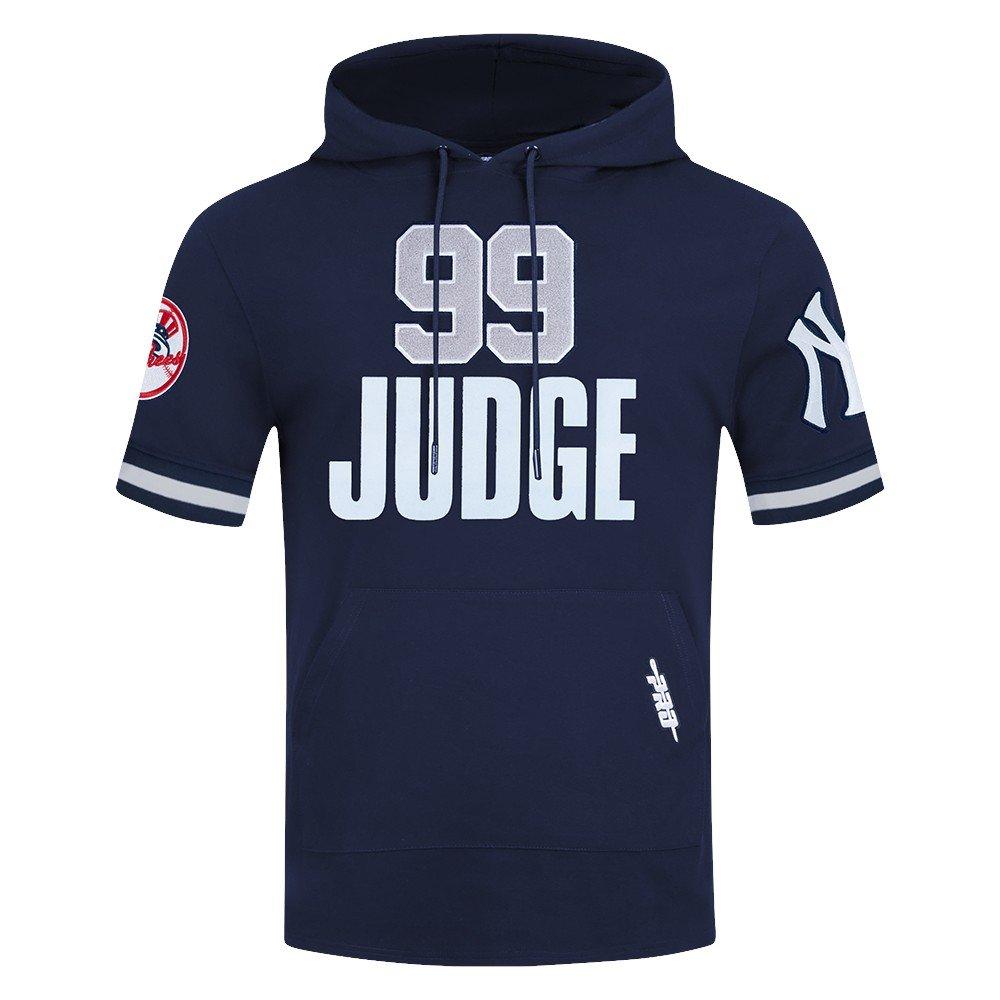
A navy short sleeve pullover hoodie featuring Yankees graphics and durable double-knit cotton construction.
-
Pro Standard Men's MLB Los Angeles Dodgers Neutral Drop Shoulder Pullover Hoodie - Dk Taupe
(0)Standard Price $110A dark taupe cotton pullover hoodie featuring drop shoulders and official Los Angeles Dodgers branding.
-
Pro Standard Men's MLB Los Angeles Dodgers Neutral Drop Shoulder Pullover Hoodie - Black
(0)Standard Price $110A black 100% cotton Los Angeles Dodgers pullover hoodie featuring drop-shoulder styling and a lined hood.
-
Pro Standard Men's MLB Chicago Cubs Classic Chenille Short Sleeve Pullover Hoodie
1 (1)Standard Price $90A blue short sleeve pullover hoodie featuring chenille Chicago Cubs details and striped accents.
-
Pro Standard Men's MLB Arizona Diamondbacks Classic Chenille Short Sleeve Pullover Hoodie
(0)Standard Price $90A short sleeve pullover hoodie featuring chenille team graphics and striped details in white and black.
-
Pro Standard Men's MLB Los Angeles Dodgers Script Tail Rib Fleece Pullover Hoodie - Black/Blue
(0)Standard Price $100A fleece pullover hoodie with a lined hood, pouch pocket, relaxed fit and Los Angeles Dodgers graphics.
-
Pro Standard Men's MLB New York Mets Retro Classic Pullover Hoodie - Eggshell
(0)Standard Price $120A retro-inspired eggshell pullover hoodie featuring striped details and a front pouch pocket for Mets fans.
-
Pro Standard Men's MLB Los Angeles Dodgers Script Tail Rib Fleece Pullover Hoodie - Blue
(0)Standard Price $100A blue cotton fleece hoodie with a lined hood and pouch pocket showcasing Los Angeles Dodgers.
-
A brown drop shoulder pullover hoodie featuring Atlanta Braves graphics and a front pouch pocket.
-
Pro Standard Men's MLB Detroit Tigers Neutral Drop Shoulder Pullover Hoodie - Black
(0)Standard Price $110A black cotton pullover hoodie featuring Detroit Tigers graphics, drop-shoulder construction, and a lined hood.
-
Pro Standard Men's MLB Los Angeles Dodgers Neutral Drop Shoulder Pullover Hoodie - Dk Grey
(0)Standard Price $110A dark grey, 100% cotton pullover hoodie with a hood and drop-shoulder design for Dodgers fans.
-
A heavyweight cotton fleece hoodie featuring a relaxed drop-shoulder fit and official Los Angeles Dodgers graphics.
-
A brown drop shoulder pullover hoodie featuring a front pouch pocket and official New York Mets branding.
-
Pro Standard Men's Chicago White Sox Classic Chenille DK Full-Zip Pullover Jacket - Black
(0)Standard Price $120A black full-zip pullover jacket with Chicago White Sox logos and 3D satin stitch embroidery.




Baseball Pullovers
Fabric helps determine whether a pullover feels crisp and lightweight, smooth and flexible, or soft with more substance. Polyester is common in athletic apparel because it is generally durable and dries relatively quickly, though moisture management depends on the fabric construction and any treatments used. Polyester blends can combine those practical qualities with a softer feel, while cotton-rich fleece offers a familiar sweatshirt texture that works well for casual wear and lower-intensity activities. Cotton tends to hold moisture longer than many synthetic fabrics, a difference worth considering for repeated drills or a long practice session. Brushed interiors feel soft against the skin, while smooth-backed knits can slide more easily over a base layer. Woven shells often have a more structured feel, and some include ventilation panels or mesh sections to help air circulate. Neither a woven finish nor a synthetic fiber automatically means water resistance; that feature depends on the garment’s stated construction. Stretch fibers can add give through the shoulders, arms, and torso, but a flexible fabric still needs the right cut. Raglan sleeves, underarm panels, and carefully placed seams can make a noticeable difference when reaching, rotating, or lifting both arms. Fit is especially important when the pullover will go over a practice shirt or uniform top. Enough room for that layer should not leave excessive fabric hanging near the hands or folding around the waist. Checking chest and sleeve measurements against a size chart is more dependable than assuming every athletic cut fits alike. A relaxed fit can be comfortable for travel and everyday wear, while a closer athletic fit may feel less intrusive during drills. Youth sizing deserves the same attention: extra growing room is useful only when the sleeves and hem remain manageable. Seams should lie comfortably without rubbing beneath the arms, and a zipper should not press awkwardly against the neck when fully closed. Small details such as a zipper guard, secure pocket closures, and cuffs that retain their shape can influence how often a layer gets worn.
A useful Baseball wardrobe leaves room for different routines, whether that means early batting-cage appointments, after-school practice, weekend travel, or watching from the stands. Players may prefer an uncomplicated training layer with minimal bulk, while coaches and family members may appreciate pockets, a relaxed cut, or a familiar sweatshirt feel. For shoppers who prefer an attached hood and a more casual silhouette, Baseball Hoodies offer another option for travel days, downtime, and everyday wear. When choosing a gift, knowing the recipient’s usual size, preferred neckline, and typical use is more helpful than guessing based on appearance alone. Someone who spends hours taking swings may value shoulder mobility above a roomy front pocket; someone who wears athletic clothing to class or while running errands may put softness and easy layering first. Durability also comes down to more than fabric weight. Reinforced stress points, even stitching, securely attached closures, and resilient cuffs help a garment handle repeated wear, though abrasion from rough benches, equipment bags, and hook-and-loop fasteners can still leave marks. Care habits matter just as much. The garment’s care label is the starting point, especially when a piece combines different fabrics, printed graphics, or bonded details. Closing zippers before washing can reduce snagging, and turning decorated garments inside out can help limit friction against the surface. Fabric softener can interfere with some moisture-managing finishes, so it is worth checking the care directions before adding it. Heavy dryer heat may affect stretch fibers, finishes, or graphics; use the drying method specified on the label rather than treating every pullover like a basic cotton sweatshirt. Letting a damp practice layer dry before leaving it in a bag helps prevent lingering odors. With a comfortable cut, suitable fabric, and consistent care, a pullover can become a dependable part of the routine from the first set of throwing drills to the ride home.
FAQ
Baseball pullovers are lightweight tops designed for layering before, during or after baseball activities. They typically feature a quarter-zip or pullover construction, a relaxed athletic fit and team-inspired details.
Look for comfortable fabric, breathable panels, a flexible fit and details such as a quarter-zip neckline, ribbed cuffs or a kangaroo pocket. Team logos, contrast piping and color-blocked designs can also add authentic baseball style.
Pair a baseball pullover with joggers, athletic pants or jeans for a casual game-day look. Complete the outfit with a baseball cap and coordinating sneakers, or layer the pullover over a T-shirt when the temperature changes.
Baseball pullovers work well for practices, warmups, travel days, watching games and everyday casual outfits. Their versatile design makes them a dependable layer for cool mornings and evenings.
Follow the garment's care label for washing and drying instructions. In general, turning the pullover inside out before washing can help protect printed graphics and embroidered details, while air drying can help maintain its shape.
Shop Top Shoe Styles
Nike Air Force 1 | Nike Air Max | Nike Air Max Moto | Nike Air Max 90 | Nike Air Max 95 | Nike Dunks | Nike Lebron | Nike P-6000 | Nike VaporMax | Nike Vomero Plus | Nike Vomero 18 | Nike Vomero 5 | Nike Pegasus Premium | Nike Pegasus | Nike Shox | Saucony Shadow | UGG Boots | On Cloudmonster | On Cloudnova 2 | On Cloudtilt | On Cloudswift | Asics Running | adidas Samba | adidas Gazelle | adidas Handball Spezial | New Balance 1906 | New Balance 9060 | New Balance 2002R | New Balance 480 | Jordan Retro | Air Jordan 1 | Air Jordan 3 | Air Jordan 4 | Air Jordan 5 | Air Jordan 11 | Air Jordan 12 | Air Jordan 13 | Hoka Clifton | Hoka Bondi | Timberland Boots

