


Basketball Equipment For Beginners
Getting started with the game is easier with Basketball Equipment For Beginners, including essential gear for practice, play and everyday training. Browse a selection of basketballs, accessories and supportive equipment to help new players find the right fit for their needs.
Refine Your Results By:
0 Results
-
A durable indoor basketball with a microfiber composite leather cover and high-definition pebbling for superior grip.
Pros: High quality, Superior grip, Great feel, Excellent performance, Durable material
-
A brown intermediate basketball with high-definition pebbling and exclusive microfiber composite leather cover.
Pros: High quality, Great grip, Durable, Perfect for indoor use, Excellent bounce
-
A bold black basketball shoe featuring a durable synthetic upper, BOOST+ cushioning, and grippy rubber outsole.
Pros: Stable low-to-the-ground feel, Attractive design, Excellent grip and traction, Durable construction, Comfortable cushioning
-
An optimally balanced, super soft core basketball in Electric Orange for enhanced control and visibility on the court.
Pros: Perfect for practice, High quality, Enhanced control, Great grip, Quick bounce
-
An optimally balanced, electric orange basketball with super soft core and enhanced moisture management for better control.
Pros: Lightweight and easy to handle, Improves shooting performance, Excellent grip and feel, Stands out with vibrant color, High quality and durable
-
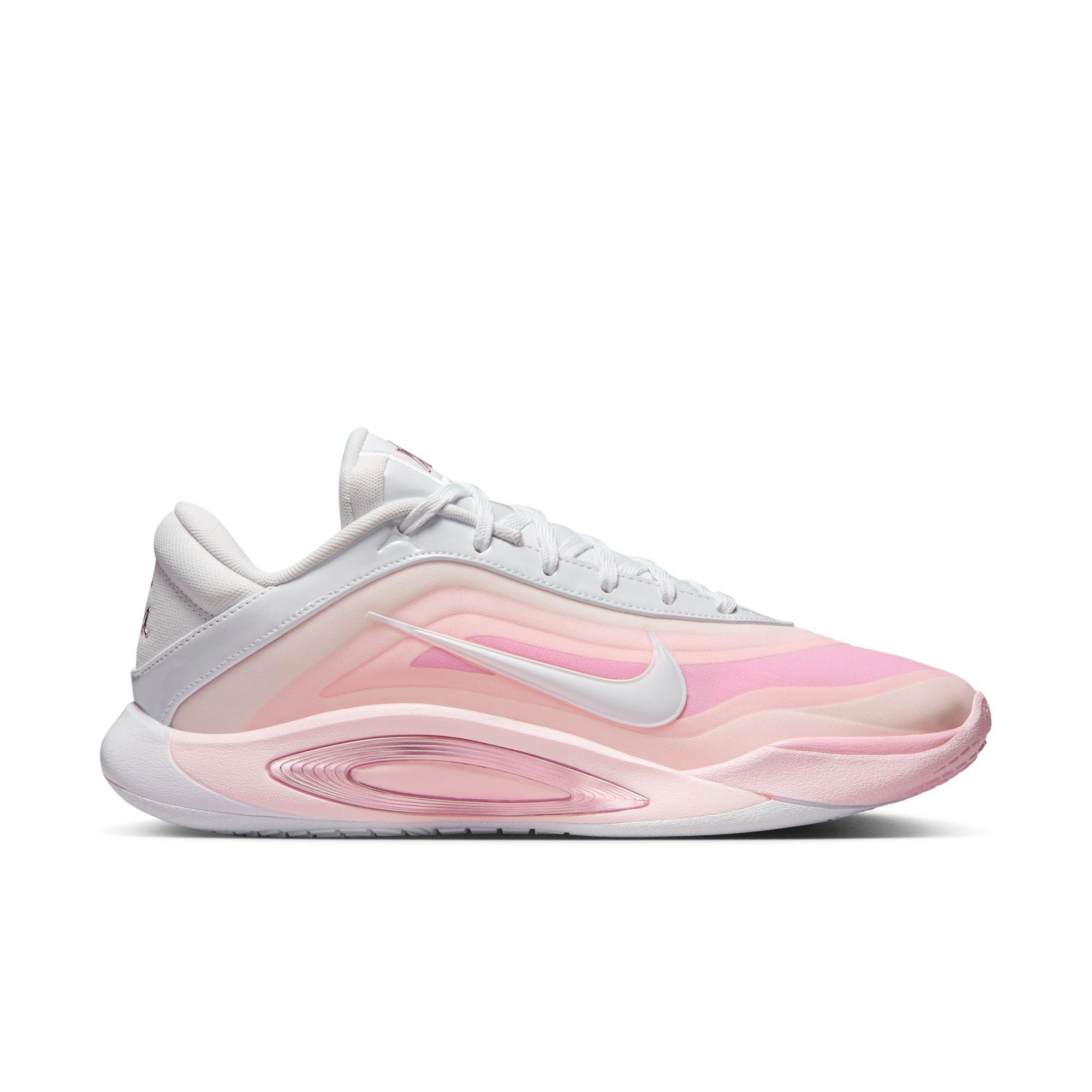
A white-and-pink basketball shoe with responsive cushioning, breathable mesh, secure support, and micro-tuned traction.
Pros: Good traction, True to size fit, Comfortable cushioning, Attractive color options, Lightweight design
-
adidas Originals Intimidation Low "Preloved Blue" Men's Basketball Shoe
4.5955057 (145)Standard Price $130 Sale Price $73.98A bold '90s-inspired basketball shoe featuring a breathable blue synthetic and textile upper with durable traction.
Pros: Versatile style, Great price, Attractive color options, Comfortable fit
-
A black 32-liter polyester backpack with basketball storage, shoe compartment, laptop sleeve, and padded shoulder straps.
Pros: Attractive design, Very comfortable, Excellent laptop protection, Plenty of pockets, High quality construction
-
adidas Anthony Edwards 2 "Lucid Orange" Grade School Kids' Basketball Shoe
4.814815 (81)Standard Price $100 Sale Price $82.98A vibrant orange basketball shoe with a breathable textile-synthetic upper, responsive cushioning, and non-marking rubber traction.
Pros: Improved court feel, Stylish design reminiscent of Yeezy basketball shoes, Receives compliments, High quality construction
-
Nike A'One "Volt" Grade School Kids' Basketball Shoe
4.4025974 (77)Standard Price $92 Sale Price $77.98A white basketball shoe featuring breathable mesh, Cushlon 3.0 foam, supportive midfoot band and micro-tuned traction.
Pros: Fits well for narrow feet, True to size, Bright and vibrant design, Lightweight construction, Provides good ankle support
-
A white and multi-colored basketball featuring Evo NXT technology, enhanced grip, and moisture-wicking composite leather.
Pros: Unique and collectible design, Great feel and quality, Strong brand and player association, Appealing graphics and aesthetics, Vibrant and beautiful colors
-
A durable black basketball with deep channels and a soft-touch exterior for all court types.
Pros: Value for money, Great grip, Premium quality, Durable, Good for indoor and outdoor use
-
A premium black basketball with textured channels and soft touch composite for optimal grip and control.
Pros: Handles sweat well, Excellent grip, Premium quality and feel, Consistent bounce, Soft and durable leather
-
Wilson NBA Authentic Indoor/Outdoor 28.5" Basketball
4.181818 (22)Standard Price $45.99 Sale Price $24.98An indoor/outdoor basketball featuring a durable Pure Feel cover and consistent Ever Bounce construction.
Pros: Great feel and control, High quality and worthwhile investment, Durable construction, Consistent bounce and shooting, Performs well indoors and outdoors
-
An orange and white 28.5" basketball with a composite leather cover for indoor and outdoor play.
-
A brown microfiber composite leather basketball with cushion core and pebbled channels for superior indoor control.
-
A durable black basketball with deep channels and a soft-touch exterior for all court types.
-
Nike Sabrina "Me vs. Me" Grade School Kids' Basketball Shoe
4.3333335 (12)Standard Price $102 Sale Price $87.98A lightweight white-and-grey basketball shoe with breathable mesh, supportive side cables, and grippy rubber traction.
-
Nike Sabrina 3 "Walnut" Grade School Kids' Basketball Shoe
4.3333335 (12)Standard Price $112 Sale Price $92.98A breathable mesh basketball shoe with responsive cushioning, reinforced stitching, and durable rubber traction for confident court movement.
-
Nike Sabrina 3 "Pink Oxford" Grade School Kids' Basketball Shoe
4.3333335 (12)Standard Price $102 Sale Price $87.98A pink basketball shoe with breathable support, responsive cushioning, and multidirectional traction for confident young athletes.
-
A durable rubber basketball with deep channels for control, ideal for outdoor playground use.
-
An orange basketball with dual depth technology and a microfiber eco cover for optimal performance.
-
adidas Believe That 1 J "Core Black/Iron Metallic/Core Black" Grade School Boys' Basketball Shoe
4.6666665 (6)Standard Price $80A black basketball shoe featuring Dreamstrike cushioning, non-marking rubber outsole, and a supportive textile lining.
-
An orange eight-panel basketball featuring deep channels and a tacky rubber-synthetic leather surface for control.




Basketball Equipment For Beginners
Basketball Equipment For Beginners can make those first practices more comfortable, organized and enjoyable, whether the player is learning in a driveway, joining a school team or heading to a local recreation league. Starting with dependable essentials helps new players focus on building coordination, confidence and good habits. Look for equipment that suits the player’s age, height and playing environment, with comfortable fits, secure construction and materials that can handle regular practice. A beginner’s setup should feel approachable rather than overwhelming, giving players what they need to work on dribbling, passing, shooting and footwork at their own pace.
When choosing Basketball Equipment For Beginners, consider how and where it will be used. Outdoor sessions call for gear that can handle concrete, changing weather and frequent trips to the park, while indoor practices may place more importance on comfort, easy storage and league requirements. Sizing matters, too. Younger players often benefit from equipment designed for smaller hands and developing strength, while older beginners may prefer options closer to standard game specifications. Apparel and accessories should allow comfortable movement without distractions, and protective essentials should fit securely so players can concentrate on learning instead of making constant adjustments.
This assortment is also a thoughtful choice for a young athlete discovering a new interest or a family putting together its first practice setup. A few well-chosen essentials can turn an open patch of driveway into a regular training space, where a player learns to control the ball through repeated drills, celebrates a first clean shot and gradually becomes more comfortable on the court. Coaches, parents and teammates can use beginner-friendly equipment to support simple skill-building activities, from passing games to movement exercises. Choosing practical, properly sized gear helps make practice feel rewarding from the beginning and gives new players the confidence to keep showing up, putting in the work and enjoying Basketball.
FAQ
A beginner's basic setup can include a Basketball, athletic shoes, comfortable practice clothing, socks, and a pump with a needle. A small bag can keep everything organized for practices and games.
Look for a Basketball designed for the setting where you plan to play, such as indoor courts, outdoor courts, or both. Indoor Basketballs typically use a softer feel, while outdoor options are made with durable materials for pavement and concrete.
Choose breathable tops, athletic shorts or pants, supportive socks, and Basketball Shoes that allow comfortable movement. Team colors, graphic designs, and moisture-managing fabrics can also add personal style to a practice outfit.
Helpful accessories include a ball pump, extra pump needles, a water bottle, a drawstring bag or backpack, and a towel. A notebook can also help beginners track drills, goals, and practice notes.
Keep frequently used items together in one Basketball bag. Store the ball separately from clothing when possible, place small accessories in interior pockets, and air out apparel and shoes after practice before putting them away.
Related Pages
Volleyball Equipment For Beginners | Soccer Equipment For Beginners | Baseball Equipment For Beginners | Football Equipment For Beginners | Basketball Gear For Youth | Basketball Equipment for Schools | Training Gear For Basketball | Football Accessories For Beginners | Basketball Equipment | Balls, Hoops & Training Gear | Girls Basketball Equipment | Balls, Hoops & Training Gear
Shop Top Shoe Styles
Nike Air Force 1 | Nike Air Max | Nike Air Max Moto | Nike Air Max 90 | Nike Air Max 95 | Nike Dunks | Nike Lebron | Nike P-6000 | Nike VaporMax | Nike Vomero Plus | Nike Vomero 18 | Nike Vomero 5 | Nike Pegasus Premium | Nike Pegasus | Nike Shox | Saucony Shadow | UGG Boots | On Cloudmonster | On Cloudnova 2 | On Cloudtilt | On Cloudswift | Asics Running | adidas Samba | adidas Gazelle | adidas Handball Spezial | New Balance 1906 | New Balance 9060 | New Balance 2002R | New Balance 480 | Jordan Retro | Air Jordan 1 | Air Jordan 3 | Air Jordan 4 | Air Jordan 5 | Air Jordan 11 | Air Jordan 12 | Air Jordan 13 | Hoka Clifton | Hoka Bondi | Timberland Boots