Basketball Equipment for Schools

More touches. More reps. More chances to build confidence. Get PE classes and school teams ready with indoor and outdoor Basketballs, plus duffel bags for practice-day essentials. Hibbett helps you choose by court surface, ball size and carrying needs, so you can spend less time sorting gear and more time teaching the game.

Read More

Indoor Basketballs for Gym Sessions

Shop All

Outdoor Basketballs for Playground Practice

Shop All

Duffel Bags for Practice and Away Games

Shop All

Basketball Equipment for Schools

A dedicated gym, a shared activity room and an outdoor play area place different demands on athletic gear. For PE classes, team practices and after-school programs, useful equipment supports the students’ age, the playing surface and the way the space operates throughout the day. A full class rotating through passing stations needs different quantities and sizes than a varsity team working through a focused practice. Permanent wall- or ceiling-mounted Basketball systems require suitable structural support, professional installation and appropriate clearance. Portable systems offer flexibility in multipurpose spaces, but their bases, movement procedures and storage needs deserve just as much attention as their adjustability. Protective padding around designated support structures can also be important, depending on the facility and its requirements. For everyday play, the ball’s cover material makes a noticeable difference. Rubber covers generally stand up well to abrasive outdoor surfaces and frequent recreational use. Composite covers vary by construction: some are intended for indoor courts, while others are rated for indoor and outdoor play. Traditional leather covers are typically intended for indoor use and may need a break-in period. Surface texture and channel depth affect how the ball feels during a pass, a controlled dribble or a shot from the free-throw line. Size matters, too. A smaller, lighter ball can help younger students develop control without forcing awkward movement. Common sizes include size 5 at approximately 27.5 inches in circumference, size 6 at 28.5 inches and size 7 at 29.5 inches. Size 6 is standard for women’s and girls’ regulation play, while size 7 is standard for men’s and boys’ regulation play; youth requirements vary by age and program. School or league rules provide the final reference. Having appropriate sizes within a shared collection helps students practice with equipment that suits their hands and strength rather than simply using whatever an older team uses.

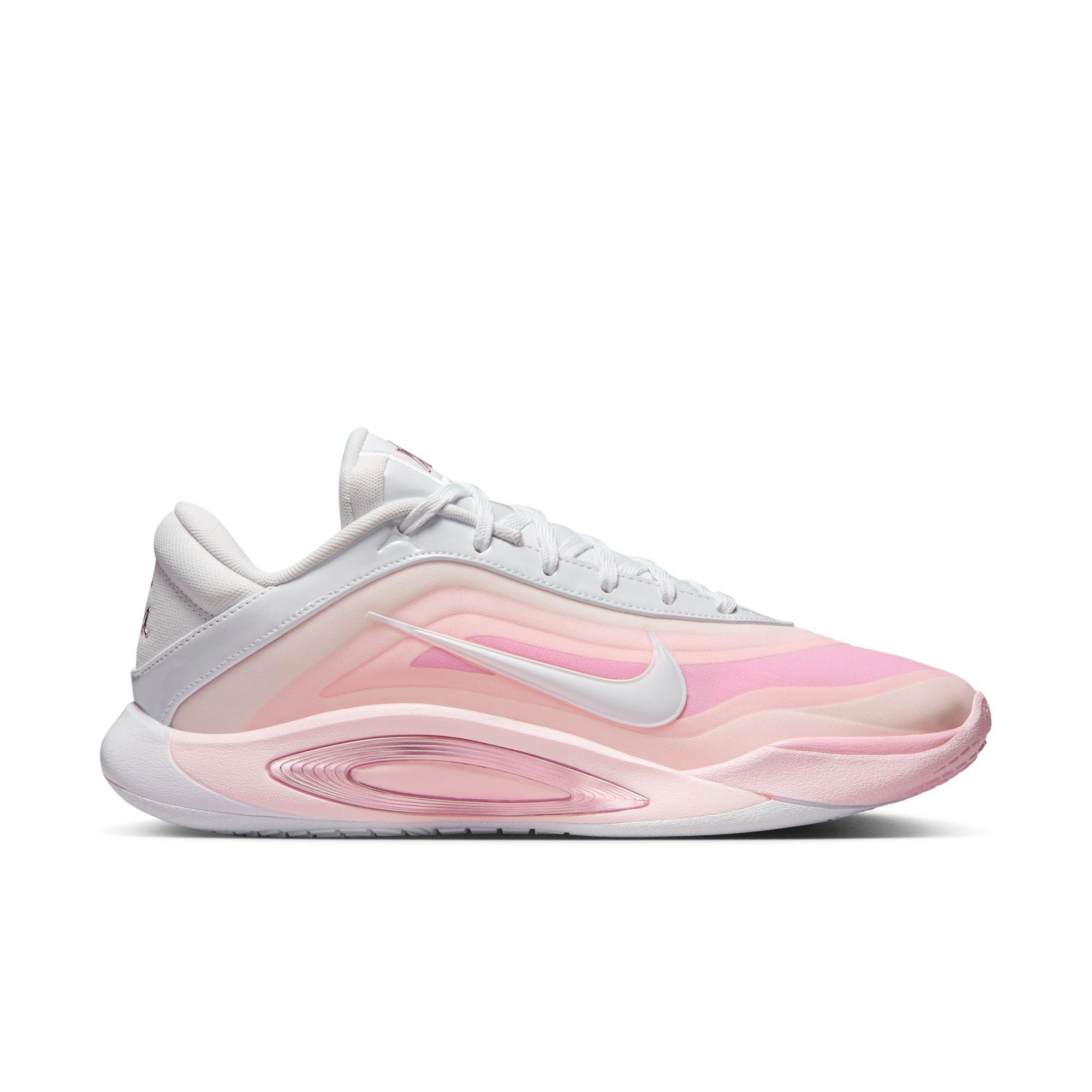
Comfort and movement matter across the rest of the collection, especially when students go from classroom desks to defensive slides in a matter of minutes. Athletic Shoes intended for Basketball typically combine court traction, cushioning and support for repeated stops and changes of direction. A secure heel, comfortable midfoot and enough room for the toes help create a stable fit without unnecessary pressure. Excessively roomy footwear can allow the foot to move inside the shoe, while a tight fit may become uncomfortable during activity. School court policies may also require non-marking outsoles. Breathable clothing with comfortable seams gives students room to reach, bend and run, and moisture-managing fabrics can help keep damp fabric from clinging during active sessions. More fabric or a heavier construction does not automatically mean better performance; the useful choice depends on movement, coverage and repeated laundering. Practice vests help divide a large class into clearly recognizable groups, with distinct colors making transitions easier when several activities share the floor. Flexible floor markers and training cones create visible spaces for dribbling lanes, footwork patterns and passing stations without requiring permanent court markings. Their suitability depends on the surface, the available space and whether students could trip over or slide on them. A good setup leaves room between activities instead of crowding every open corner. For programs introducing basic skills, Basketball Equipment For Beginners offers a related starting point for considering entry-level needs. New players benefit from manageable equipment that lets them concentrate on control and technique, while more experienced students may need regulation specifications for organized team use. Personal protective equipment deserves an individual fit rather than a one-size-fits-all assumption. Mouthguards, for example, need to fit securely and comfortably, and students with braces may require an option recommended by a dental professional. These details help make shared activity more approachable without treating every student’s needs as identical.

Durability becomes especially important when equipment moves from an early PE period to lunchtime recreation and then into an afternoon practice. Repeated handling, hard surfaces and crowded storage areas can wear down materials differently, so construction and care both influence useful life. A textured cover that feels dependable on day one still needs regular checks for splitting, peeling or unusual wear. Inflation also changes the way a ball behaves: too little air can produce a sluggish bounce, while too much can make control more difficult and put unnecessary strain on the construction. The manufacturer’s recommended pressure is a better reference than appearance alone, and a pressure gauge helps take the guesswork out of routine checks. Inflation needles require careful insertion and any lubrication specified by the manufacturer to avoid valve damage. Cleaning methods should follow the material’s care directions; many surfaces tolerate a lightly dampened cloth, but soaking, harsh chemicals and direct heat can cause damage. Equipment that gets wet needs appropriate drying before enclosed storage. Washable practice apparel benefits from attention to care labels, particularly where heat can affect stretch, printed details or fabric performance. Storage is part of the daily experience, too. A ball cart can simplify distribution and collection, while clearly organized bins help keep small training accessories from disappearing beneath larger gear. Carts and storage units need to remain stable, stay clear of exits and avoid obstructing accessible routes. Routine inspections can catch loose hardware, damaged padding, sharp edges or worn components before another class begins. Repairs and adjustments to larger systems belong with qualified staff following the manufacturer’s procedures. For coaches, PE teachers and program coordinators, dependable equipment is less about adding complexity and more about keeping activity moving: students can find the correct size, groups can change stations smoothly and cleanup does not consume the final minutes of class. A thoughtfully maintained collection supports both the student learning a first controlled dribble and the team repeating a familiar drill with purpose.
Read More

FAQs