






Basketball Shoes Under $75
Basketball Shoes Under $75 offer a practical way to browse available styles for practices, games and everyday wear, with options featuring support, cushioning and traction. Compare the current selection by size, colorway and design to find a pair that fits your game and budget.
Refine Your Results By:
0 Results
-
A black basketball shoe with breathable textile support, 3D-printed overlays, responsive Lightstrike cushioning, and multidirectional rubber traction.
Pros: Attractive appearance and style, Great value for the price, Good fit, Comfortable for all-day wear, Excellent traction
-
adidas D.O.N. Issue 7 "Lime Burst" Men's Basketball Shoe
4.7715354 (267)Standard Price $120 Sale Price $68.98A green-and-grey basketball shoe with responsive foam, secure neoprene lockdown, TPU support, and grippy rubber traction.
Pros: Vibrant color, Attractive appearance, Cool design, Good fit, Comfortable to wear
-
adidas D.O.N. Issue 7 "ASW" Men's Basketball Shoe
4.772093 (215)Standard Price $120 Sale Price $68.98A lightweight textile basketball shoe with LIGHTSTRIKEPRO cushioning and rubber traction for explosive, responsive court movement.
Pros: Striking colorway, Good quality, Popular with younger players, Lightweight feel, Well-received as a gift
-
A breathable black-and-pink basketball shoe with responsive cushioning, micro-tuned traction, and secure midfoot support.
Pros: Attractive style, Good performance and traction, Vibrant standout colors, High-quality details, Comfortable fit
-
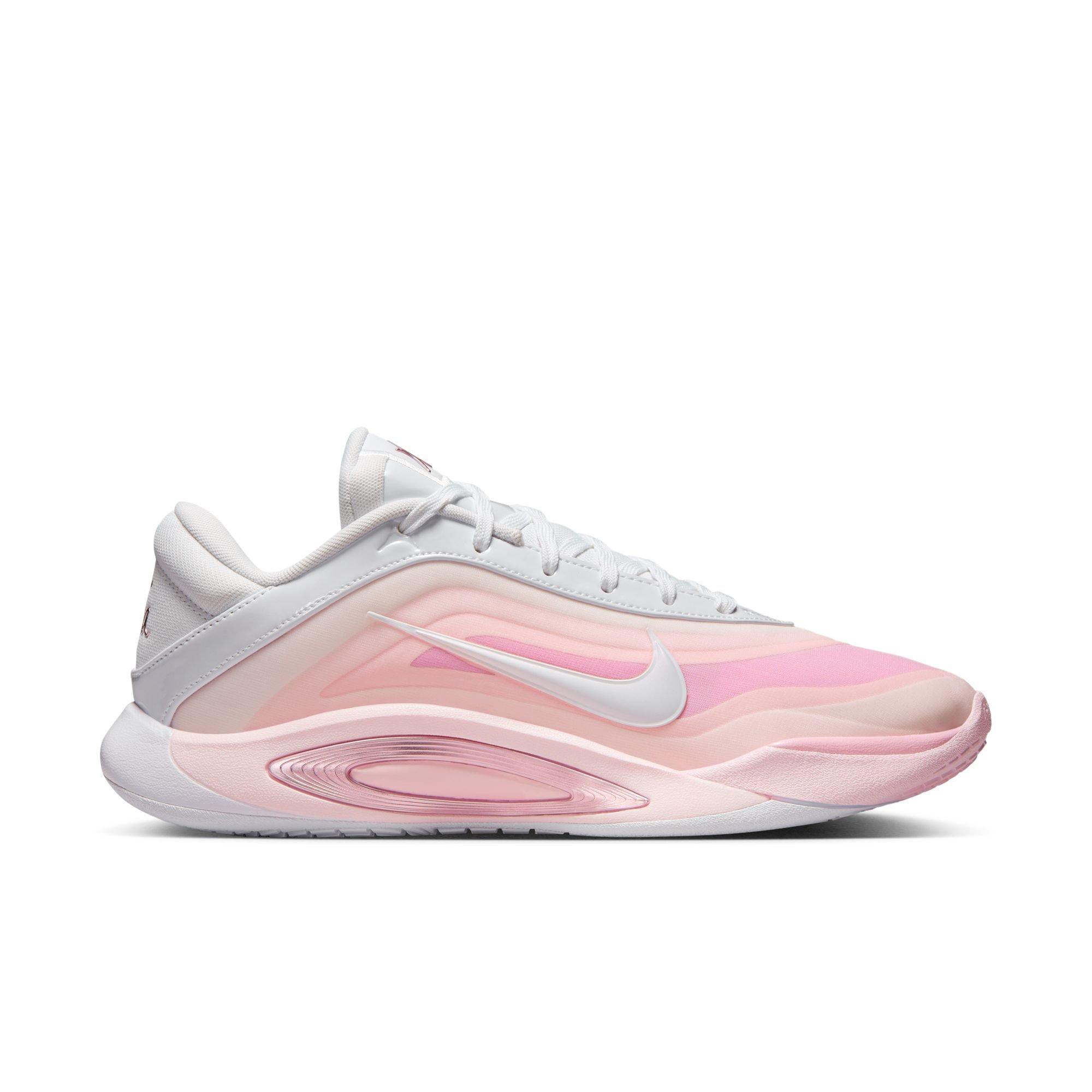
A white-and-pink basketball shoe with responsive foam, breathable mesh, secure midfoot support, and micro-tuned traction.
Pros: Attractive color options, Lightweight design, Breathable material, Stylish appearance, Comfortable fit
-
A white basketball shoe with responsive cushioning, micro-tuned traction, breathable mesh, and secure midfoot support.
Pros: Versatile style, Comfortable cushioning, Cute design
-
Jordan 1 Low "Black/Pink Gaze/White" Grade School Girls' Shoe
4.6363635 (154)Standard Price $90 Sale Price $62.98A leather-synthetic basketball shoe in black, white and pink with responsive cushioning and grippy traction.
Pros: Comfortable for everyday wear, Attractive appearance and stylish design, Good, true-to-size fit, Versatile styling, Appealing color combination and color options
-
adidas Originals Intimidation Low "Preloved Blue" Men's Basketball Shoe
4.5955057 (145)Standard Price $130 Sale Price $73.98A bold '90s-inspired basketball shoe featuring a breathable blue synthetic and textile upper with durable traction.
Pros: Versatile style, Great price, Attractive color options, Comfortable fit
-
Under Armour Jet '23 "Vivid Magenta/Metallic Gold/White" Preschool Girls' Basketball Shoe
4.8545456 (110)Standard Price $55 Sale Price $37.98A durable preschool girls' basketball shoe in vivid magenta with cushioned EVA midsole and superior grip.
Pros: Versatile for running, Attractive appearance, Great for basketball, Kids excited to wear, Comfortable fit
-
adidas Hoops Classic J "Ftwr White/Core Black/Orbit Grey" Grade School Boys' Shoe
4.8607593 (79)Standard Price $55A versatile court-inspired shoe featuring a synthetic upper, comfort collar, and black, white, and grey accents.
Pros: Attractive color scheme, Great quality, Durable construction, Good value for price, Comfortable fit
-
A red basketball shoe with breathable mesh, suede overlays, molded support wings, and responsive cushioning.
Pros: Stylish design, Perfect sizing, Comfortable fit
-
Jordan Heir Series 2 "Pink Blast" Women's Basketball Shoe
4.237288 (59)Standard Price $115 Sale Price $65.98A pink, white, and green synthetic leather basketball shoe with responsive cushioning and grippy traction.
Pros: Excellent grip and traction, Supportive and stable, High-quality materials, Vibrant color and design, Comfortable fit
-
Jordan Spizike Low "Black/Varsity Red/Classic Green/White" Grade School Boys' Shoe
4.4827585 (58)Standard Price $125 Sale Price $72.98A leather and textile low-top shoe with Air cushioning, rubber traction, and bold black, red, green, and white styling.
Pros: Timeless style, Incorporates multiple retro elements, Great design
-
Nike Dunk Low "Obsidian/White/Lt Smoke Grey" Men's Shoe
4.4444447 (54)Standard Price $130 Sale Price $73.98A leather low-top sneaker in white, grey, and obsidian with responsive cushioning and durable rubber traction.
Pros: Soft leather and suede materials, Attractive colorway and appearance, Fast and reasonable delivery, Easy, positive shopping experience, Comfortable fit true to size
-
Nike S.T. Dynamite "Fuchsia Glow/Baltic Blue/Silver/Smoke Grey" Grade School Boys' Basketball Shoe
4.5636363 (55)Standard Price $57A breathable mesh basketball shoe with multidirectional traction, heel pull tab, and silver-blue-grey accents.
Pros: Flexible feel, Versatile style, Breathable mesh, Eye-catching zigzag design and logo, Comfortable fit
-
Nike S.T. Dynamite "Black/Bright Violet/Total Orange/Silver" Grade School Boys' Basketball Shoe
4.5636363 (55)Standard Price $57A breathable mesh basketball shoe with grippy multidirectional traction, classic laces, a heel pull tab, and rubber outsole.
Pros: Versatile black color, Flexible design, Breathable mesh, Grippy traction, Comfortable fit
-
Nike S.T. Dynamite "White/Metallic Silver/Orange Frost/Silver" Grade School Boys' Basketball Shoe
4.5636363 (55)Standard Price $57A breathable mesh basketball shoe with grippy rubber traction and orange, silver, and white styling.
Pros: Excellent traction and grip, Stylish, appealing design, Comfortable, lightweight, and breathable, Supportive, stable, and secure fit, Durable construction at an affordable price
-
Nike Giannis Immortality 4 "Purple/Violet/Pink" Preschool Boys' Basketball Shoe
4.542857 (35)Standard Price $67A boys' sneaker with a breathable mesh upper, extra heel padding, and durable rubber outsole in purple and pink.
Pros: Stylish design and colors, Supportive stability and responsiveness, Comfortable cushioning, Durable and sturdy construction, Easy to put on and take off
-
Nike Giannis Immortality 4 "Black/White/Metallic Gold" Preschool Boys' Basketball Shoe
4.542857 (35)Standard Price $67A lightweight, breathable basketball shoe featuring black, white, and metallic gold colors with grippy traction and extra heel padding.
Pros: Stylish black, white, and metallic gold design, Lightweight and durable construction, Comfortable and cushioned, Easy Velcro closure and independent on/off, Secure, supportive fit with good stability
-
Nike IsoFly "White/Cool Grey/Wolf Grey/Metallic Gold Star" Preschool Boys' Basketball Shoe
4.09375 (32)Standard Price $62A breathable mesh upper and soft foam cushioning make these boys' basketball shoes perfect for play.
Pros: Comfortable for kids, Easy to put on, Stylish design, True to size, Versatile for different activities
-
Nike IsoFly "Game Royal/Thunder Blue/Black/Wolf Grey" Preschool Boys' Basketball Shoe
4.09375 (32)Standard Price $60A breathable mesh upper and cushioned midsole ensure comfort and durability for active boys.
Pros: Durable construction, Easy-to-use velcro strap, Stylish design, Breathable mesh upper, Comfortable fit
-
A black and orange basketball shoe featuring Cushlon foam, Air Zoom unit, and supportive Flightwire cables.
Pros: Excellent lockdown feel, Attractive embroidery detail, Strong overall performance, Supportive design, Enhances agility
-
adidas Anthony Edwards 2 "Bulldawg" Preschool Kids' Basketball Shoe
4.9666667 (31)Standard Price $80 Sale Price $67.98A red, white, and black basketball shoe with textile-synthetic support, LIGHTSTRIKE-BOOST cushioning, and grippy rubber traction.
Pros: Sleek design, High quality, Great for basketball, Modern look, Comfortable fit
-
adidas Dame X "Night Indigo/Warm Vanilla/Solar Turbo" Grade School Boys' Basketball Shoe
4.724138 (29)Standard Price $70A basketball shoe with textile-synthetic construction, Lightstrike cushioning, grippy rubber outsole, and indigo-solar coloring.
Pros: Eye-catching colors and appearance, Good grip and lightweight performance, Comfortable feel and cushioning, Durable quality at a good value, Secure, well-fitting design




Basketball Shoes Under $75
The playing surface has a major influence on traction and durability. Indoor hardwood calls for an outsole that grips a clean court during stops, pivots and lateral movement. Traction patterns with grooves running in multiple directions are designed to provide edges for those movements, although their performance also depends on the rubber compound, court condition and dust underfoot. A detailed pattern cannot guarantee dependable grip on a dirty floor. Outdoor asphalt and concrete create a different challenge because rough surfaces wear rubber down more aggressively. For frequent outdoor play, substantial outsole coverage and sturdy tread deserve attention, particularly beneath the forefoot and heel where repeated push-offs and landings concentrate wear. Very shallow grooves and exposed midsole foam may be less practical for regular sessions on abrasive courts. Cushioning also deserves a closer look beyond how soft it feels when standing still. Foam compresses under load, and its thickness, firmness and placement affect the sensation during running and landing. A lower-profile setup may feel more connected to the floor, while additional cushioning can soften the feel of repeated impacts. Neither approach is automatically better for every player. A broad, stable platform and a secure upper matter alongside cushioning, especially when movement shifts sideways. The sides of the foot should feel contained rather than spilling over the edge of the sole during a controlled lateral lean. Collar height is another preference, not a shortcut to determining support. A higher collar can change the feel around the ankle, while a lower collar leaves more of that area uncovered; neither silhouette alone guarantees protection from injury. For players who wear an ankle brace, enough interior space and an adjustable closure are especially important. The most useful Basketball Shoes balance these details for their intended setting rather than relying on one standout feature. Even the most comfortable pair benefits from being reserved for the activity and surface it handles best, rather than serving every workout and every walk across rough pavement.
Everyday care helps preserve that court-ready feel. After play, loosening the laces and opening the tongue allows moisture inside the footwear to dry more easily. A ventilated spot away from direct heat is preferable to leaving damp footwear zipped inside a gym bag. Radiators, clothes dryers and other strong heat sources can damage materials or weaken adhesives. For routine cleaning, a soft brush can lift loose dirt from the outsole, while a damp cloth and a small amount of mild soap can address many surface marks. Material-specific care instructions take priority, particularly when an upper combines textiles, coated panels and decorative finishes. Soaking footwear or putting it through a washing machine can be hard on its construction. Letting it air-dry fully before the next session helps keep the interior more comfortable. Checking the outsole periodically is useful, too: flattened tread, uneven wear, separating edges or cushioning that feels noticeably compressed can signal that performance has changed. Indoor-only footwear generally stays cleaner when carried to the gym instead of worn across parking lots, and keeping a separate pair for outdoor games can limit abrasion on a pair intended for hardwood. The same attention to intended use applies beyond the court. For treadmill sessions or neighborhood miles between games, Nike Running Shoes Under $75 is a separate category worth exploring, since repeated forward strides place different demands on footwear than lateral court movement. For a gift, knowing the recipient’s usual size is helpful, but knowing their preferred fit, playing surface and whether they use a brace is even more useful. Student athletes, recreational players and friends who never miss a pickup session can each value different details. Color and silhouette bring personality, while secure fit, practical materials and appropriate traction do the daily work. Footwear that feels comfortable during a full practice and holds the foot steadily through repeated movement has a stronger connection to someone’s game than appearance alone.
FAQ
Basketball Shoes often include supportive uppers, cushioned midsoles, durable outsoles and patterned traction zones designed for frequent movement on the court.
Remove loose dirt with a soft brush, then gently clean the upper and outsole with mild soap and water. Air-dry them at room temperature and avoid washing machines or direct heat.
Yes. Basketball Shoes can complement casual outfits with joggers, athletic shorts or relaxed denim. Their bold colors and structured shape add a sporty finish to everyday looks.
For indoor courts, look for a non-marking rubber outsole, a secure lace-up design and a smooth traction pattern suited to polished court surfaces.
Basketball Shoes are built around court-focused movement and often feature a supportive structure with traction designed for hardwood surfaces. Training Shoes are generally more versatile for gym workouts, strength exercises and multidirectional training.
Shop Top Shoe Styles
Nike Air Force 1 | Nike Air Max | Nike Air Max Moto | Nike Air Max 90 | Nike Air Max 95 | Nike Dunks | Nike Lebron | Nike P-6000 | Nike VaporMax | Nike Vomero Plus | Nike Vomero 18 | Nike Vomero 5 | Nike Pegasus Premium | Nike Pegasus | Nike Shox | Saucony Shadow | UGG Boots | On Cloudmonster | On Cloudnova 2 | On Cloudtilt | On Cloudswift | Asics Running | adidas Samba | adidas Gazelle | adidas Handball Spezial | New Balance 1906 | New Balance 9060 | New Balance 2002R | New Balance 480 | Jordan Retro | Air Jordan 1 | Air Jordan 3 | Air Jordan 4 | Air Jordan 5 | Air Jordan 11 | Air Jordan 12 | Air Jordan 13 | Hoka Clifton | Hoka Bondi | Timberland Boots

