






Dry Fit Jerseys
Shop Dry Fit Jerseys at Hibbett for performance-ready styles suited to training, competition, and everyday athletic wear. Browse available colors, team-inspired designs, and fits to find a jersey that works for your activity and personal style.
Refine Your Results By:
0 Results
-
Nike Men's Boston Celtics Dri-FIT NBA ASC 22 Home Swingman Jersey-White/Tatum
5 (1)Standard Price $120A lightweight, breathable white polyester jersey featuring sweat-wicking Dri-FIT technology and authentic Celtics graphics.
-
Nike Men's Boston Celtics Dri-FIT NBA Swingman Icon 22 Road Jersey - Clover/Tatum
4.5 (8)Standard Price $120 Sale Price $72.98A green-and-white basketball jersey with moisture-wicking mesh, stitched Celtics details, and Jayson Tatum graphics.
-
Nike Men's Golden State Warriors Dri-FIT NBA Swingman Icon 22 Road Jersey-Blue/Curry
4 (4)Standard Price $120 Sale Price $102.98A lightweight blue polyester jersey featuring sweat-wicking mesh and authentic Stephen Curry Golden State Warriors graphics.
-
A yellow polyester jersey featuring moisture-wicking technology and authentic team and player details.
-
Nike Men's Golden State Warriors Dri-FIT NBA ASC 22 Home Swingman Jersey-White/Curry
(0)Standard Price $120A white polyester jersey with Dri-FIT technology for staying dry and comfortable on or off the court.
-
Nike Men's De'Aaron Fox San Antonio Spurs Icon Edition 22/23 Dri-FIT NBA Swingman Jersey - Black
4 (1)Standard Price $120A black basketball jersey with sweat-wicking technology and breathable mesh for comfortable on-court or casual wear.
-
Nike Men's Memphis Grizzlies Ja Morant 2022-23 Icon Edition Swingman Jersey
4.8125 (16)Standard Price $120 Sale Price $57.98A navy polyester jersey with Dri-FIT technology, featuring Ja Morant's name and number for Memphis Grizzlies fans.
-
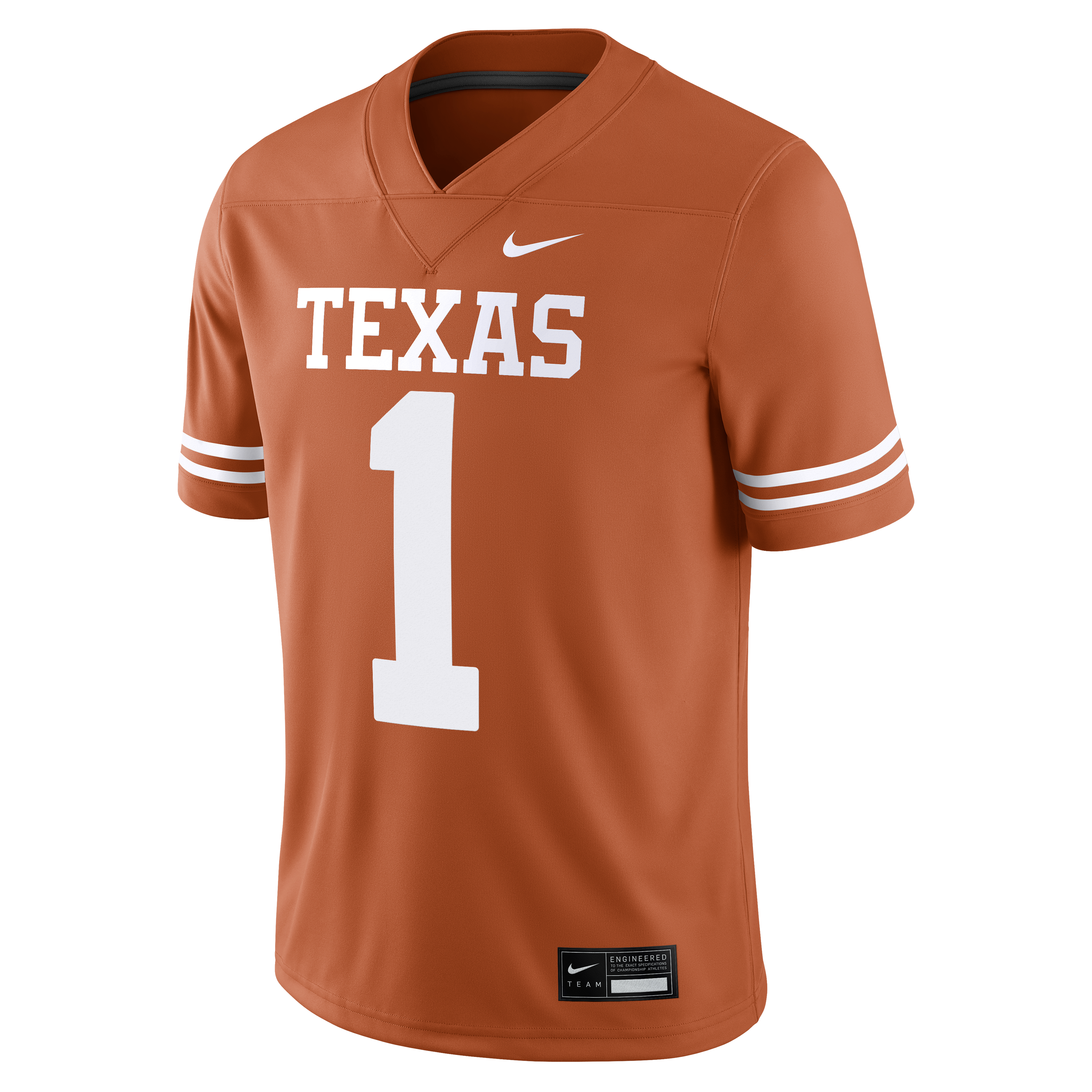
An orange football jersey featuring moisture-wicking Dri-FIT fabric, heat-applied details, and officially licensed Texas Longhorns graphics.
-
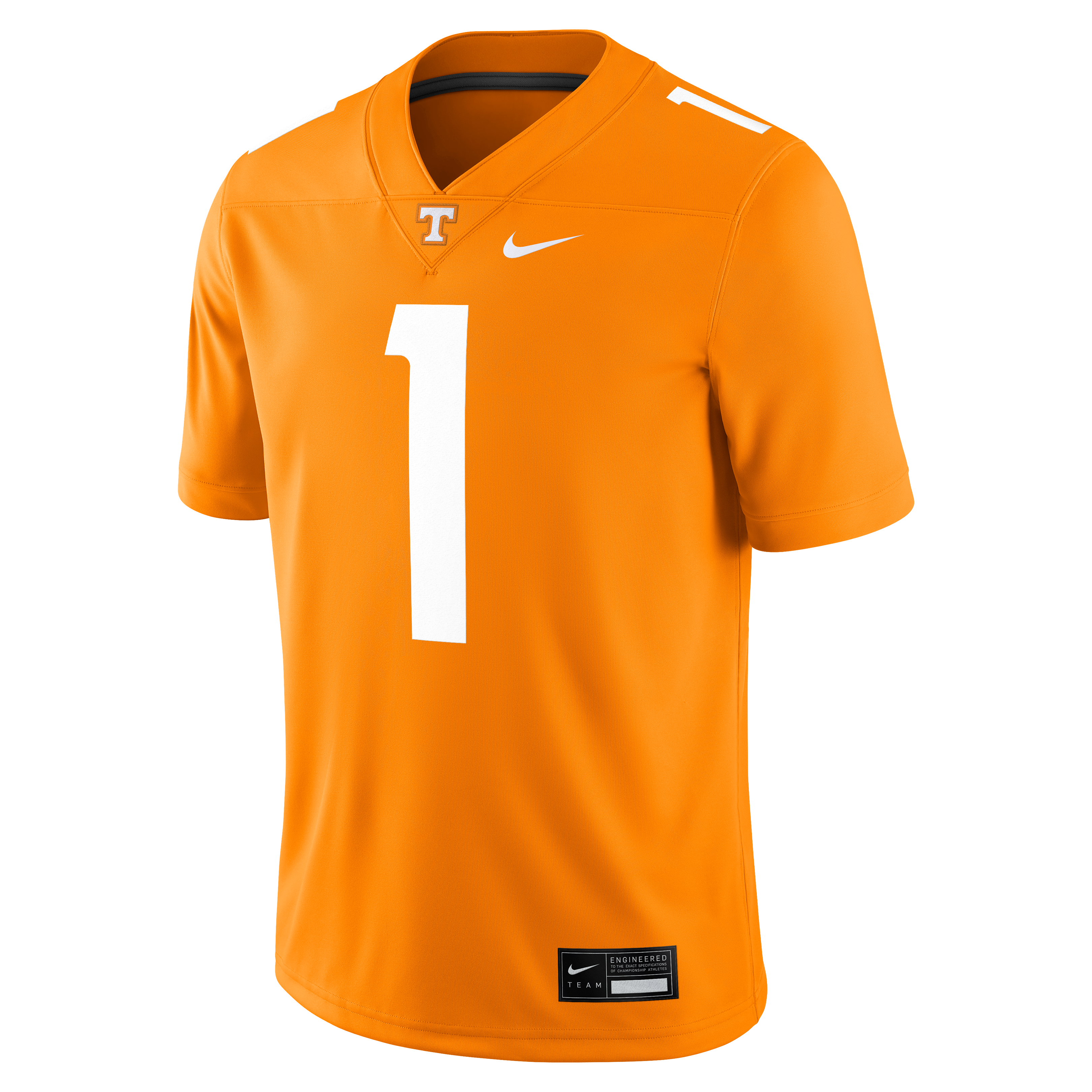
An orange Tennessee Volunteers jersey with heat-applied details, made from 100% recycled polyester with Dri-FIT® technology.
-
A slim-fit black soccer top with sweat-wicking Dri-FIT technology and a ribbed collar for comfort.
-
Nike Men's V.J. Edgecombe Philadelphia 76ers Icon Edition Dri-FIT NBA Swingman Jersey - Blue
5 (2)Standard Price $120A blue polyester mesh basketball jersey featuring sweat-wicking Dri-FIT technology and heat-applied player graphics.
-
A red and black basketball jersey with sweat-wicking mesh and replica-inspired details.
-
A loose, lightweight black polyester jersey featuring moisture-wicking Dri-FIT ADV technology and breathable mesh.
-
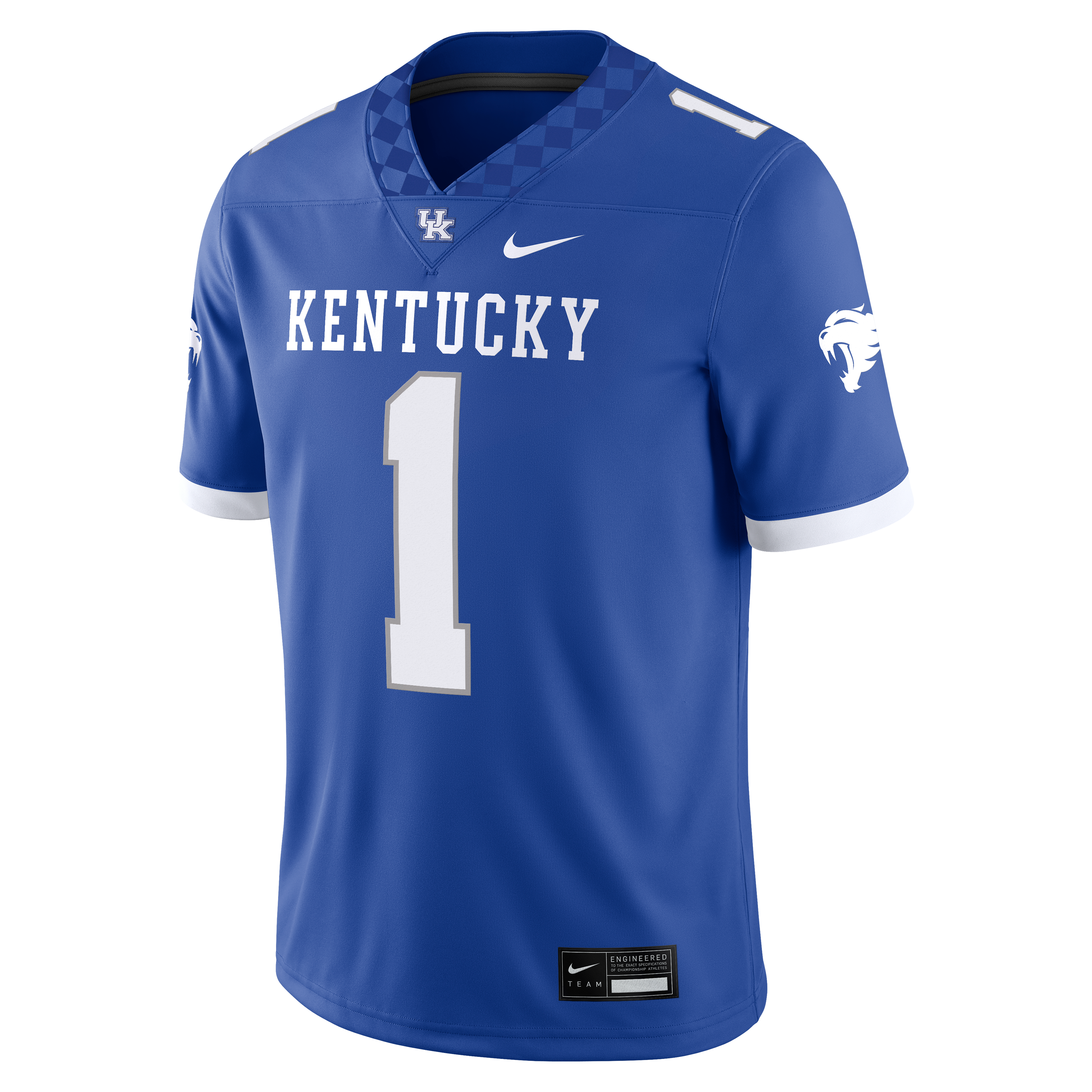
A blue Kentucky Wildcats jersey with heat-applied details and Dri-FIT® technology, made from recycled polyester.
-
Nike Women's Sabrina Ionescu New York Liberty 2023 Dri-FIT WNBA Victory Jersey - Green
5 (2)Standard Price $100A green polyester basketball jersey featuring sweat-wicking Dri-FIT comfort, breathable lightweight construction, and authentic team graphics.
-
Nike Men's Luka Dončić Los Angeles Lakers Icon Edition 22/23 Dri-FIT NBA Swingman Jersey - Yellow
2.75 (4)Standard Price $120A yellow polyester basketball jersey featuring sweat-wicking Dri-FIT mesh, breathable comfort, and heat-applied team graphics.
-
A slim-fit white soccer top made from 100% polyester with sweat-wicking Dri-FIT technology and a ribbed collar.
-
A red Alabama Crimson Tide jersey with heat-applied numbers, made from 100% recycled polyester.
-
A white polyester jersey with Climacool technology, mesh inserts, and iconic 3-Stripes for cool, dry comfort.
Pros: Quality construction, Comfortable wear, Good fit, Stylish appearance
-
Nike Men's Atlanta Hawks Trae Young 2022-23 Icon Edition Swingman Jersey
4.75 (8)Standard Price $120 Sale Price $57.98A red polyester jersey featuring Dri-FIT technology and breathable mesh for ultimate comfort and performance.
-
adidas Men's Inter Miami Home Messi Jersey-Pink
4.937008 (127)Standard Price $100 Sale Price $54.98A pink recycled-polyester jersey featuring slim fit, AEROREADY moisture management, and authentic Messi name and number.
Pros: High quality, Attractive appearance, Great color, Comfortable fit, Perfect for casual wear
-
A navy reversible basketball jersey with sweat-wicking Dri-FIT polyester for dry, comfortable court performance.
-
Nike Women's Caitlin Clark Indiana Fever 2024 Dri-FIT WNBA Victory Jersey - Red
(0)Standard Price $100A red, lightweight polyester replica jersey featuring breathable Dri-FIT fabric and Indiana Fever graphics.
-
A purple, breathable mesh jersey with Dri-FIT technology, featuring twill player name and number.






Dry Fit Jerseys
Fit determines how that fabric behaves once movement starts. A close-fitting jersey can reduce loose material around the torso, but close-fitting does not automatically mean compression, and tightness alone does not improve moisture management. A relaxed cut leaves more room through the chest and waist, which some athletes prefer for unrestricted movement or an undershirt. Start with chest, waist and garment-length measurements rather than relying only on the size printed on a familiar shirt. Then consider the movements the jersey needs to handle: reaching overhead for Basketball, rotating through a Soccer drill or lifting both arms during a workout. The hem should provide the coverage wanted without constantly riding up, and the neckline should feel secure without rubbing. Sleeveless designs allow open movement around the shoulders, while sleeves provide more coverage and create a different feel through the upper arm. Armholes deserve attention, too; an opening that is too tight can rub, while one that is too deep may expose more than intended. For a jersey worn over Football pads, the cut needs enough space for that equipment without restricting movement. A training top worn on its own has different fit requirements. Fans considering Football Jerseys can use fabric content and construction details to distinguish a performance-focused design from one intended mainly for spectator style. A sporty appearance alone does not establish moisture-wicking performance. For organized play, team requirements for colors, numbers and uniform construction also matter. Away from practice, a jersey can bring an athletic feel to joggers, shorts or casual pants without needing a full uniform around it. As a gift, it makes sense for an active family member, a recreational athlete or a fan who enjoys wearing sport-inspired clothing. Knowing that person’s preferred fit, usual activities and comfort with bold graphics is more helpful than guessing from size alone.
Care has a direct effect on how a jersey feels, looks and performs over repeated wears. Follow the sewn-in care label first, especially when the garment combines stretch fabric, mesh, printed graphics or attached lettering. Turning it inside out before washing can reduce friction against exterior details, and washing with similar fabrics helps limit abrasion from heavier garments. Close zippers and hook-and-loop fasteners on other clothing, or separate them from lightweight knits that can snag. A laundry bag can add protection for delicate mesh, although it does not replace the garment’s washing instructions. After activity, let a damp jersey air out rather than leaving it compressed in a gym bag. Sweat and body oils can build up in fabric, and extra detergent is not necessarily the answer; residue can remain when more is used than the load needs. Fabric softener can leave a coating that interferes with moisture transport, so avoid it unless the care instructions specifically permit it. Use only cleaning products and water settings appropriate for the material, and treat marks gently rather than scrubbing aggressively at a printed number or logo. Excessive dryer heat can affect stretch fibers and damage some applied graphics, making the recommended drying method especially important. If machine drying is allowed, use the setting specified on the label; if air-drying is recommended, arrange the jersey so it dries fully before storage. Durability also depends on what the fabric encounters during wear. Rough surfaces, repeated friction from bag straps and sharp fasteners can cause pilling, pulled threads or small snags, even when the material handles regular movement well. Check seams for loose stitching and examine high-friction areas periodically rather than waiting for a small issue to become a larger tear. Moisture-wicking construction does not automatically provide odor control, so any additional treatment should be confirmed in the garment details. With a suitable fit, fabric suited to the intended activity and consistent care, a jersey can remain a dependable part of a training rotation or an easy choice for everyday athletic style.
FAQ
Dry Fit Jerseys are typically made from lightweight synthetic fabrics such as polyester. Their knit construction gives them a smooth feel, flexible movement and a sporty appearance.
Dry Fit Jerseys work well for practices, recreational games, workouts and everyday athleisure outfits. Wear one with athletic shorts for a sporty look or pair it with jeans and casual sneakers for relaxed style.
Keep the outfit casual by pairing a Dry Fit Jersey with coordinating athletic shorts, joggers or denim. Add a cap, crew socks and casual sneakers to bring the look together.
Follow the care instructions on the garment label. In general, machine wash the jersey with similar colors, avoid harsh fabric treatments and use a low-heat setting or air-dry it to help preserve the fabric and graphics.
Dry Fit Jerseys are generally made with synthetic fibers and have a smoother, more athletic feel. Cotton jerseys are known for their soft, natural hand feel and relaxed everyday appeal, so the best choice depends on your preferred texture and style.
Related Pages
Sports Jerseys | Football Jerseys | Dri-FIT Soccer Jerseys | Women's Jerseys | Long Sleeve Jerseys | Large Size Jerseys | Pro Jerseys | Mesh Sports Jerseys | Casual Jerseys | adidas Jerseys
Shop Top Shoe Styles
Nike Air Force 1 | Nike Air Max | Nike Air Max Moto | Nike Air Max 90 | Nike Air Max 95 | Nike Dunks | Nike Lebron | Nike P-6000 | Nike VaporMax | Nike Vomero Plus | Nike Vomero 18 | Nike Vomero 5 | Nike Pegasus Premium | Nike Pegasus | Nike Shox | Saucony Shadow | UGG Boots | On Cloudmonster | On Cloudnova 2 | On Cloudtilt | On Cloudswift | Asics Running | adidas Samba | adidas Gazelle | adidas Handball Spezial | New Balance 1906 | New Balance 9060 | New Balance 2002R | New Balance 480 | Jordan Retro | Air Jordan 1 | Air Jordan 3 | Air Jordan 4 | Air Jordan 5 | Air Jordan 11 | Air Jordan 12 | Air Jordan 13 | Hoka Clifton | Hoka Bondi | Timberland Boots

