



Premium Jerseys
Browse Premium Jerseys to compare available designs, sizes, colors and team-inspired styles in one place, making it easier to find the right option for game days, everyday wear or your collection.
Refine Your Results By:
0 Results
-
A black polyester jersey featuring Bo Jackson’s name and number, mesh panels, and premium comfort details.
-
A white polyester jersey featuring Tim Brown’s name and number, mesh panels, and premium comfort details.
-
A breathable green jersey featuring Ken Griffey Jr.’s name and number with official Mariners graphics.
-
A navy blue, officially licensed NFL jersey featuring Deion Sanders’s name, mesh panels, and premium polyester comfort.
-
A white, 100% polyester jersey with screen print details and mesh side panels for breathability.
-
A navy blue jersey featuring mesh side panels, screen-printed graphics, and premium polyester construction for comfort.
-
A red, officially licensed jersey featuring Deion Sanders' name and number with breathable mesh panels.
-
Nike Men's Dallas Cowboys Micah Parsons '24 Game Jersey-White
5 (1)Standard Price $130 Sale Price $72.98A white, 100% polyester Dallas Cowboys jersey with Micah Parsons' name and number, offering premium comfort.
-
A light blue, 100% polyester jersey featuring mesh side panels and screen-printed Titans graphics for breathable comfort.
-
Nike Men's Dallas Cowboys Trevon Diggs '22 Game Jersey
4.3333335 (6)Standard Price $130 Sale Price $72.98A navy, 100% polyester jersey with screen print details and mesh panels for breathability and comfort.
-
A red, officially licensed jersey featuring mesh side panels, screen-printed details, and premium polyester comfort.
-
A red, breathable polyester jersey featuring CJ Stroud’s name and number with mesh side panels for comfort.
-
A blue jersey featuring heat-applied details and Dri-FIT® technology, made from 100% recycled polyester.
-
A red polyester jersey featuring screen-printed graphics, mesh side panels, and a tailored fit for comfort.
-
A vibrant red athletic jersey crafted from 100% recycled polyester with AEROREADY moisture-wicking technology.
Pros: Great design details, True to size, High-quality materials, Excellent fit, Vibrant colors
-
A navy Dallas Cowboys jersey with screen print details, mesh panels, and a tailored fit for movement.
-
A green-and-black jersey with breathable mesh, durable polyester, an oversized fit, and a structured ribbed collar.
-
adidas Men's Mercedes-AMG Petronas Formula 1 Team Mechanics Jersey - Black
4.571429 (7)Standard Price $100A black recycled polyester jersey featuring Climacool technology, slim fit, and Mercedes-AMG Petronas Formula 1 styling.
-
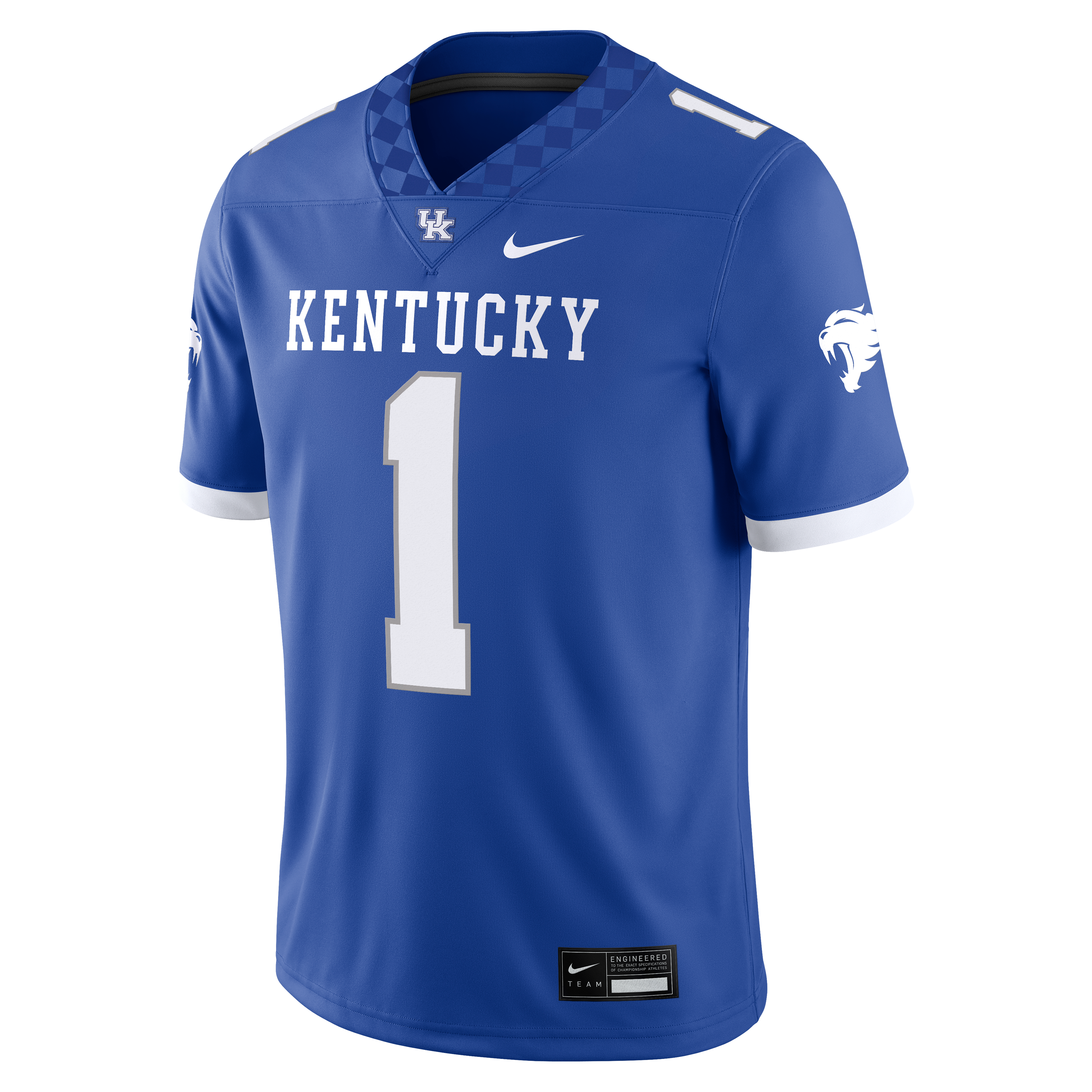
A blue Kentucky Wildcats jersey with heat-applied details and Dri-FIT® technology, made from recycled polyester.
-
Nike Cincinnati Bengals 2023 Jamar Chase Home Jersey-Black
(0)Standard Price $130 Sale Price $72.98A black, officially licensed NFL jersey featuring Jamar Chase’s name, mesh panels, and premium polyester comfort.
-
Nike Women's Sabrina Ionescu New York Liberty 2023 Dri-FIT WNBA Victory Jersey - Green
5 (2)Standard Price $100A green polyester basketball jersey featuring sweat-wicking Dri-FIT comfort, breathable lightweight construction, and authentic team graphics.
-
A red, 100% polyester jersey featuring Deion Sanders' name and number with breathable mesh side panels.
-
Nike Men's Boston Celtics Dri-FIT ADV NBA Icon Edition Authentic Jersey - Green
5 (1)Standard Price $200A green jersey with sweat-wicking technology and recycled polyester for optimal breathability and mobility.
-
A breathable black jersey featuring official team graphics and durable materials for Jamaica fans.
Pros: High-quality material, Vibrant color contrast, Attractive print design, Stylish appearance, Comfortable fit








Premium Jerseys
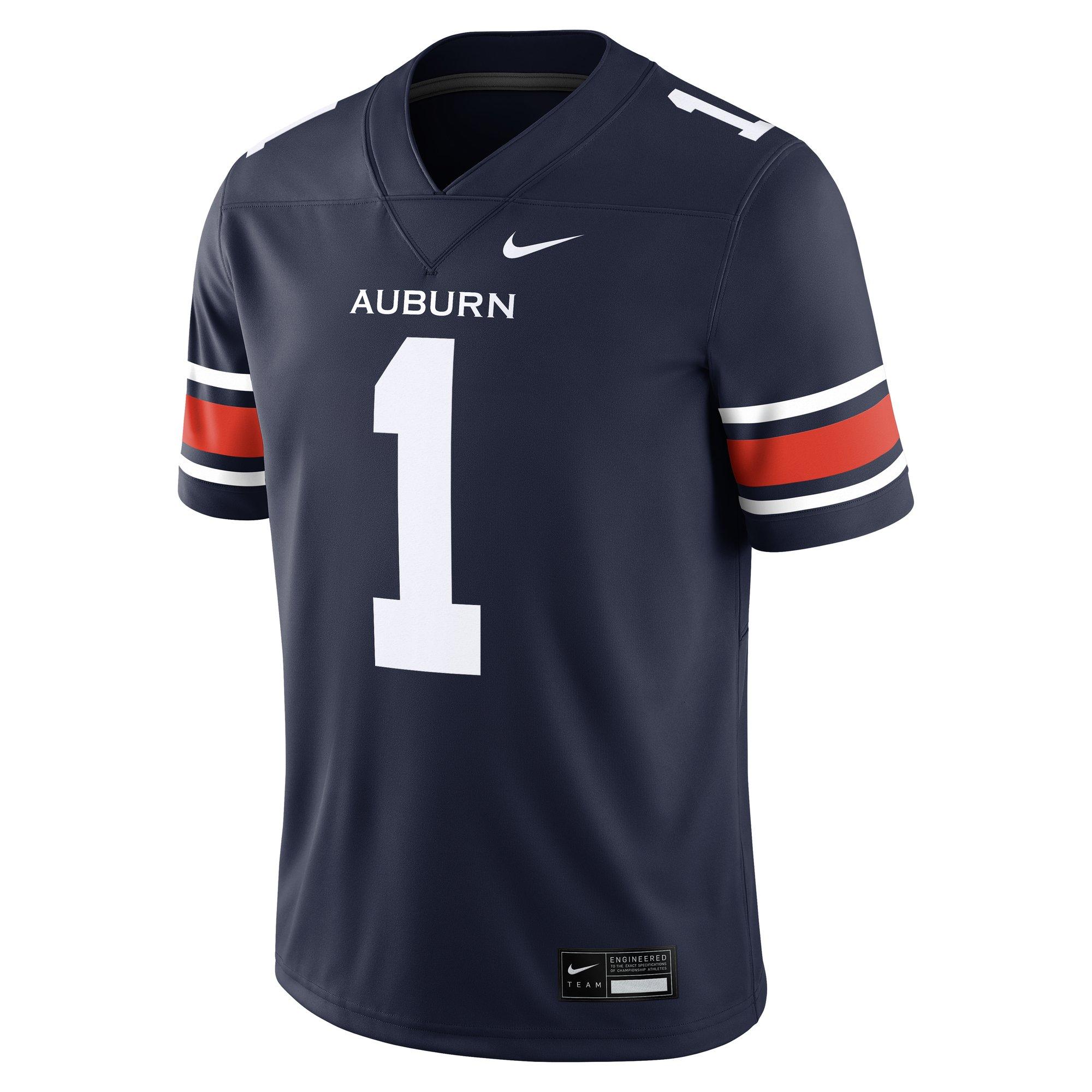
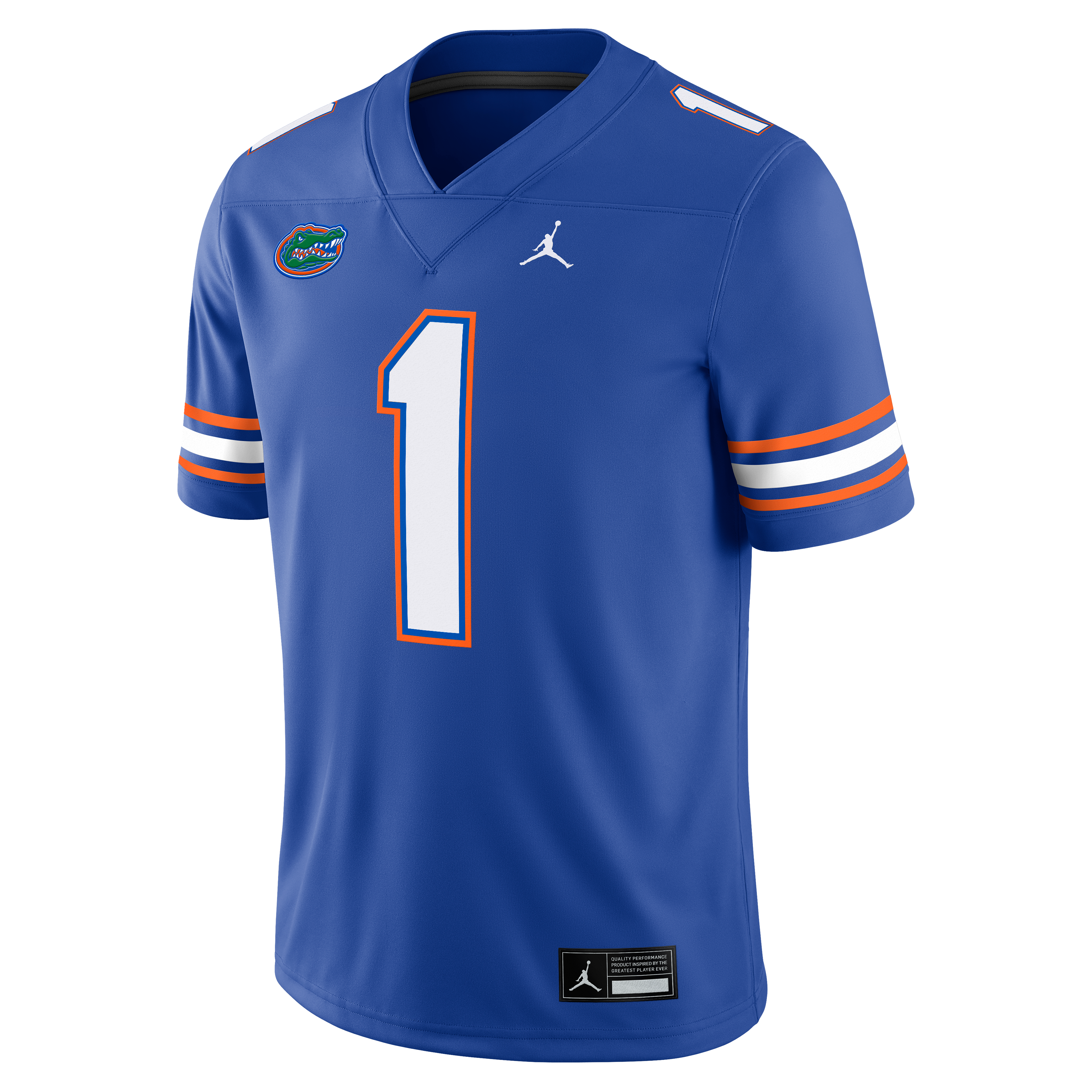
Fit changes the entire character of a jersey, from the way the shoulders sit to how the hem falls over pants. Football styles often have a broad upper body and sleeves shaped around the sport’s uniform tradition, but fan versions are not necessarily cut to accommodate protective equipment. Basketball styles usually have open armholes and a sleeveless shape, making chest width, shoulder placement and the depth of the arm opening especially important. Baseball styles may feature a button front and a longer hem, creating a different drape from a pullover. These are general tendencies, not sizing rules, and two jerseys carrying the same size can fit differently. Comparing chest measurements and garment length with a favorite piece already in the closet offers a more useful reference than relying on the size letter alone. A relaxed fit leaves room for a T-shirt underneath and feels easy when sitting, reaching or celebrating a big play. A closer fit keeps the outline cleaner, but it should still allow comfortable movement through the back and arms. Extra length can be part of the intended design rather than a sign that the size is wrong. For everyday wear, the balance comes from the whole outfit: a longer jersey over straight-leg jeans creates a different proportion from a shorter silhouette with relaxed joggers. Team colors and large numbers already bring plenty of visual energy, so simple surrounding pieces let those details carry the look. Jerseys suit stadium visits, watch parties, casual outings and travel days when representing a team feels personal. They also make meaningful birthday or graduation gifts for fans whose loyalties are well established. Before choosing a gift, it helps to know the recipient’s preferred team, preferred fit and feelings about player-specific graphics. Some fans want a recognizable name across the back; others prefer a design centered on team identity. The most thoughtful choice reflects how that person actually dresses, not just which team appears on the front.
Care is part of keeping the fabric, shape and decoration looking good over repeated wears. The garment’s care label takes priority because mesh, knit panels, embroidered patches and applied graphics can have different requirements. When machine washing is permitted, turning the jersey inside out and using a gentle cycle with cold water can help limit friction against lettering and numbers. Washing with similar colors and avoiding rough fabrics, exposed zippers or open hook-and-loop fasteners can also reduce abrasion and snagging. A small stain is easier to address before it sets, but scrubbing directly across a graphic can damage its surface. Use a treatment suitable for the fabric and follow its directions rather than reaching automatically for bleach or a strong cleaner. Fabric softener is best avoided when the care instructions advise against it, particularly on performance materials with moisture-management finishes. Heat deserves special attention: a hot dryer or iron can distort certain fabrics and damage some applied decorations. Air-drying is often a gentler option when the label allows it, with the garment reshaped and supported so its wet weight does not stretch the shoulders. Let it dry completely before storing, and avoid tight folds across rigid patches or large graphics when possible. Everyday habits help with durability, too. Rough bag straps can rub the same shoulder repeatedly, and jewelry or unfinished surfaces can catch open mesh. None of that means a jersey needs to stay tucked away; it simply means treating its details with the same care given to other favorite clothing. Across the broader range of Sports Jerseys, differences in fabric weight, cut and decoration offer distinct ways to wear team identity. For fan use, comfort and personal style matter more than reproducing every feature of competition apparel. A jersey intended for casual wear is not a substitute for protective equipment or specialized training clothing. Its lasting appeal is more straightforward: recognizable colors, comfortable construction and a connection to the team that remains meaningful long after the final score.
FAQ
Premium Jerseys typically feature high-quality performance fabrics, detailed team graphics, stitched or heat-applied elements, authentic design details, and finishes inspired by what athletes wear on the field or court.
Wear a Premium Jersey with jeans, joggers, or athletic shorts for a relaxed game-day look. Add a cap, team sneakers, or a coordinating jacket to show your fandom with personal style.
Premium Jerseys work well for both. Their sports-inspired construction makes them a natural choice for game day, while bold graphics and versatile fabrics make them easy to wear as part of a casual outfit.
Look for official team colors, player or team graphics, league or club marks, carefully finished lettering, breathable fabric, and design elements that reflect the jersey's on-field or on-court inspiration.
Follow the care label for the best results. In general, turn the jersey inside out, use a gentle wash cycle, avoid harsh treatments, and air dry it to help preserve the graphics, lettering, and fabric.
Shop Top Shoe Styles
Nike Air Force 1 | Nike Air Max | Nike Air Max Moto | Nike Air Max 90 | Nike Air Max 95 | Nike Dunks | Nike Lebron | Nike P-6000 | Nike VaporMax | Nike Vomero Plus | Nike Vomero 18 | Nike Vomero 5 | Nike Pegasus Premium | Nike Pegasus | Nike Shox | Saucony Shadow | UGG Boots | On Cloudmonster | On Cloudnova 2 | On Cloudtilt | On Cloudswift | Asics Running | adidas Samba | adidas Gazelle | adidas Handball Spezial | New Balance 1906 | New Balance 9060 | New Balance 2002R | New Balance 480 | Jordan Retro | Air Jordan 1 | Air Jordan 3 | Air Jordan 4 | Air Jordan 5 | Air Jordan 11 | Air Jordan 12 | Air Jordan 13 | Hoka Clifton | Hoka Bondi | Timberland Boots