


Sep 16, 2026
Learn how football cleats should fit for maximum comfort, speed and support. Get football cleat sizing tips for every position, wide feet and youth players.
Sports cleats should match the game, playing surface and athlete. Hibbett carries cleats and sport-specific shoes for football, soccer, baseball, softball, lacrosse, wrestling, golf, cheer and track, helping players choose the traction, support and fit their sport demands.
Start with the sport and surface. Cleat patterns, plate stiffness and upper construction vary because a football player cutting on grass needs something different from a soccer player controlling the ball or a baseball player pushing off dirt.
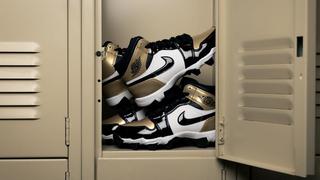
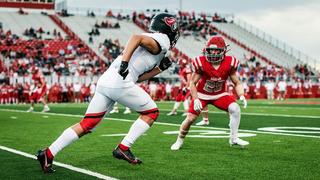
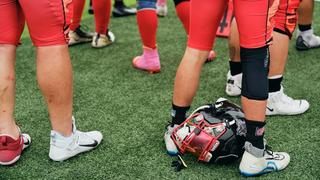
Football cleats support acceleration, lateral cuts and contact. Low-cut styles favor mobility, while mid- and high-cut options provide more coverage around the ankle. Molded studs are common for youth and recreational play, while detachable configurations may suit athletes who need to adapt to field conditions when league rules allow them.
Soccer cleats emphasize ball feel, lightweight movement and multidirectional traction. Firm-ground cleats suit many natural-grass fields, while turf and indoor soccer shoes use flatter, surface-specific outsoles. Football cleats are a poor substitute because added weight and front toe-stud placement can interfere with soccer movement or violate league rules.
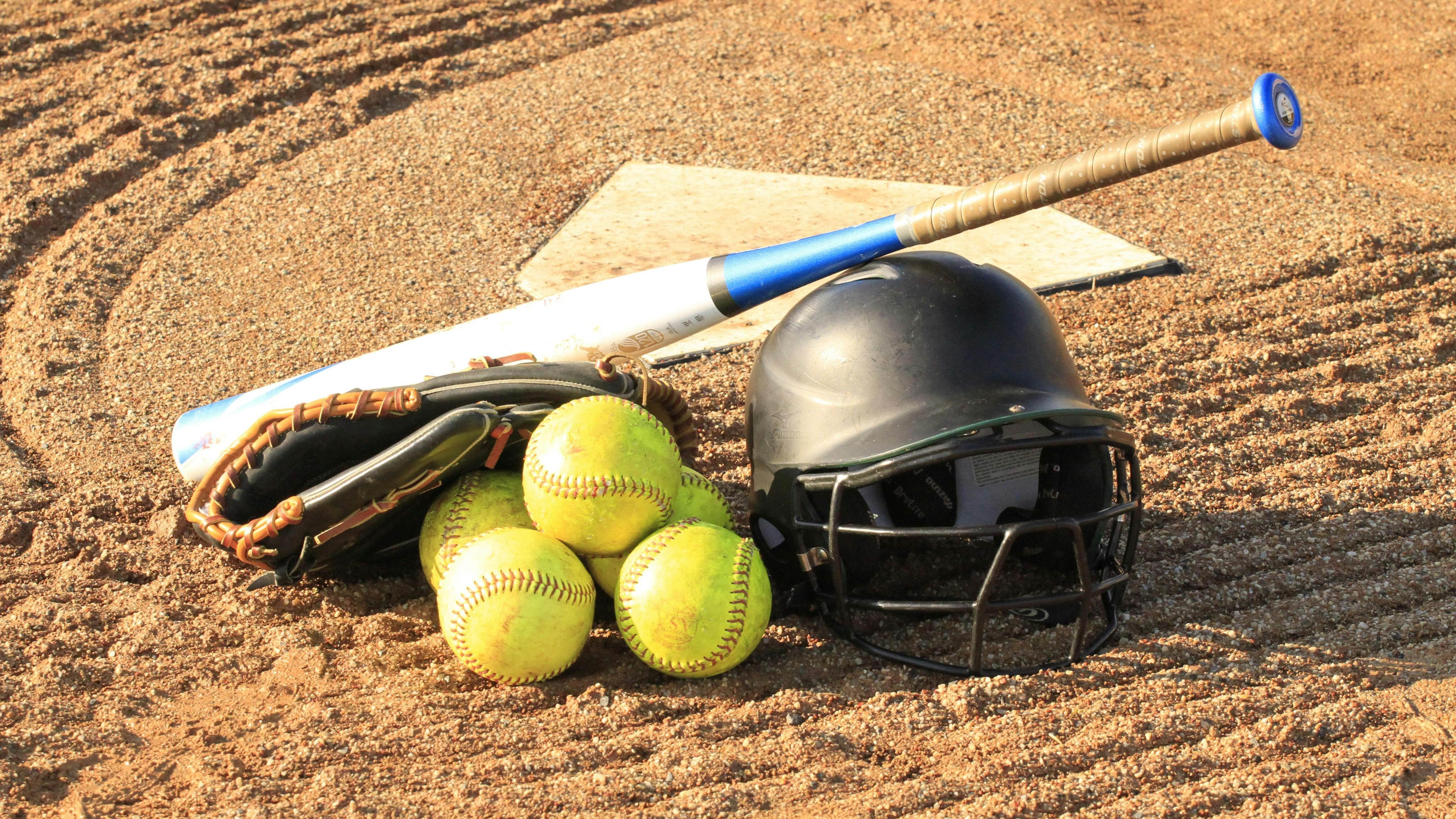
Baseball cleats and softball cleats sees those players choose molded cleats, metal spikes or turf shoes based on age, league rules and field type. Molded TPU cleats provide durable traction for many youth players. Metal spikes offer sharper grip where permitted, while turf shoes work well for training, batting cages and artificial surfaces.
Wrestling shoes use thin, grippy outsoles for close mat contact and flexibility. Golf shoes prioritize stability through the swing, while cheer shoes focus on lightweight construction and secure footing. Track spikes vary by event, so sprinters, distance runners and jumpers should choose shoes designed for their discipline.
The right sports cleats balance traction with comfort and control.
Nike, adidas, Under Armour and New Balance all offer sport-specific options, but fit and intended use matter more than logo preference.
Choose football cleats for hard cuts and position-specific support, soccer cleats for lightweight ball control, baseball or softball cleats for diamond traction and turf shoes for artificial surfaces or practice. Hibbett also carries wrestling, golf, cheer and track footwear, making it easier to shop cleats, sports equipment and other game-day essentials in one place.
Football cleats are not the best choice for soccer. They may be heavier and can include a front toe stud that is not permitted in many soccer leagues. Soccer cleats are designed for continuous running, ball control and soccer-specific traction.
Sports cleats should feel snug through the heel and midfoot with enough toe room to avoid pressure. The foot should not slide during cuts, but the fit should not cause pinching, numbness or rubbing.
Wear new cleats for short practice sessions before using them in a game. Start with 20 to 30 minutes, then gradually increase wear time as the upper softens and the foot adjusts.
Molded cleats are versatile, durable and accepted by many youth leagues. Metal spikes can provide more aggressive traction on dirt and grass but are generally reserved for older players and must be permitted by the league.
Use turf shoes or cleats approved for artificial surfaces. Long studs made for natural grass can feel unstable, create excess pressure underfoot or damage some turf fields.
Replace cleats when the studs are worn down, the outsole separates, the upper no longer holds the foot securely or the athlete has outgrown the shoe. Reduced traction or persistent discomfort also indicates that a new pair may be needed.
Sep 16, 2026
Learn how football cleats should fit for maximum comfort, speed and support. Get football cleat sizing tips for every position, wide feet and youth players.
Sep 4, 2025
Discover how Jordan football cleats are changing the game in 2025 — with retro silhouettes, player‑exclusive drops and stadium‑ready performance.
Apr 30, 2025
Cleats are an essential part of any football, soccer or a baseball player’s uniform, but did you know there are cleats designed specifically for each of these games?
Jun 4, 2024
Stock up on all of the game-day essentials for the NCAA Baseball and Softball Championships this summer, all from Hibbett!
May 20, 2024
Step onto the field with confidence this season! Explore our Football Gear Buying Guide to discover all the essential must-haves for every football player!
Mar 21, 2024
Get ready for the spring baseball season with Hibbett’s ultimate baseball gear buying guide. Discover the necessary equipment and tips for all ages!
Mar 20, 2024
Step up your game with our Softball Gear Buying Guide. Discover the must-have equipment for the season, from gloves to bats, tailored for players of all levels!
Feb 21, 2024
Meet Jordan Women's Collective member, Aja Johnson. The football field is her playground, but that's not the only place she dominates. Join us for another episode of the Hibbett x Jordan series "Cleared for Takeoff" to hear Aja's full story!