




Nov 5, 2026
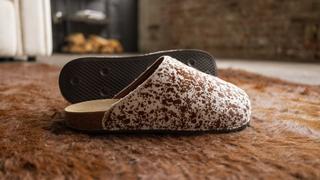
Mules vs slippers: which easy-on shoe wins? Compare design, support, and durability to find the perfect pair for lounging or running errands.
Women's recovery shoes & slides give you a comfortable change of footwear after training, between activities or when the day's plans slow down. Start with how you'll wear them: an open slide makes changing out of sneakers simple, while a style with a heel strap or enclosed upper offers more coverage. At Hibbett, compare each pair's cushioning, footbed shape and fit to find the feel you want beyond your workout.
The right pair should feel comfortable underfoot and stay in place as you walk. Cushioning matters, but so do the shape of the footbed and the way the upper holds your foot.
A soft first impression doesn't tell you everything about a shoe. Check whether the product description identifies cushioning materials, footbed contours or other construction details, then consider how those features match your preferences.
A contoured footbed has shaping beneath the foot rather than a uniformly flat surface. If you prefer a defined arch feel or a heel cup, look for those details specifically. The contour should align comfortably with your foot; a pronounced shape isn't automatically the right choice for everyone.
Also distinguish the cushioning from the outsole. One affects the underfoot feel, while the other contacts the ground. Check for documented traction features if you expect to wear your recovery sandals outside. A thick sole or textured appearance alone doesn't establish grip on wet surfaces.
Compare designs within the same brand before assuming one style will fit like another. Across brands, compare the same features: footbed shape, strap construction, size guidance and intended use. Brand familiarity can help narrow your search, but the individual design should guide your choice.
Pair casual slides with shorts or relaxed women's clothing for the trip home from the gym. Keep activity-specific footwear in your bag when your next stop involves another workout.
Aim for a secure, comfortable fit with your heel and toes resting within the footbed. Avoid straps that pinch or a fit that lets your foot slide excessively. Follow the individual model's size guide, especially when the listing uses unisex sizing.
Check the manufacturer's guidance for that model rather than automatically sizing up. Whole-size recommendations can differ by design. Consider foot length, width and strap fit together when comparing sizes.
Choose footwear designed for the activity when running, lifting or playing sports. A recovery label doesn't establish suitability for workouts. Use the product's stated purpose to decide whether it fits your plans.
Only choose a pair for shower use when the manufacturer identifies it as suitable for that environment. Water-friendly materials don't establish slip resistance, and a casual slide shouldn't automatically be treated as a shower sandal.
Follow the care instructions for the exact pair. Materials and construction vary, so don't assume machine washing, soaking or heat drying is appropriate. Let footwear dry as directed before wearing or storing it.
Check for worn tread, damaged straps or changes in fit and cushioning. Consider replacing a pair when it no longer stays secure or feels comfortable. There isn't one replacement schedule that applies to every material and wearing routine.
Nov 5, 2026
Mules vs slippers: which easy-on shoe wins? Compare design, support, and durability to find the perfect pair for lounging or running errands.
Nov 4, 2026
Wondering how to wear the sneakerina trend when temps drop? Learn how to style ballet sneakers for fall with layers, socks, and seasonal denim.
Oct 22, 2026
Looking for the perfect holiday travel outfits? Explore 5 'First Class Casual' formulas for flights and road trips that blend comfort with style.
Oct 12, 2026
Master your travel style with these airport outfit ideas. Discover how to layer hoodies, joggers, and sneakers for ultimate holiday travel comfort.
Jul 29, 2026
Ready to level up your post-game? Learn why recovery footwear like the Nike Rejuven8 is essential for athletes and trendsetters. Shop at Hibbett.
Dec 18, 2025
Step into timeless comfort with mule shoes that blend laid-back ease and modern style. The perfect shoe for dressing up or keeping it casual.
May 10, 2025
From polarizing fashion staple to comfort icon, discover the surprising rise of Crocs and their journey through pop culture with Hibbett.
Nov 25, 2024
Crocs Classic clogs are the best way to spread holiday cheer from Toe-to-Head. Check out these Crocs holiday gifting ideas!