






Court Shoes
Find Court Shoes for basketball, tennis, volleyball and other court-based activities, with options across performance needs, fits and personal style. Browse athletic shoes built for practice, competition or everyday wear, then compare designs to find the pair that suits your game.
Refine Your Results By:
0 Results
-
A skater-inspired shoe featuring a clear pink coated leather upper, cushioned midsole, and soft textile lining.
Pros: Versatile style that matches everything, True-to-size fit, Good quality and durable design, Attractive clear pink colorway, Comfortable cushioned feel
-
adidas VL Court 3.0 "Ftwr White/Ftwr White/Silver Metallic" Women's Shoe
4.7992096 (2280)Standard Price $75A sleek white and silver women's shoe featuring a synthetic leather upper and cushioned comfort.
Pros: Good fit and true-to-size sizing, Sturdy, quality construction, Comfortable cushioning, Versatile everyday style, Sleek white and silver appearance
-
adidas VL Court 3.0 "Alumina/Core Black/Gold Metallic" Men's Shoe
4.788947 (2099)Standard Price $80A black-and-gold leather shoe with cushioned support, textile lining, and flexible vulcanized rubber outsole.
Pros: Suitable for school and casual wear, Stylish black-and-gold appearance, Durable and sturdy construction, Versatile everyday design, Comfortable fit
-
A white and blue women's shoe with synthetic leather upper, cushioned midsole, and vulcanized gum outsole.
Pros: Appealing color combination, True-to-size fit, Vibrant appearance
-
adidas Anthony Edwards 2 "Acid Orange" Men's Basketball Shoe
4.7907763 (1357)Standard Price $130 Sale Price $88.98An ultra-lightweight basketball shoe featuring BOOST energy-return and a vibrant orange synthetic and textile upper.
Pros: Unique colorway availability, Secure lockdown, Vibrant appearance, Comfortable fit, Excellent traction
-
adidas Anthony Edwards 2 "Alphadawgs" Men's Basketball Shoe
4.786374 (1336)Standard Price $130 Sale Price $78.98A white and black basketball shoe with textile upper, BOOST midsole, and superior traction outsole.
Pros: High quality, Stylish design, Unique first colorway, Great player association, Comfortable fit
-
adidas VL Court 3.0 "Iron Metallic/Core White/Grey Five" Women's Shoe
4.797923 (1252)Standard Price $75A women's shoe featuring a synthetic leather upper in iron metallic and white with cushioned comfort.
Pros: Versatile everyday wear, Stylish classic design, Attractive metallic color, True-to-size fit, Comfortable cushioned feel
-
adidas Anthony Edwards 2 "Lucid Orange" Men's Basketball Shoe
4.791581 (1333)Standard Price $130 Sale Price $108.98A vibrant orange basketball shoe with breathable textile, synthetic support, BOOST cushioning, and grippy rubber traction.
Pros: Great on-court performance, Vibrant color and stylish design, True to size, High quality construction, Comfortable fit
-
adidas VL Court 3.0 "Off White/Earth Strata/Gold Metallic" Women's Shoe
4.797923 (1252)Standard Price $80An elegant off white and gold women's shoe featuring a synthetic leather upper and cushioned midsole.
Pros: Soft leather, Extra padding, Comfortable fit
-
adidas Anthony Edwards 2 "Bulldawg" Men's Basketball Shoe
4.786127 (1225)Standard Price $130 Sale Price $108.98A red, white and black basketball shoe with textile-synthetic upper, LIGHTSTRIKE cushioning, BOOST and grippy traction.
Pros: Excellent traction and grip, Eye-catching color and design, High comfort and cushioning, Durable and quality materials, Great fit for basketball performance
-
adidas VL Court 3.0 "Crystal Linen/Blush Pink/Off White" Women's Shoe
4.790293 (1092)Standard Price $80A court-inspired women's shoe featuring a synthetic and suede upper in crystal linen and blush pink hues.
Pros: Attractive color, Stylish design, Comfortable, Good fit
-
adidas VL Court 3.0 "Dusky Bronze/Cream White/Gum 5" Women's Shoe
4.790293 (1092)Standard Price $80A dusky bronze and cream white women's shoe featuring a leather-textile upper and durable rubber outsole.
Pros: Excellent quality, True to size, Supportive and flexible fit, Comfortable for all-day wear, Attractive color and appearance
-
Jordan 6 Rings "Black/White" Men's Basketball Shoe
4.722467 (681)Standard Price $175 Sale Price $138.98A black-and-white leather-and-synthetic basketball shoe with responsive Phylon cushioning and grippy rubber traction.
Pros: High material quality, Fast and reliable shipping, Great value for price, Stylish and iconic design, Comfortable fit
-
A skater-inspired shoe featuring a cream white coated leather upper, cushioned midsole, and soft textile lining.
Pros: Smooth-looking finish, Stylish design, Comfortable cushioning, Good fit
-
adidas VL Court 3.0 "Pure Ruby/Bliss Blue/Tech Grey Metallic" Women's Shoe
4.838849 (695)Standard Price $80A skater-inspired shoe featuring a coated leather upper in ruby, blue, and grey with cushioned comfort.
Pros: Comfortable cushioning, Versatile everyday style, Affordable price, True-to-size fit, Vibrant, eye-catching colors
-
adidas VL Court 3.0 "Off White/Off White/Trace Brown" Women's Shoe
4.838849 (695)Standard Price $85An off-white and trace brown women's shoe featuring a suede upper and durable rubber cupsole for versatility.
Pros: Attractive off-white and brown color, Quality construction, Cute and fashionable design, Versatile style, Comfortable fit
-
adidas Harden 9 "Black/Vanilla" Men's Basketball Shoe
4.742268 (543)Standard Price $160 Sale Price $88.98A black basketball shoe with BOOST and Lightstrike cushioning, supportive synthetic-textile construction, and durable rubber traction.
Pros: Easy to put on, Breaks in easily, Good materials
-
adidas Harden X "Ice Gold/Lime Burst" Men's Basketball Shoe
4.7524114 (535)Standard Price $160 Sale Price $88.98A gold basketball shoe with breathable synthetic support, BOOST cushioning, and durable indoor traction.
Pros: Great overall shoe, Excellent cushioning, Good court feel, Improved design
-
adidas Harden X "Tech Purple" Men's Basketball Shoe
4.768546 (498)Standard Price $160 Sale Price $93.98A performance basketball shoe in tech purple with Boost cushioning, textile upper, and durable rubber outsole.
Pros: Lightweight design, Good cushioning, Stylish appearance, Comfortable fit, Excellent traction
-
Nike Court Legacy Lift "Pale Ivory/Muslin/White/Black" Women's Shoe
4.038023 (263)Standard Price $90A subtly layered women's shoe with a padded heel and rubber outsole for durability and traction.
-
Nike Court Legacy Lift "Shimmer/Pale Ivory/Pollen/Chalk" Women's Shoe
4.038023 (263)Standard Price $95A platform sneaker with a layered upper, padded heel, plush tongue, and durable rubber outsole.
Pros: Attractive color, Stylish appearance, Comfortable fit
-
adidas Grand Court 3.0 "Core Black/Ftwr White/Ftwr White" Men's Shoe
4.820833 (240)Standard Price $70A sleek black and white sneaker featuring a cushioned Cloudfoam sole, synthetic upper, and durable rubber outsole.
Pros: High quality and well made, Good value for the price, True to size fit, Stylish design, Comfortable for walking and standing
-
A breathable black-and-pink basketball shoe with responsive cushioning, micro-tuned traction, and secure midfoot support.
Pros: Attractive style, Good performance and traction, Vibrant standout colors, High-quality details, Comfortable fit
-
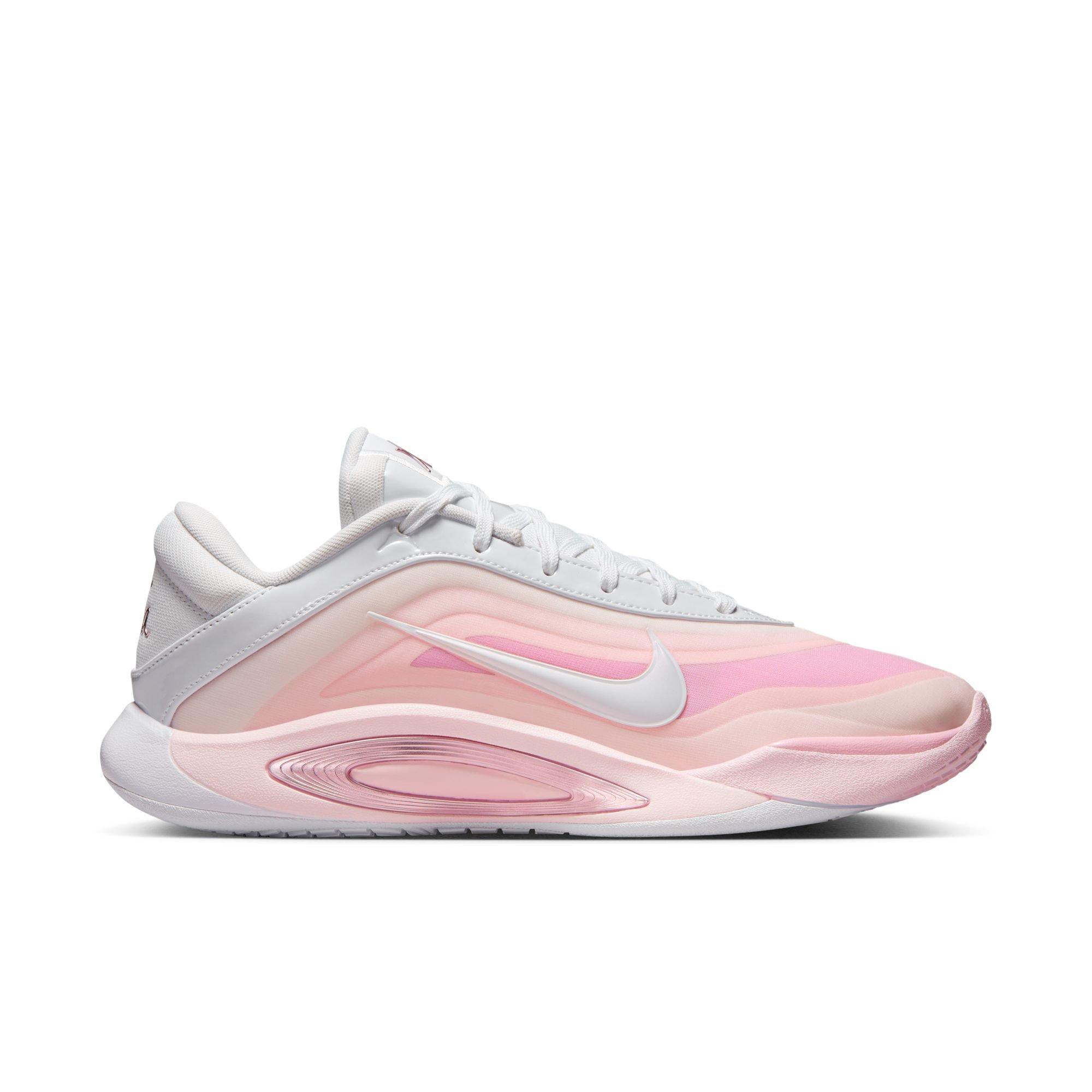
A white-and-pink basketball shoe with breathable mesh, responsive foam cushioning, and micro-tuned traction for court play.
Pros: Attractive silhouette, Support for A’ja, Appealing color options, Lightweight design, Comfortable fit


Court Shoes
Materials influence how footwear feels during play and how well it handles repeated use. Mesh panels can encourage airflow during a long practice, while synthetic overlays add structure in areas exposed to lateral pressure or abrasion. Leather uppers can offer a substantial, supportive feel, though weight, flexibility, and ventilation vary by construction. Reinforced toe areas are useful for players who drag the front of the shoe during serves or defensive movements, and sturdy sidewalls can help contain the foot when changing direction. Underfoot, midsole cushioning helps soften impact, but the softest sensation is not automatically the best choice for every player. A very plush platform may feel different during a hard lateral plant than it does while walking across a store. Look for a balance of cushioning, ground feel, and stability that suits the activity and personal comfort preferences. Fit brings those features together. The heel should feel secure without rubbing, the midfoot should feel held rather than squeezed, and the toes need enough room to spread without sliding forward during a stop. Try footwear with the socks normally worn for practice, preferably later in the day when feet may be slightly larger. Check both feet, since their dimensions can differ, and use the larger foot as the starting point for sizing. A few controlled side steps, gentle stops, and calf raises can reveal heel movement, pressure across the forefoot, or contact at the toes. Numbness, pinching, and pronounced slipping are reasons to reconsider the fit rather than rely on a break-in period. Anyone using orthotics or an ankle brace should check interior space and compatibility with that equipment. A higher collar alone does not establish how supportive a shoe will feel; heel hold, lacing, upper construction, and the base all contribute. For growing athletes, excessive extra length can allow unwanted movement, so regular fit checks are more useful than buying a pair with substantial room to grow.
Everyday habits have a real effect on durability, especially when the same footwear sees several practices each week. Reserve sport-specific pairs for their intended activity when possible: walking across parking lots and wearing indoor soles on rough pavement can add wear without adding playing time. After a session, loosen the laces and let the shoes dry in a ventilated space. Remove insoles if the care instructions allow it, and avoid leaving damp footwear zipped inside a gym bag. Radiators, dryers, and other direct heat sources can affect adhesives and materials, so room-temperature drying is the safer routine. Brush away loose grit before wiping the upper with a soft cloth, mild soap, and water, following the manufacturer's care directions for the materials involved. Outsoles deserve attention, too. Small stones lodged in tread and dust collected during indoor play can interfere with consistent contact, while dried mud may need gentle brushing before cleaning. Inspect high-wear areas regularly, including the forefoot, outer edges, toe reinforcement, and heel lining. There is no single replacement schedule that works for everyone because body weight, movement patterns, court texture, and playing frequency all affect wear. Smoothed tread, a newly uneven stance, torn support areas, or cushioning that feels noticeably less protective are useful signals to assess the pair. Persistent foot or ankle pain deserves evaluation rather than an assumption that new footwear alone will solve it. During the cooler months, keeping playing shoes dry and changing out of wet travel footwear before reaching an indoor floor helps maintain a cleaner playing environment. For a gift, the recipient's sport, usual surface, preferred fit, and any support needs offer better direction than color alone. A student joining a team, an adult starting weekly Pickleball, or a longtime Tennis player returning to regular practice may each need a different combination of flexibility, reinforcement, and cushioning. The most useful choice is footwear that feels secure through the actual movements of the game, holds up to the intended surface, and stays comfortable beyond the opening warm-up.
FAQ
Court Shoes are athletic footwear designed for indoor and outdoor court sports such as Basketball, Tennis, Volleyball and Pickleball. They typically feature supportive uppers, cushioned midsoles and outsoles made for court surfaces.
Court Shoes are built for quick lateral movement, stops and changes of direction, while Running Shoes are designed primarily for forward motion. Court Shoes also tend to have flatter, more stable outsoles suited to court play.
Consider the sport, court surface and fit preferences when choosing Court Shoes. Look for a secure upper, a comfortable footbed, a well-structured midsole and an outsole pattern suited to the type of court you use.
Some Court Shoes can work across multiple court sports, especially when the playing surfaces and movement patterns are similar. However, sport-specific designs may include different outsole patterns, cushioning setups or upper constructions.
Remove loose dirt after use with a soft brush or cloth, then clean the upper according to the material. Let Court Shoes air-dry at room temperature, avoid harsh cleaners and use them on the surfaces they were designed for.
Shop Top Shoe Styles
Nike Air Force 1 | Nike Air Max | Nike Air Max Moto | Nike Air Max 90 | Nike Air Max 95 | Nike Dunks | Nike Lebron | Nike P-6000 | Nike VaporMax | Nike Vomero Plus | Nike Vomero 18 | Nike Vomero 5 | Nike Pegasus Premium | Nike Pegasus | Nike Shox | Saucony Shadow | UGG Boots | On Cloudmonster | On Cloudnova 2 | On Cloudtilt | On Cloudswift | Asics Running | adidas Samba | adidas Gazelle | adidas Handball Spezial | New Balance 1906 | New Balance 9060 | New Balance 2002R | New Balance 480 | Jordan Retro | Air Jordan 1 | Air Jordan 3 | Air Jordan 4 | Air Jordan 5 | Air Jordan 11 | Air Jordan 12 | Air Jordan 13 | Hoka Clifton | Hoka Bondi | Timberland Boots

