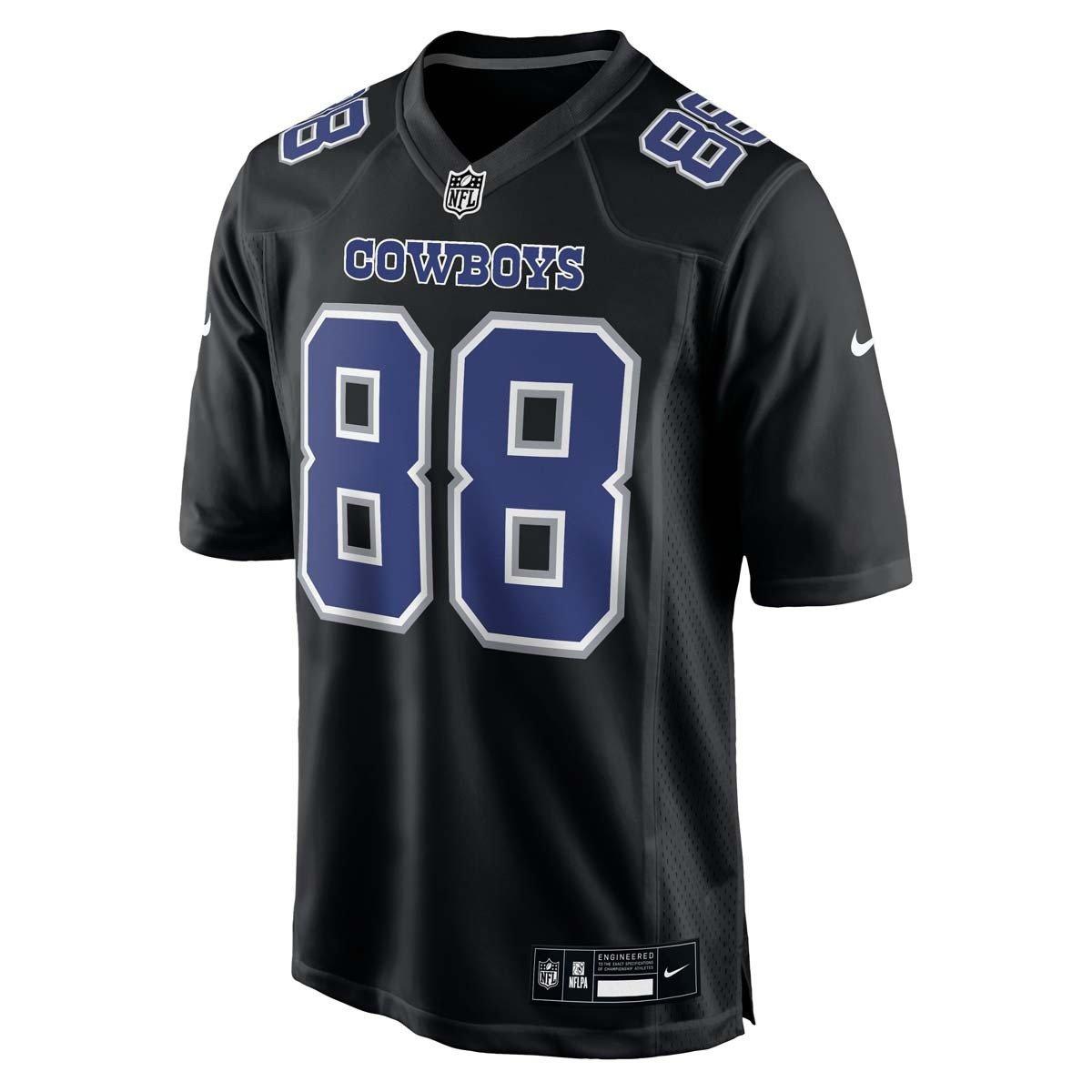

Youth Football Apparel

Shop Youth Football Apparel for game-day jerseys, team-inspired tops, hoodies, pants and other comfortable layers designed for young fans and athletes. Explore options for supporting a favorite team, practicing, traveling to games or building an everyday athletic outfit, with styles that make it easy to find the right fit for the season.

Refine Your Results By:

0 Results

Youth Football Apparel

Repeated sprints, quick direction changes and time spent in a three-point stance put different demands on clothing than a typical school day. For young Football players, apparel needs to support movement while working comfortably with the equipment required for their activity. That can mean lightweight layers for conditioning, clothing designed to sit beneath pads or team apparel worn during organized play. The useful distinction is intended use: something comfortable for traveling to a game may not have the construction or fit needed for a full practice. Polyester and other synthetic performance fabrics are common because they absorb less moisture than cotton and can dry relatively quickly, although fabric weight and construction affect how they feel. Moisture-wicking finishes help move perspiration across the fabric so it can evaporate; they do not keep a player completely dry through every drill. Stretch fibers add give through the shoulders, hips and knees, where athletes repeatedly bend, reach and change direction. Mesh panels can improve airflow, while smooth seams help reduce rubbing beneath equipment. Cotton-rich fabrics offer a familiar, soft feel for everyday wear and less demanding activities, but they tend to hold moisture longer. Neither fabric choice tells the whole story on its own. A lightweight knit may feel barely noticeable during running drills, while a more substantial fabric can provide useful coverage in areas that experience repeated contact with the ground. Reinforced stitching, securely finished hems and resilient stretch are practical details for clothing that gets pulled on, washed and worn again throughout a busy schedule. Even the placement of a seam matters when a player spends practice crouching, extending an arm or wearing equipment over the same area. The best foundation is clothing suited to the activity, with construction that feels comfortable beyond the first few minutes of wear.

Fit becomes especially important once required equipment enters the picture. A top that feels roomy on its own can bunch beneath shoulder pads, while pants that seem comfortable standing still may pull at the waist when a player bends into a stance. Close-fitting base layers generally sit smoothly against the body, but close-fitting should not mean restrictive. A young athlete should be able to raise both arms, rotate through the torso, squat and take a long stride without the fabric digging in or pulling the garment out of place. For bottoms, a secure waistband helps keep clothing positioned during acceleration and changes of direction; an adjustable closure can offer flexibility as a child grows. Extra length and excess fabric are not always useful growing room, particularly when they interfere with required pads or gather behind the knees. Sizing also varies between garment styles, so measurements are more dependable than age alone. Chest, waist, hip and inseam measurements provide a clearer starting point, especially for players whose proportions do not fall neatly into one size. When clothing is intended to hold protective inserts, correct sizing and pad placement matter as much as the feel of the fabric. Integrated padding is not a substitute for every piece of equipment required by a league, and requirements can differ between tackle and flag Football. Some flag programs also have rules about pockets, loose clothing or exposed closures that could interfere with play. Those same fit considerations matter when choosing Youth Football Practice Gear for stance work, passing routes and conditioning sessions. A receiver reaching overhead and a lineman settling into position use different movements, but both benefit from clothing that stays put without limiting their range of motion. Team color requirements, uniform rules and the way each layer sits beneath equipment can narrow the choices further. Apparel for travel, school or watching a game can have a more relaxed feel because it serves a different purpose than clothing worn during contact drills.

Regular care helps preserve that fit and keeps hard-working fabrics ready for another wear. Perspiration, body oils and field dirt can settle into fibers, so damp clothing benefits from being unpacked promptly rather than staying bundled inside a closed equipment bag. Letting garments dry before they go into the hamper helps prevent lingering dampness, but it does not replace washing. The care label is the most reliable starting point because stretch fabrics, printed graphics and padded construction can have different requirements. Turning decorated clothing inside out can reduce friction against the design during washing, and closing hook-and-loop fasteners helps keep them from catching neighboring fabrics. Fabric softener can leave residue that affects the performance of some moisture-managing materials, while excessive dryer heat may damage elastic fibers or printed details. Removable pads need care according to their own instructions, and fixed padding should stay in place unless the garment is specifically designed otherwise. After laundering, checking seams, waistbands and pad pockets can reveal wear before it becomes uncomfortable during practice. A waistband that no longer holds securely or a pocket that no longer positions an insert properly changes how the garment functions, even if the fabric still looks presentable. For parents and caregivers, easy-care construction can make the routine between practices more manageable. For relatives choosing a gift, the player's current measurements, preferred fit and team requirements offer better direction than age or favorite color alone. Younger beginners may appreciate simple clothing they can manage independently, while experienced players may have definite preferences about compression, waistband feel or sleeve length. Apparel that respects those preferences is more likely to become part of the regular rotation. From the first organized practice to a full schedule of team activities, useful clothing earns its place through comfortable movement, dependable construction and care that fits everyday family life.

FAQ