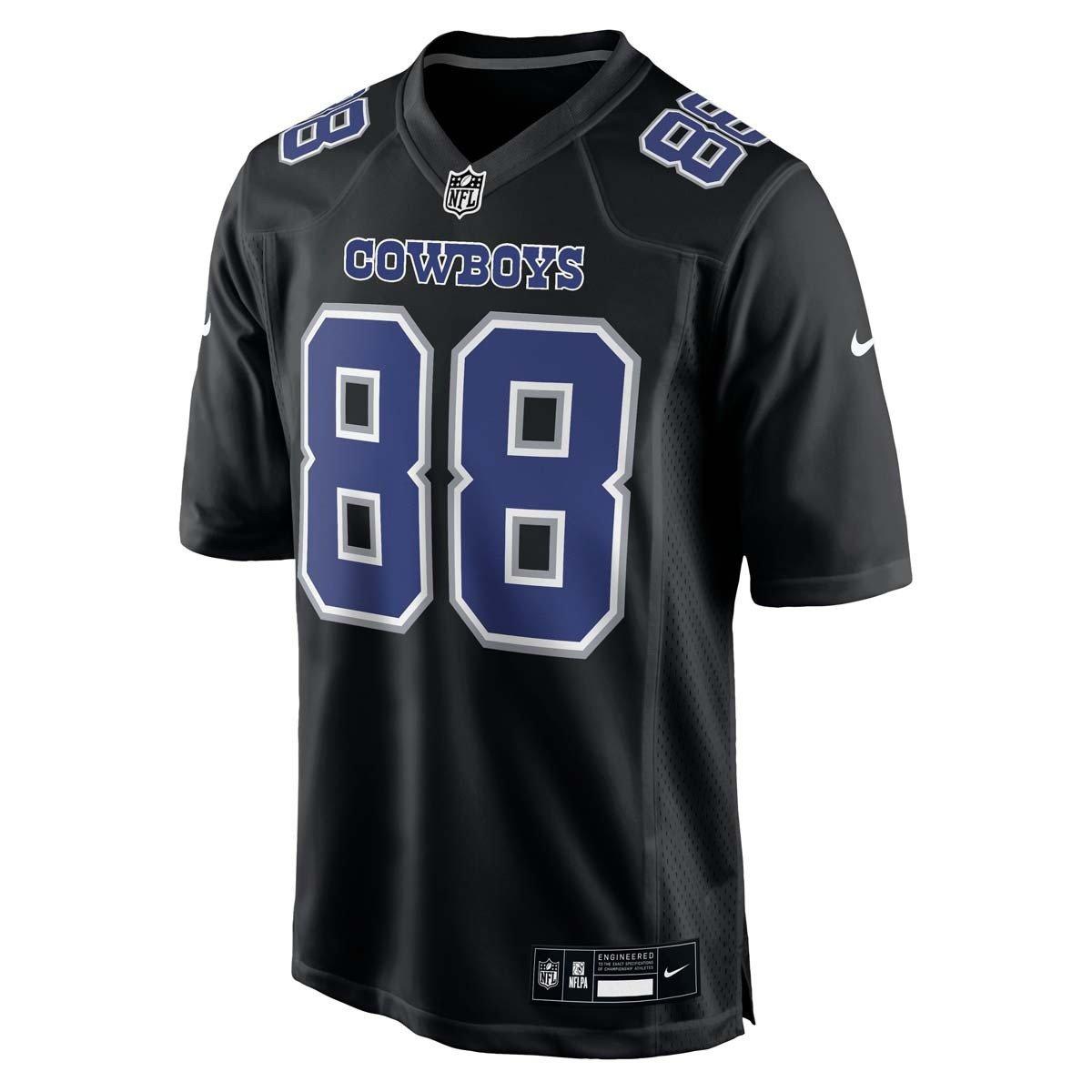

Youth Football Team Uniforms

Shop Youth Football Team Uniforms for coordinated game-day apparel, with options to help outfit young players for practices, games, and team activities. Browse available jerseys, pants, socks, and complementary football gear, then compare sizes, colors, and styles to find the right fit for your roster.

Refine Your Results By:

0 Results

Youth Football Team Uniforms

A uniform needs to move with a young player through a three-point stance, a full-speed sprint, and a scramble back to the huddle without becoming a distraction. For organized Football, that usually means a jersey designed to accommodate shoulder pads and pants that work with the required lower-body padding. Practice apparel and game-day uniforms serve related but different purposes: practice clothing handles repeated drills and frequent washing, while game apparel also needs to meet team requirements for colors, numbers, and overall appearance. Before choosing pieces for a player, confirm the coach’s equipment list and league rules, including whether the program supplies any part of the uniform. Tackle and flag programs can have very different requirements, so clothing intended to fit over protective equipment is not automatically the best choice for every format. Fabric construction matters, too. Polyester is common in athletic uniform apparel because it is relatively lightweight, durable, and quick-drying compared with cotton. Mesh panels allow air to move through the fabric, while denser knit sections can provide more coverage in areas exposed to contact. Stretch fibers can help pants bend with the hips and knees rather than pulling against the player during a crouch or lateral movement. Moisture-wicking finishes help move perspiration across the fabric so it can evaporate; they do not make a garment waterproof or eliminate the need to change out of damp clothing. Reinforced stitching and layered fabric in high-stress areas may help a uniform withstand repeated use, although no fabric is immune to abrasion or tearing. For parents comparing options, the most useful details are the material composition, construction, padding configuration, and care label—not simply how substantial the fabric feels in hand. A softer jersey can still be durable, and a heavier garment is not necessarily better suited to a young athlete’s movement. The goal is clothing that supports the player’s routine, from learning basic footwork to taking repeated practice reps, while keeping the required equipment properly covered.

Fit becomes much easier to judge when the player tries on the uniform with the equipment worn underneath. A jersey that looks roomy over a T-shirt may fit very differently over shoulder pads, particularly across the chest, upper arms, and neckline. Use the garment’s size chart and the player’s measurements rather than relying on age alone, since youth sizing can vary between manufacturers and styles. Follow the chart’s measuring directions carefully; body measurements and garment measurements are not interchangeable. Once dressed, the player should raise both arms, reach forward, bend at the waist, and settle into a playing stance. Watch for a neckline that pulls, sleeves that restrict movement, or a hem that will not stay tucked when required. Extra room for growth can be useful in everyday clothing, but excessive looseness is less helpful in contact play, where loose fabric can be grabbed and pants may fail to hold padding in position. Pants should stay secure at the waist without digging in, and their intended knee coverage should remain consistent as the player bends and straightens. Integrated padding means protective pads are incorporated into the garment, but coverage and removability vary by design. Some pants include padding at the hips, thighs, knees, and tailbone; others use a different configuration. Non-integrated designs may have pockets for separate pads or be intended for use with a padded girdle and additional protection. Check the stated coverage rather than assuming every pair provides the same setup, and have the coach verify that the complete combination meets program requirements. Uniform apparel does not replace required protective equipment, and the presence of padding does not guarantee protection from injury. For a first-time player, practicing the dressing routine before the first team session can make a real difference: fastening the waistband, positioning pads, and tucking the jersey are easier to sort out without a sideline rush. For returning players, reassess fit as they grow instead of assuming last season’s size still works. A familiar uniform can become restrictive or leave padding sitting too high even when it still fastens.

Durability also depends on what happens after the final whistle. A jersey left crumpled beside damp pants in a closed equipment bag stays wet longer, allowing odors to develop and making the next cleanup harder. Unpack clothing promptly, separate it from hard equipment, and follow each garment’s care instructions. Shake off loose dirt before laundering, and treat stains with a fabric-appropriate product according to its directions. Avoid aggressive scrubbing over printed numbers or decorative finishes, which can wear differently from the surrounding fabric. Close hook-and-loop fasteners where present so they are less likely to snag mesh, and remove padding only when the garment is designed for removal and the instructions call for it. Many performance fabrics benefit from mild detergent and washing without fabric softener, which can leave residue that interferes with moisture management. Bleach, high dryer heat, and ironing may damage certain fibers, stretch components, pads, or graphics, so never assume the same wash routine works for every piece. Let everything dry fully before packing it away. A quick inspection during laundry helps catch loose seams, torn pad pockets, stretched waistbands, and damaged closures before they become a problem at practice. Those small checks are especially useful when apparel moves between home, school, and the field several times a week. Labeling garments discreetly, where permitted, can also prevent mix-ups in a pile of similar team colors. For families outfitting a single athlete or helping coordinate a team, consistency starts with clear requirements: approved colors, number placement, fit expectations, and responsibility for any personalization. Do not assume blank apparel includes lettering or that every fabric accepts the same decoration method. Uniform clothing can be a thoughtful gift for a young athlete, but getting the size and coach’s requirements first is more useful than guessing. Families organizing apparel for another sport can also explore Youth Soccer Team Uniforms, keeping each program’s clothing and equipment needs separate. For Football, the strongest foundation remains straightforward: appropriate coverage, unrestricted movement, dependable construction, and care that keeps every piece ready for its next use.

FAQ